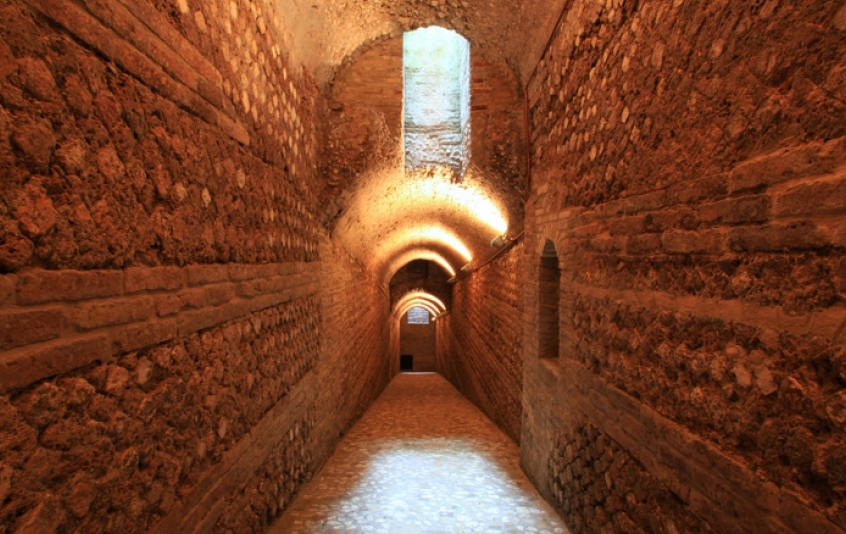

Nestled in the heart of Chieti, Italy, the Via Tecta presents a fascinating glimpse into the ancient world beneath the bustling streets of this historic city. Once a vital part of the city's infrastructure, this underground corridor is a testament to the engineering prowess of the Romans and the rich history of Chieti.
### History and Origins
The history of Chieti dates back to the 9th century BC, making it one of the oldest settlements in Italy. Originally known as Teate, it was an important center for the Marrucini, an ancient Italic tribe. The city flourished under Roman rule, particularly after its incorporation into the Roman Empire in 273 BC.
The Via Tecta itself is believed to have been constructed during this period, serving as a crucial conduit for both water management and transportation. This underground structure intersects with the ancient Via Valeria, which is now known as Corso Marrucino. The Via Tecta’s strategic design allowed it to control the flow of water from the network of aqueducts that fed the Roman baths, showcasing the advanced engineering techniques of the time.
### Art and Architecture
Architecturally, the Via Tecta is a splendid example of opus cementitium, an ancient Roman concrete method that has withstood the test of time. The corridor stretches 45 meters long and rises to a height of 4 meters, adorned with a series of barrel vaults that create a dramatic effect as one walks through its passage.
Visitors are often captivated by the intricate details of the vaults and the sheer scale of the structure. The craftsmanship reflects the artistry of Roman builders, who combined functionality with aesthetic appeal. The overall design serves not only as a passage but also as an impressive showcase of architectural innovation that influenced later Roman constructions.
### Local Culture and Traditions
Chieti is rich in traditions that celebrate its ancient roots. The city hosts the Giostra Cavalleresca, a medieval festival held every August, where knights in full armor engage in jousting tournaments. This event draws visitors from all over, eager to experience the medieval atmosphere complete with parades and traditional music.
Another significant cultural event is the Festa di San Giustino, celebrated in July to honor the city's patron saint. The festival features religious processions, local music, and delicious food stalls offering traditional dishes, creating a vibrant atmosphere that showcases the city's cultural heritage.
### Gastronomy
Chieti's culinary scene is as rich as its history, with local dishes that reflect the flavors of the Abruzzo region. One must-try delicacy is arrosticini, skewered lamb that is grilled to perfection, often enjoyed with a glass of local red wine such as Montepulciano d’Abruzzo. Another specialty is scrippelle 'mbusse, thin crepes served in a savory broth, a comforting dish perfect for any season.
For dessert, indulge in the pizzelle, traditional cookies that have a delicate texture and are often flavored with anise or vanilla, showcasing the local culinary traditions that have been passed down through generations.
### Lesser-Known Curiosities
While many visitors flock to the prominent landmarks of Chieti, few venture to explore the stories hidden within the Via Tecta. One surprising fact is that this underground corridor not only served practical purposes but also became a refuge during conflicts, providing shelter for citizens during times of war.
Moreover, the intricate system of tunnels beneath Chieti is often overlooked, but it is believed that they connect to other historical sites throughout the city, creating a network of ancient pathways that tell the story of Chieti's evolution through the ages.
### Practical Visitor Information
The best time to visit Chieti is during the spring and early autumn months when the weather is mild and ideal for exploring the city's historical sites. To fully appreciate the Via Tecta, consider joining a guided tour, as knowledgeable guides can provide deeper insights into its history and significance.
While in Chieti, be sure to take a leisurely stroll along Corso Marrucino to soak in the vibrant atmosphere and perhaps stop by the Palazzo de' Mayo, where the Via Tecta is located. Look out for the small details that may easily be missed, such as the ancient inscriptions and artifacts displayed within the palace.
As you traverse the ancient corridors and streets of Chieti, let the stories of the past guide your exploration. For a personalized adventure in this remarkable city, consider using the Secret World app to craft an itinerary that suits your interests.
