



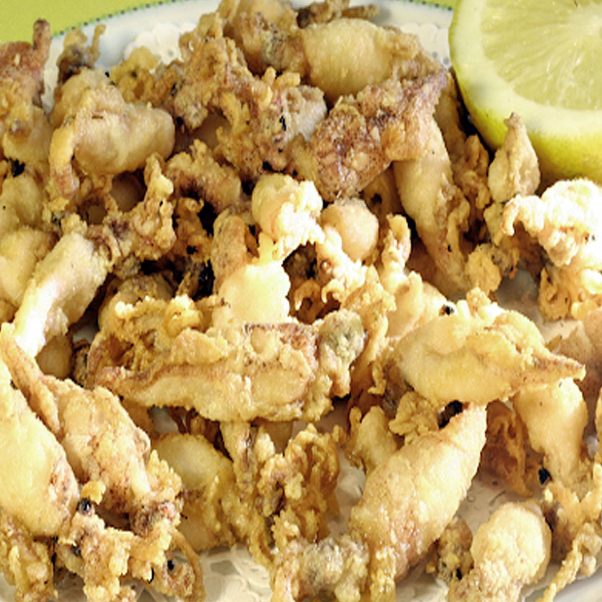
In the bustling heart of Barcelona, amid its vibrant streets and rich tapestry of history, the culinary delight known as chipirones emerges as a local treasure. These small, tender fried or grilled squids are much more than a dish; they are a testament to the city's deep-rooted maritime culture and its centuries-old love affair with the sea.
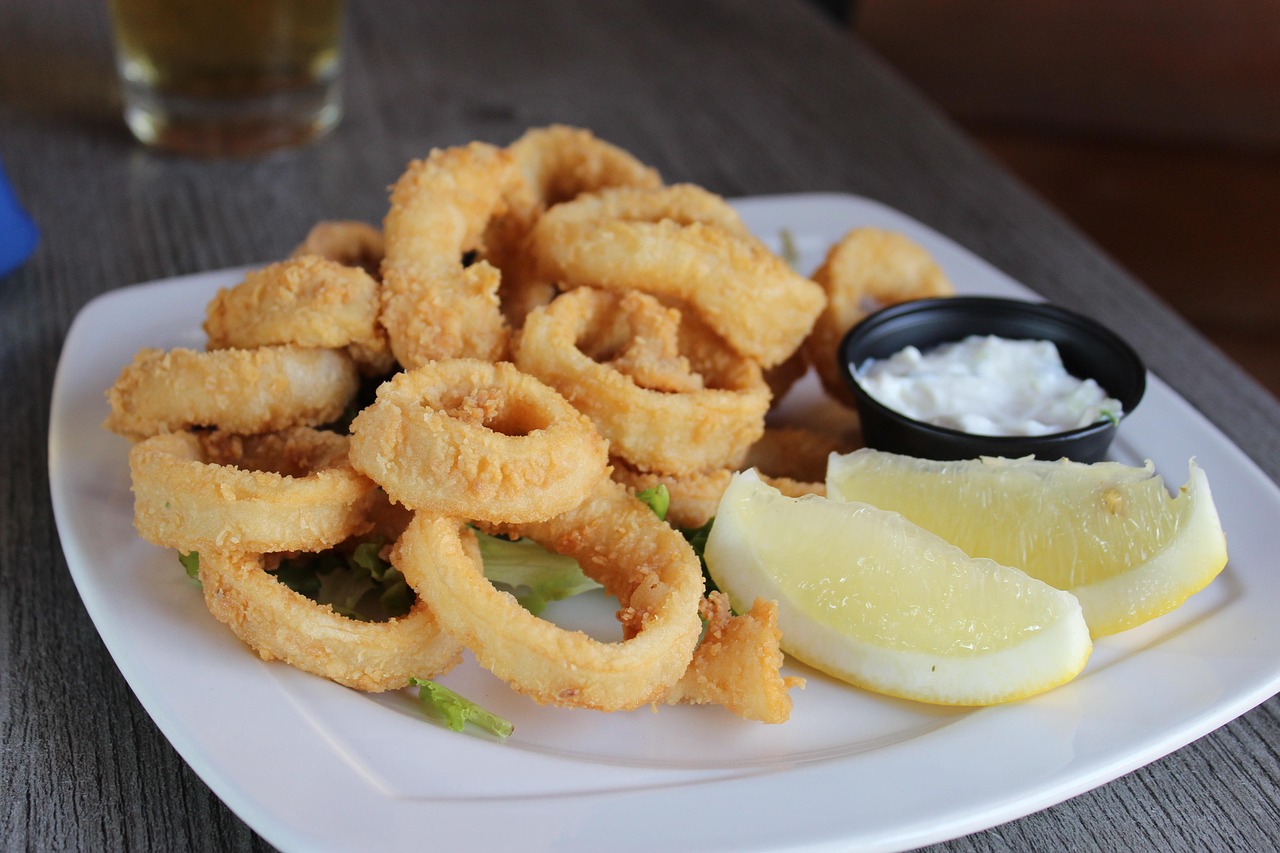
Barcelona's relationship with the sea dates back to its founding by the Romans in the 1st century BC. As a crucial Mediterranean port, the city burgeoned into a melting pot of cultures, each leaving an indelible mark on its culinary landscape. The squid, a bounty of the nearby waters, has been a staple in local diets for centuries, celebrated for its versatility and delicate flavor.
The city's architecture, much like its cuisine, is a blend of old and new, where Gothic cathedrals stand alongside the whimsical creations of Antoni Gaudí. The winding streets of the Gothic Quarter reveal ancient Roman walls and medieval palaces. Meanwhile, Gaudí’s masterpieces, such as the Sagrada Família and Park Güell, showcase a unique blend of natural forms and intricate mosaics, reflecting a city that embraces both tradition and innovation.
Barcelona's cultural calendar is rich with traditions that highlight its vibrant spirit. The Festa Major de Gràcia, held every August, sees the streets transformed with colorful decorations, music, and dance. The city's patron saint, La Mercè, is celebrated in September with human towers, known as castells, and a riot of fireworks. These festivals are a testament to the city's communal spirit and its penchant for celebration.
Gastronomy in Barcelona is a journey through Catalan flavors, where chipirones play a starring role. Typically served with a hint of garlic and lemon, these delicacies capture the essence of the Mediterranean. Other local staples include pa amb tomàquet (bread with tomato), botifarra (a type of sausage), and crema catalana, a sweet, creamy dessert that predates its French cousin, crème brûlée. Wash it all down with a glass of Cava, a sparkling wine produced in the nearby Penedès region.
Beyond the well-trodden paths of the city's culinary scene lie lesser-known curiosities. The Mercat de Sant Josep de la Boqueria, more commonly known as La Boqueria, offers a sensory overload of sights and smells. Here, amid the bustling stalls, you might encounter a local preparing chipirones, giving you a glimpse into the traditional methods that have been passed down through generations. Another hidden gem is the Bodega 1900, a nod to the old vermuterias of Barcelona, where you can sample chipirones alongside a refreshing vermut.
For those planning a visit, the best time to explore Barcelona is during the spring (April to June) or fall (September to November) when the weather is pleasantly mild, and the city pulsates with life. To truly experience the local culture, venture beyond the crowded streets of La Rambla. Wander through the El Born district, where narrow streets open up to quaint squares and artisanal shops, or explore the hip neighborhood of Poblenou, known for its street art and burgeoning food scene.
When indulging in chipirones, seek out the small, bustling tapas bars where locals gather. These spots often provide the most authentic experiences. Pair your meal with a local wine and embrace the relaxed pace of Catalan dining. Remember, the joy of chipirones is not just in the eating but in the shared experience of food as a communal celebration.
Barcelona, with its rich history, stunning architecture, and vibrant culture, offers a feast for the senses. Whether you're marveling at Gaudí's creations, celebrating with locals during a festival, or savoring the simple pleasure of chipirones, the city promises memories that linger long after your visit.
