

Nestled in the heart of Campagna, Italy, the Church of San Giovanni Battista stands as a testament to the historical and cultural richness of this quaint village. Built in 1550, its impressive architecture and artistic details reveal a layered history that speaks to the evolving styles of the Renaissance and Baroque periods. The façade, adorned with Doric pilasters and Baroque stuccoes, is a visual delight and an invitation to explore the sacred space within.

The church’s origins trace back to a time when Campagna was a significant settlement, thriving in agriculture and trade. San Giovanni Battista, the patron saint of the church, has been a pivotal figure in the community, symbolizing faith and resilience. Over the centuries, the church has witnessed countless events, including the solemnities dedicated to the saint on June 24, celebrated by the Confraternity of Monte dei Morti. This date marks the village's deep-rooted traditions and reverence for its spiritual heritage.
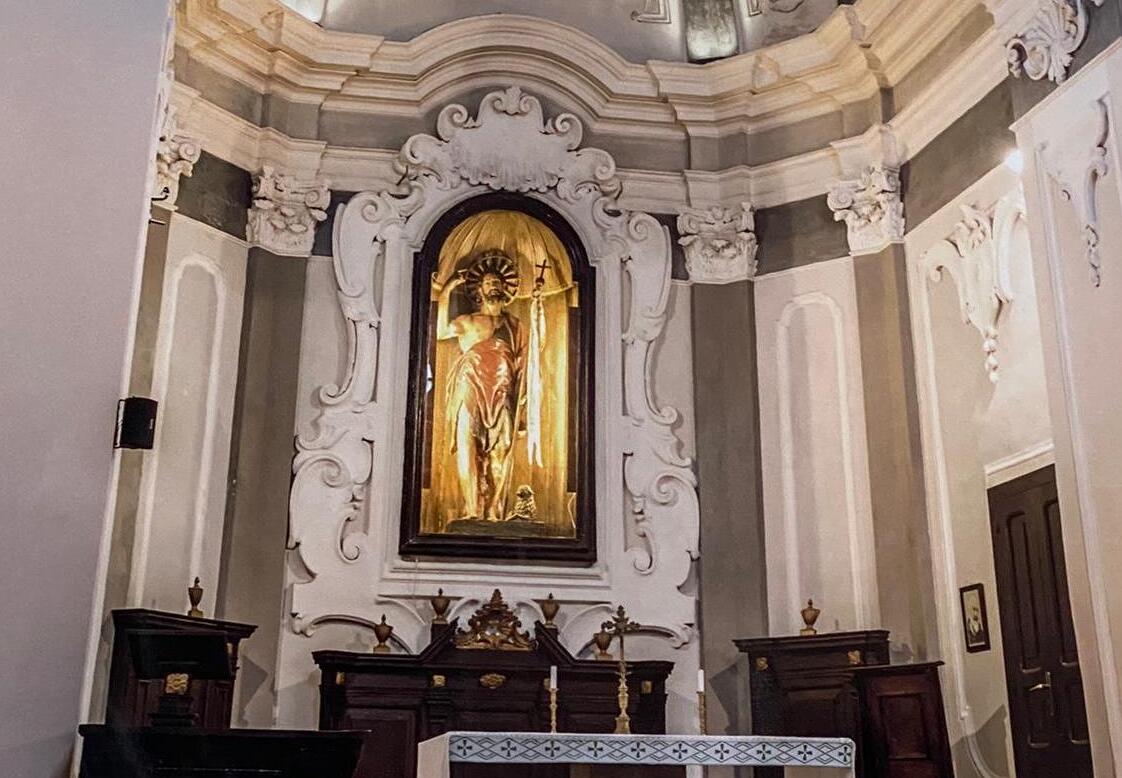
Architecturally, the Church of San Giovanni Battista is a harmonious blend of styles. The Mannerist façade, characterized by its four pilasters with semi-capitals, leads to a stunning second level decorated with Baroque stuccoes added in 1753. Inside, visitors are greeted with a modest yet enchanting interior dominated by a beautifully crafted dome. The dome is adorned with stucco work that mirrors the exterior, showcasing the craftsmanship of the era. Three symmetrical niches flanking the walls house statues of St. John the Baptist, St. Eligius, and St. Sophia, each telling its own story of faith and history.

Culturally, the Church of San Giovanni Battista is intertwined with the local customs of Campagna. The annual feast on June 24 not only honors the patron saint but also draws locals and visitors alike for a vibrant celebration filled with processions, traditional music, and communal feasting. These events highlight the village's rich cultural tapestry, where history and modernity coexist. The Blessed Virgin of Carmel is another significant figure in the local tradition, celebrated alongside St. John the Baptist, further emphasizing the church's role in the spiritual life of the community.
Food is an integral part of the cultural experience in Campagna. Visitors can savor traditional dishes such as cicoria e fagioli (chicory and beans), a staple that reflects the agricultural bounty of the region. Another local delicacy is the pizza di scarola, a savory pastry filled with escarole and olives, perfect for enjoying during festive gatherings. Accompanying these dishes, local wines from the Campania region provide a delightful pairing, enhancing the flavors of the meal and the experience.
Among the lesser-known curiosities surrounding the Church of San Giovanni Battista is its role as a gathering place for local artisans and craftsmen. Throughout the years, it has served as a backdrop for various cultural expressions, including art exhibitions and musical performances, making it not just a religious site but a cultural hub.
For those planning to visit, the best time to explore Campagna and its church is during late spring to early summer, particularly around the feast day of St. John the Baptist. This period offers a lively atmosphere, where the community comes together to celebrate, providing visitors an authentic glimpse into local life. When visiting, be sure to take a moment to admire the detailed stuccoes and the serene ambiance of the interior, which invites contemplation and reflection.
In conclusion, the Church of San Giovanni Battista is more than just a building; it is a vital part of Campagna’s identity, embodying centuries of history, art, and culture. To truly appreciate its significance, consider using the Secret World app to craft your personalized itinerary for exploring this enchanting village and its treasures.


