
🎄 Win a month in Italy for two — €10,000 · The Secret Italy Prize GO →
National Archaeological Museum of Eboli — Eboli
← Back
Art, Theaters and Museums 📍 Eboli, Italy 234 views

National Archaeological Museum of Eboli

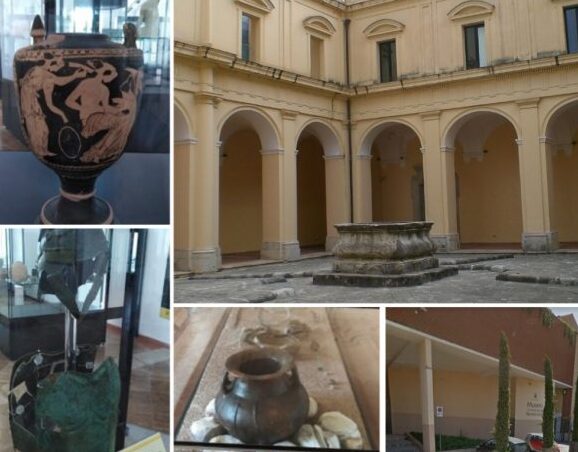
The National Archaeological Museum of Eboli and the middle Sele Valley, open to the public since March 2000, is located in the former convent of San Francesco, a monumental complex dating back to the 13th century and which was extensively remodelled during the 16th century. The e...

Photo · Ronda B.

National Archaeological Museum of Eboli — Eboli, Italy.

Location
Eboli
Type
Art, Theaters and Museums
Opening hours
Weather now
↗ Directions

About National Archaeological Museum of Eboli

National Archaeological Museum of Eboli - Eboli | Secret World Trip Planner

The National Archaeological Museum of Eboli and the middle Sele Valley, open to the public since March 2000, is located in the former convent of San Francesco, a monumental complex dating back to the 13th century and which was extensively remodelled during the 16th century.

National Archaeological Museum of Eboli - Eboli | Secret World Trip Planner

The exhibition, not yet completed in all sections, is organized according to chronological criteria. The first section is dedicated to the most ancient evidence from the Ebolitan territory: the evidence dating back to the Upper Neolithic is followed by the illustration of the tombs found in Madonna della Catena and dating back to the Eneolithic period (so-called "Gaudo" facies). Evidence relating to the Bronze Age documents the occupation of the hilly areas by small settlements linked to transhumance practices and open to contact with the outside world, as demonstrated, for the 11th century B.C., by the presence of Mycenaean-type ceramics.

The second section is dedicated to the exhibition of the rich funerary objects that, starting from the Iron Age, show a substantial continuity of occupation of the settlement of Eboli until the Roman Age, when Eboli (Eburum) took the status of municipium.

National Archaeological Museum of Eboli - Eboli | Secret World Trip Planner

In addition to the documentation relating to Eboli, the museum itinerary includes an example of the finds found in the town of Campagna and Oliveto Citra.

✦ Secret World · suggested day

A perfect day in Eboli

Start with National Archaeological Museum of Eboli, then continue with nearby places selected by Secret World.

  1. 01
    Morning
    National Archaeological Museum of Eboli
    📍 Eboli
    Start here
  2. 02
    Afternoon
    📍 0.2 km away
  3. 03
    Evening
    📍 5.6 km away

Collect this place

Turn places you discover into stamps in your Secret Passport.

Open Secret Passport →

Keep exploring · Eboli

Frequently Asked Questions

The museum is located in the former convent of San Francesco, a monumental complex originally built in the 13th century and extensively remodeled during the 16th century. This historic building adds architectural significance to your visit beyond the archaeological exhibits themselves.
The museum's exhibition is organized chronologically, spanning from the Upper Neolithic period through the Roman Age, when Eboli (Eburum) achieved the status of municipium. The collection includes evidence from the Eneolithic, Bronze Age, and Iron Age, documenting continuous settlement in the region.
Key highlights include Upper Neolithic evidence, funerary objects from the Eneolithic 'Gaudo' period found at Madonna della Catena, Mycenaean-type ceramics from the 11th century B.C., and rich Iron Age and Roman funerary objects. The museum also displays finds from nearby towns including Campagna and Oliveto Citra in the middle Sele Valley region.
The museum opened to the public in March 2000, making it a relatively modern museum installation. Note that the exhibition is not yet completed in all sections, so you may encounter ongoing development or additions to the displays.
The museum demonstrates that during the Bronze Age, small settlements occupied the hilly areas linked to transhumance practices and maintained contact with the outside world, as evidenced by Mycenaean-type ceramics from the 11th century B.C. The substantial continuity of occupation shown through funerary objects indicates Eboli was an important settlement from the Iron Age through the Roman period.

Experiences nearby · Eboli

Powered by Viator

See more on Viator.com

Secret World Hidden places, real stories — plan your trip
Get the app
