
Nestled in the historic heart of Avignon, the Church of St. Pierre stands as a magnificent testament to the city’s rich architectural and spiritual heritage. While its exterior boasts the Gothic style with soaring spires and intricate stonework, the interior reveals layers of artistic evolution, particularly from the Renaissance era.
### History and Origins The Church of St. Pierre has its roots deep in the medieval past, with its construction beginning in the late 14th century. Initially established to serve the local community, it was built during a time when Avignon was the center of the papal court, a period marked by cultural and artistic flourishing. The church was officially consecrated in 1405, making it one of the significant religious sites in the region.
Throughout its existence, the Church of St. Pierre has witnessed numerous historical events, including the tumultuous periods of the French Revolution, which led to the church’s temporary abandonment and subsequent restoration. Many local residents have celebrated important life events here, from baptisms to weddings, solidifying its role as a pillar of the community.
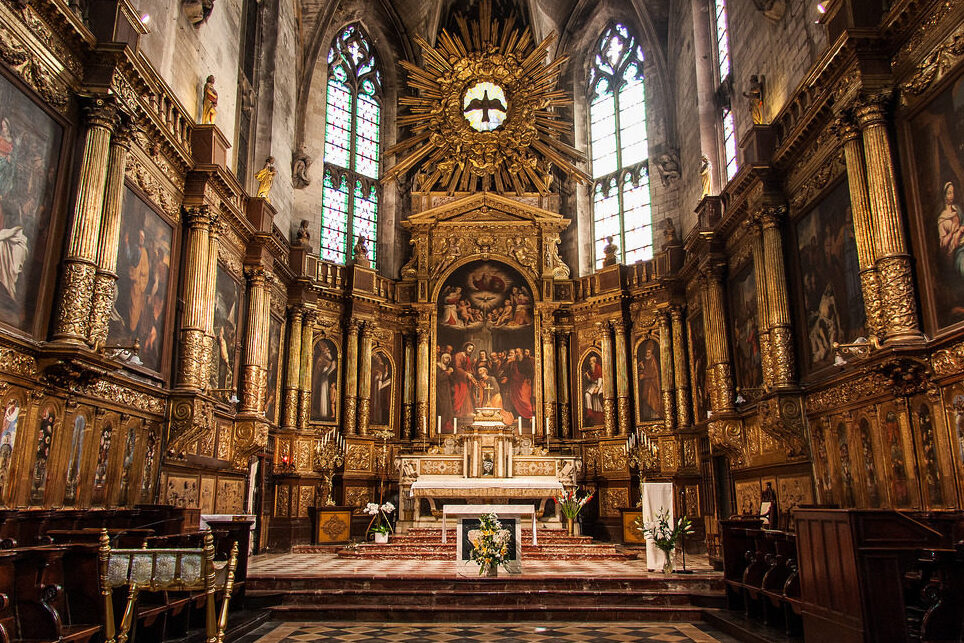
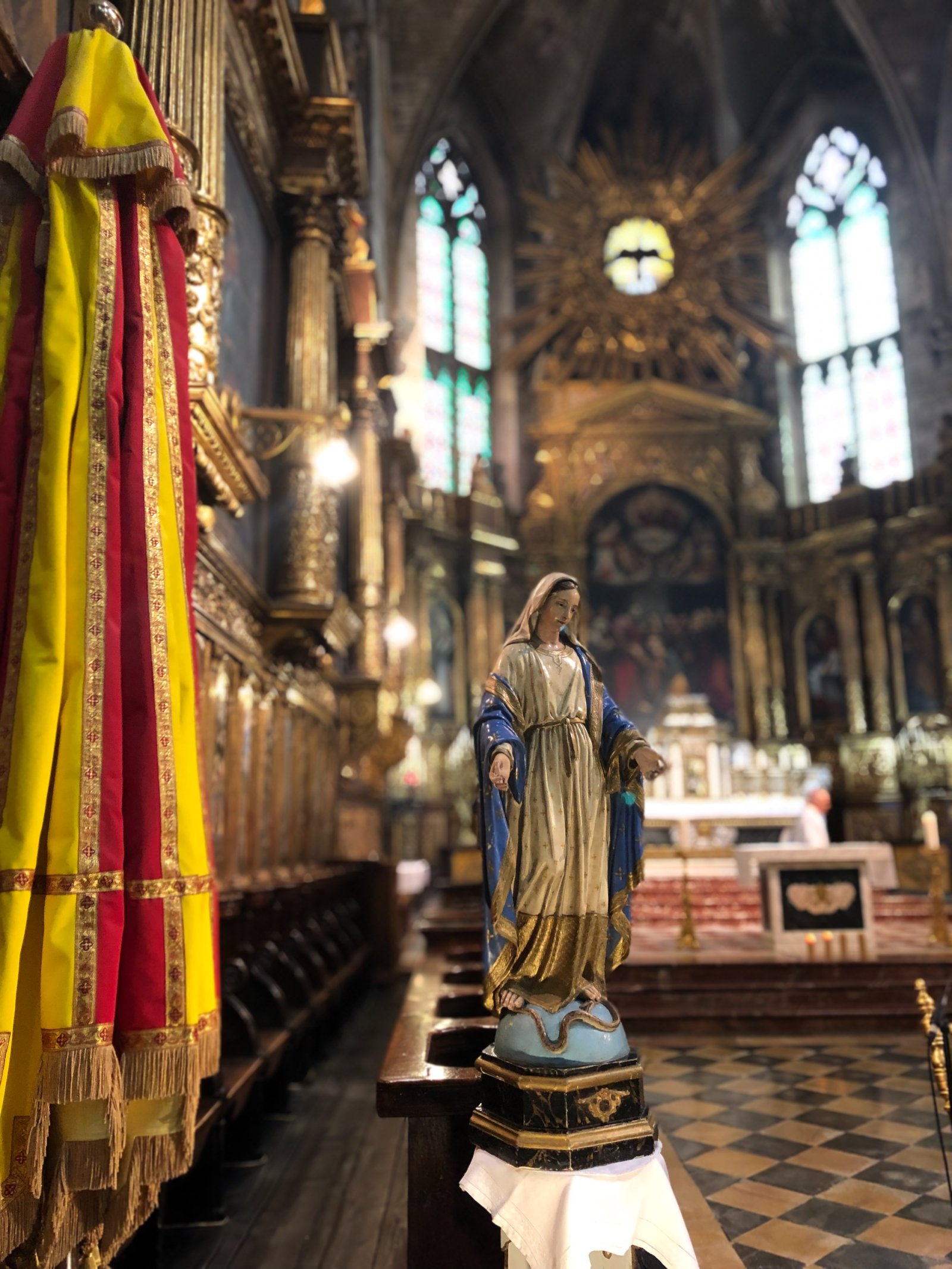
### Art and Architecture Externally, the Gothic façade of the Church of St. Pierre captivates visitors with its sharp lines and dramatic arches. However, it is the interior that dazzles the most. The highlight is undoubtedly the gold altar dedicated to St. Pierre (Saint Peter), an impressive creation that reflects the opulence of the Renaissance. The altar is adorned with intricate carvings and gilded details, drawing the eye immediately upon entry.
One of the most notable artworks within the church is “The Adoration of the Shepherds”, painted by the talented Simon de Châlons. This piece exemplifies the emotional depth and rich color palette typical of Renaissance art, showcasing the artist's ability to breathe life into biblical narratives.
The solid walnut doors further enhance the church’s character, crafted with precision and care, inviting visitors into a space steeped in centuries of worship and artistry.
### Local Culture and Traditions The Church of St. Pierre is not just a religious site; it is a cornerstone of local culture. Avignon is known for its vibrant festivals, and the church often plays a role in these celebrations. One such event is the Fête de la Saint-Pierre, held in late June, where locals gather to honor the patron saint with processions, music, and communal meals.
Additionally, the church’s proximity to the famous Palais des Papes means it is often included in guided tours, where stories of the past blend with modern-day traditions. The blending of historical reverence with contemporary customs creates a unique cultural tapestry that visitors can experience.
### Gastronomy Avignon is a culinary delight, and the area surrounding the Church of St. Pierre offers a taste of Provençal cuisine. Local specialties include ratatouille, a vegetable medley that embodies the flavors of the region, and tapenade, a savory spread made from olives, capers, and anchovies. Pair these with a glass of Côtes du Rhône wine, and you have a meal that reflects the local terroir. Don’t miss the chance to sample panisse, a chickpea fritter, often enjoyed as a snack in local cafés.
### Lesser-Known Curiosities While many tourists flock to the church for its stunning architecture and art, there are hidden gems worth exploring. One such detail is the church’s bell tower, which houses a unique set of bells that chime in a melody specific to Avignon. Additionally, the stained glass windows, often overlooked, depict scenes from the life of Saint Peter, offering a deeper understanding of the church's dedication.
Another intriguing aspect is the church’s significance as a site for local artists and musicians. It has hosted various cultural events, including art exhibitions and concerts, allowing visitors to engage with the local art scene.
### Practical Visitor Information The Church of St. Pierre is accessible year-round, but visiting during the spring or early autumn provides the best weather and fewer crowds. It is advisable to check the church’s schedule for any special events or services that may affect visiting hours.
When exploring the interior, take your time to admire the details of the altar and the artwork. Photography is often allowed, but be respectful of those in prayer. Consider joining a local guided tour to gain insights into the church’s history and significance.
In summary, the Church of St. Pierre is more than just a stunning piece of architecture; it is a vibrant hub of history, art, and community life in Avignon. For a personalized itinerary to explore this enchanting city and its hidden gems, consider using the Secret World app.
