
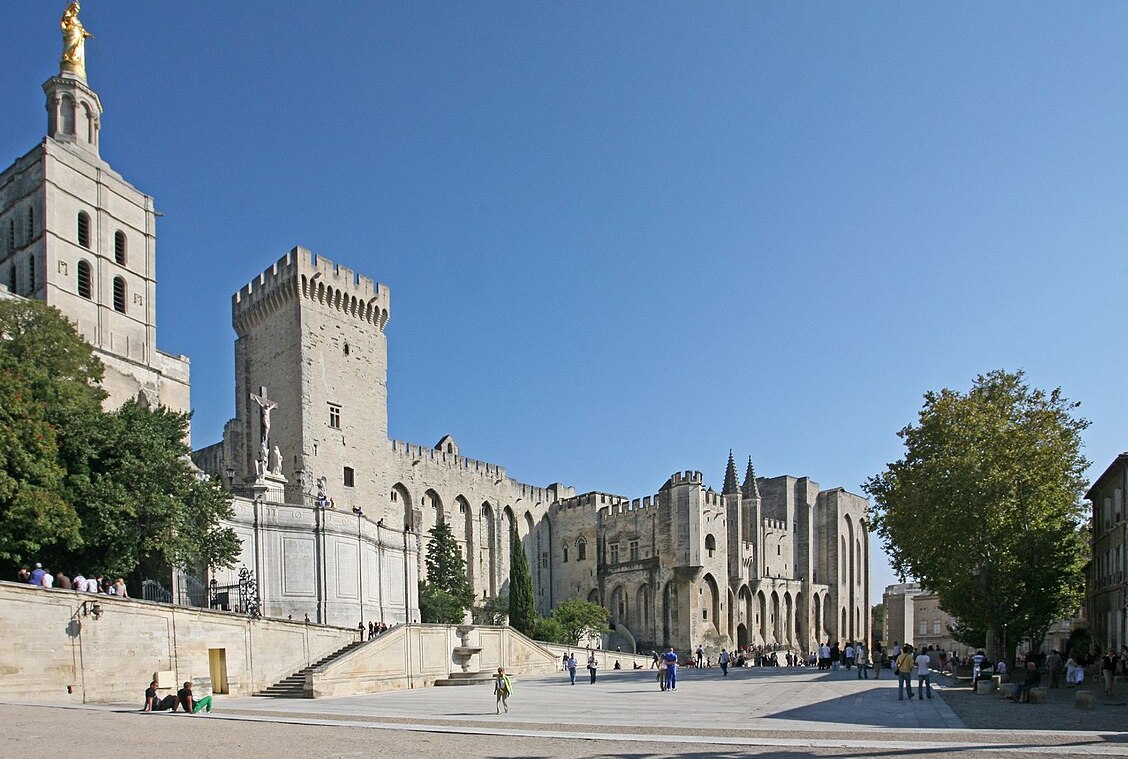

The Palace of the Popes in Avignon, France, stands as a monumental testament to the 14th-century papacy, a time when the Catholic Church sought refuge in this striking city. This fortress-like structure, more formidable than opulent, was primarily constructed between 1335 and 1364 to accommodate a succession of popes who relocated from Rome during a period of political turmoil. As the center of the papal court, it became a focal point for the church's authority, hosting numerous significant events and decisions that shaped Christian history.
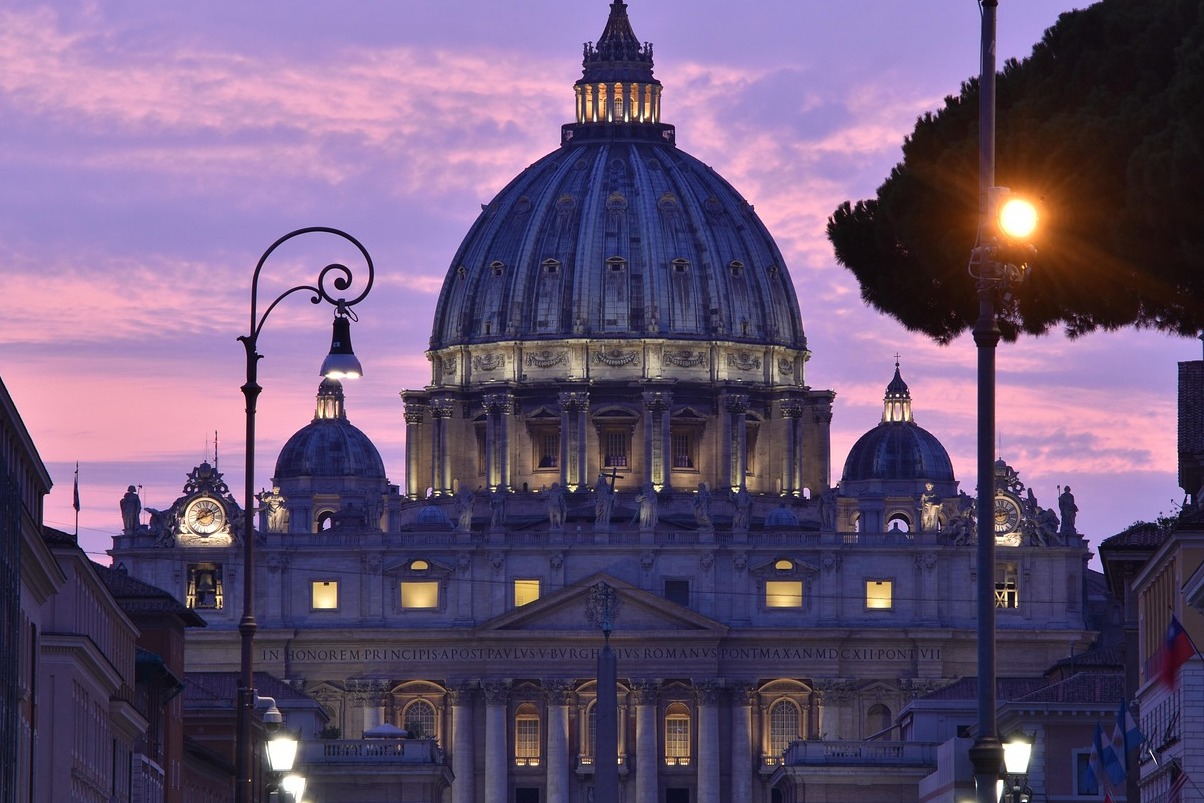
The architecture of the palace is a remarkable blend of Gothic grandeur and military fortification. The Old Palace, with its austere design, showcases thick walls and imposing towers, while the New Palace dazzles with ornate details and soaring arches. The interior is equally impressive, featuring stunning frescoes and chapels, such as the Chapel of the Virgin, adorned with magnificent artwork that reflects the spiritual fervor of the time. Among these artworks, the 'The Last Judgment', painted by Enguerrand Quarton, remains a highlight, illustrating the artistic significance of the palace as a cultural beacon during the Renaissance.
The local culture of Avignon is vibrant and deeply intertwined with its papal history. Every summer, the Avignon Festival, held in the square in front of the palace, transforms the area into a bustling hub of creativity and performance art, attracting artists and audiences from around the world. This festival is a celebration of the performing arts, where theatrical performances, dance, and music take center stage, reflecting the city's rich cultural tapestry.
In addition to its cultural events, Avignon is known for its gastronomy, which is a delicious reflection of the region’s heritage. Visitors can savor traditional dishes like ratatouille, a vegetable medley, and daube provençale, a rich beef stew infused with local herbs and wine. Pair these with a glass of Châteauneuf-du-Pape, a renowned wine from the nearby vineyards, to fully immerse yourself in the local flavors.
Delving into the lesser-known curiosities of the Palace of the Popes, one might discover the legends surrounding its construction. For example, it is said that the stone used for the palace was quarried from the nearby Mont Ventoux, a feat of engineering that speaks to the determination of the craftsmen of the time. Additionally, the palace's fortified towers were not merely for show; they served as a refuge during times of unrest, including the Great Western Schism when rival popes contested authority.
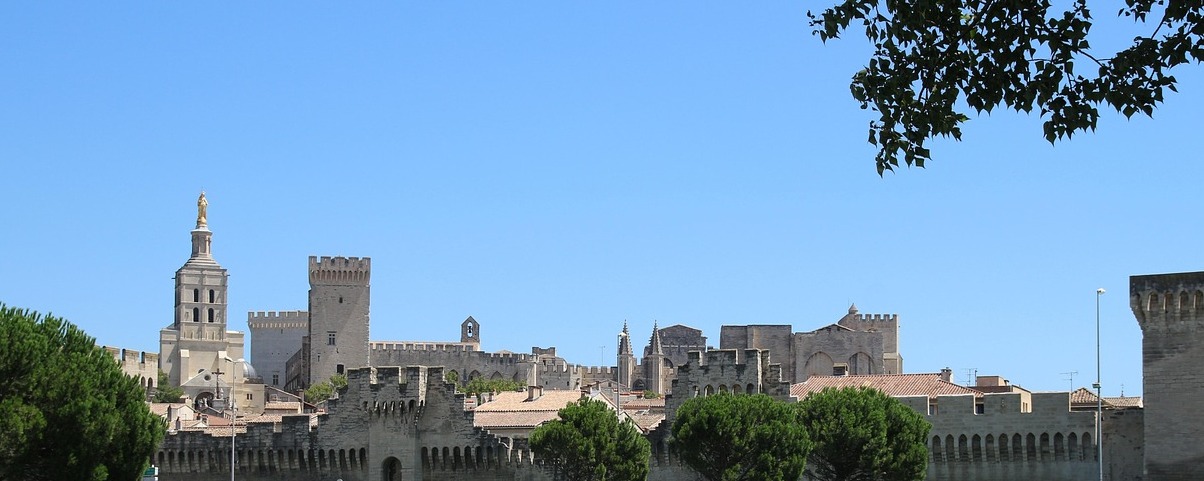
For those planning a visit, the best time to explore the Palace of the Popes is during the spring and early autumn months when the weather is mild, and the crowds are manageable. Be sure to allocate a few hours to wander through the vast halls, admire the intricate details, and even enjoy a guided tour, which can enhance your understanding of its historical significance. As you explore, don’t miss the panoramic views of Avignon from the palace ramparts, offering a stunning backdrop of the surrounding landscape.
To make the most of your visit, consider checking the official website for any special exhibitions or events that may coincide with your trip. You might also want to visit the nearby Pont Saint-Bénézet, a famous bridge that adds to the scenic beauty of Avignon.
The Palace of the Popes is not just an architectural marvel; it is a living piece of history that echoes with stories of power, faith, and culture. To navigate your journey through Avignon seamlessly, you might find it helpful to use the Secret World app, which can personalize your itinerary for an unforgettable experience.


