
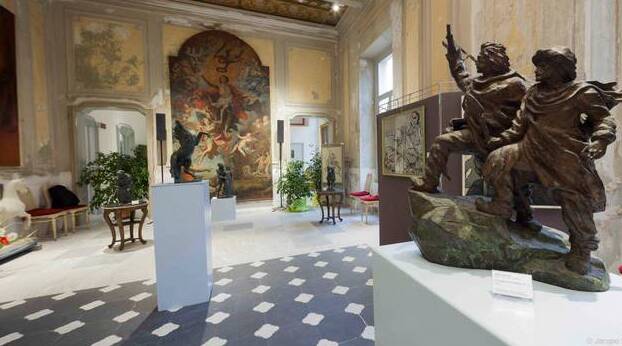

Nestled within the picturesque coastal town of Sanremo, the Civic Museum unfolds a fascinating narrative of the region’s rich history and vibrant culture. Housed in the striking Palazzo Nota, an 18th-century monument, the museum serves as a time capsule, preserving the essence of Sanremo from its prehistoric roots to its contemporary charm.
History and Origins The origins of Sanremo trace back to the Roman Empire, where it was known as "Sanctus Romulus," a small outpost. The area flourished under the influence of the Genoese, who established it as a strategic port in the 12th century. The Palazzo Nota, which now hosts the museum, was built in 1734 for the Nota family, who were prominent figures in local governance. Over the centuries, the palace has witnessed key historical events, including the rise of the Italian Riviera as a fashionable destination for European aristocracy in the 19th century.
The museum itself was officially established in 1992 to safeguard and showcase the cultural heritage of Sanremo. Its collections have grown to include artifacts spanning from prehistoric times to the modern era, providing visitors with a comprehensive understanding of the area’s historical significance.
Art and Architecture The architectural style of Palazzo Nota is emblematic of the Baroque era, characterized by ornate details and grandiose designs. The museum's interior is equally impressive, particularly the Salone del Consiglio Comunale on the second floor. This council hall features stunning 18th-century frescoes that depict scenes of local history and mythology, inviting visitors to lose themselves in the artistry of the past.
Beyond the council hall, the picture gallery showcases a remarkable collection of paintings and sculptures dating back to the 1600s. Noteworthy pieces include works by local artists and Italian masters, reflecting the artistic vibrancy of the region. The juxtaposition of ancient artifacts with modern multimedia exhibits creates an engaging experience, allowing visitors to explore Sanremo's cultural evolution interactively.
Local Culture and Traditions Sanremo is not just a museum town; it is a vibrant hub of local traditions and festivities. The annual Sanremo Music Festival, held every February, brings together music lovers from across the globe to celebrate Italian music and culture. This event is deeply rooted in the community, often featuring local artists alongside international stars, making it a pivotal moment in the cultural calendar.
Another fascinating tradition is the Flower Festival, celebrated in mid-February, which showcases Sanremo’s floral heritage. The city is known as the "City of Flowers," and the festival is marked by a vibrant parade featuring elaborate floats adorned with stunning floral arrangements.
Gastronomy No exploration of Sanremo would be complete without indulging in its culinary delights. The region's cuisine is heavily influenced by its coastal location, with an abundance of fresh seafood. Trofie al Pesto, a pasta dish made with local basil and pine nuts, is a must-try, showcasing the flavors of the Ligurian landscape.
Additionally, don’t miss the opportunity to sample Focaccia di Recco, a savory cheese-filled flatbread, and Pansoti, stuffed pasta served with walnut sauce, both of which reflect the local gastronomic heritage. Pair your meal with a glass of Vermentino or Pigato, two white wines that beautifully complement the region's seafood offerings.
Lesser-known Curiosities While many visitors flock to the renowned attractions, the Civic Museum holds lesser-known treasures waiting to be discovered. For instance, the museum features a collection of ancient Roman coins, some of which were unearthed from local archaeological sites. Another hidden gem is the historical library, which houses rare manuscripts and documents that provide insight into Sanremo's past.
Additionally, the museum occasionally hosts temporary exhibitions that highlight local artisans and contemporary artists, bridging the gap between history and modern creativity. These exhibitions are often overlooked but provide a rich context for understanding the ongoing artistic dialogue in Sanremo.
Practical Visitor Information The best time to visit the Civic Museum of Sanremo is during the spring and early autumn months when the weather is mild and the town is less crowded. Plan your visit on a weekday to enjoy a more intimate experience with the exhibits.
When exploring the museum, take advantage of the engaging multimedia tours that enhance your understanding of the displayed artifacts. Don’t forget to check the museum's schedule for special events or temporary exhibitions that might coincide with your visit.
As you wander through the halls of history at the Civic Museum, you’ll not only uncover the past of Sanremo but also feel the pulse of its vibrant present. For a personalized itinerary that helps you delve deeper into all that Sanremo has to offer, consider using the Secret World app to create your own unique exploration plan.


