
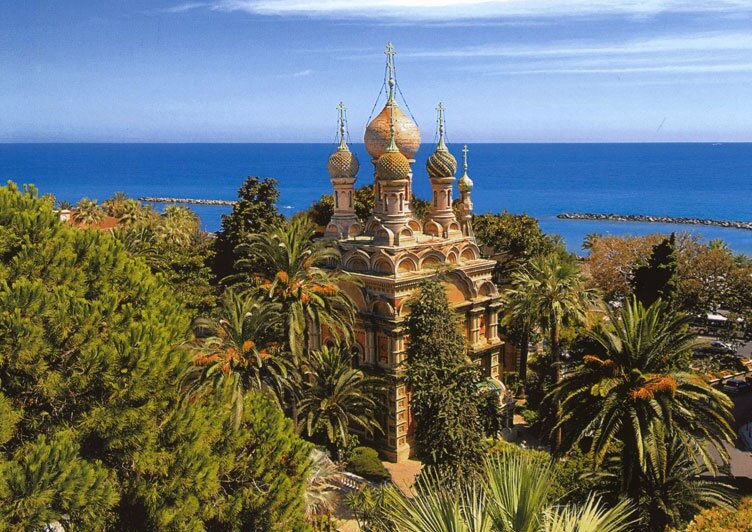

Nestled along the sun-kissed coastline of the Italian Riviera, the Russian Church of Sanremo stands as a striking testament to the city’s rich cultural tapestry. Constructed in 1912, this architectural gem emerged during a time when the Russian aristocracy flocked to Sanremo, turning it into a fashionable winter retreat. At its peak, the Russian community in the city swelled to about a thousand visitors, a remarkable number for a small seaside town. Today, the church remains one of Sanremo's most iconic symbols, captivating visitors with its unique blend of history, art, and spirituality.
The origins of the Russian Church are steeped in the social dynamics of the early 20th century. Tsarina Maria Alexandrovna, wife of Tsar Alexander III, played a pivotal role in establishing this spiritual sanctuary. The church was built to serve the needs of Russian expatriates and tourists who sought solace in the warm Italian climate. The architectural design, conceived by Nikolay Krasnov, reflects traditional Russian Orthodox style, characterized by its ornate onion domes and vibrant colors. This design not only serves a religious purpose but also acts as a cultural beacon, symbolizing the connections between Russia and Italy.
As you step into the church's courtyard, the first thing that captures your attention is the breathtaking architecture. The building features five golden domes, each symbolizing a significant aspect of the Orthodox faith. The exterior is adorned with intricate mosaics and frescoes depicting various saints, which further enhance its artistic significance. Inside, visitors are welcomed by richly decorated icons and religious artifacts, including a beautifully crafted altar that showcases the craftsmanship of Russian artisans. The church's art is not merely decorative; it embodies a deep spiritual narrative that resonates with both locals and tourists.
Beyond its architectural beauty, the Russian Church is woven into the local culture and traditions of Sanremo. The annual Sanremo Music Festival, one of Italy's most prestigious music events, often celebrates the diverse cultural influences that have permeated the region. The church itself has become a venue for various cultural activities, including concerts and art exhibitions, further solidifying its role as a cultural hub. Additionally, the church's presence has influenced local customs, with many residents incorporating Russian traditions into their own celebrations, especially during Orthodox holidays.
When it comes to gastronomy, Sanremo offers a delightful array of culinary experiences that reflect both its Italian roots and its Russian influences. The town is famous for its Farinata, a savory chickpea pancake, and Troffie al Pesto, a local pasta dish tossed in fresh basil pesto. However, during the winter months, one can find Russian delicacies like blini and pelmeni in local eateries, a nod to the historical ties between the two cultures. Pairing these dishes with a glass of Dolcetto, a local red wine, creates a memorable gastronomic journey.
For those keen on uncovering lesser-known curiosities, the Russian Church holds a few surprises. One intriguing aspect is the busts of Vittorio Emanuele III and Elena of Montenegro located within the church's courtyard. These sculptures serve as a reminder of the historical ties between Italy and Russia, especially during the early 20th century when royal families were closely intertwined. Additionally, the church's peaceful gardens are often overlooked by tourists, providing a serene retreat where one can reflect on the beauty of the surroundings.
If you plan to visit the Russian Church, the best time to go is during the spring and early autumn months when the weather is pleasantly mild, and the gardens are in full bloom. Weekdays tend to be less crowded than weekends, allowing for a more intimate experience. Don’t forget to look for the beautifully painted icons inside the church, which tell stories of faith and devotion.
In summary, the Russian Church of Sanremo is more than just a monument; it is a vibrant piece of living history that reflects the intertwined fates of cultures and communities. Its architectural splendor, artistic significance, and cultural importance make it a must-visit destination for anyone exploring the Italian Riviera. For a personalized journey through Sanremo’s hidden gems, consider using the Secret World app to craft your perfect itinerary.


