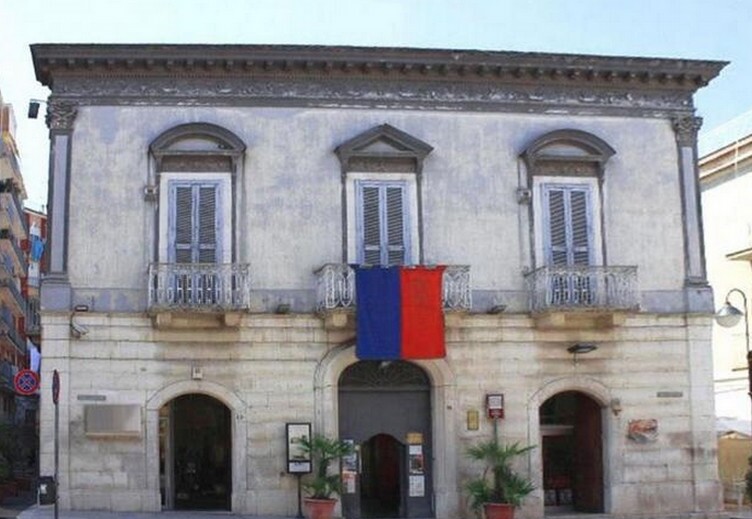

Nestled in the charming town of Canosa di Puglia, the Civic Archaeological Museum offers a profound glimpse into the ancient civilizations that once thrived in this captivating region of southern Italy. With its collection of around 2,000 archaeological finds, the museum charts a remarkable narrative spanning over 1,500 years, from the 6th century BC to the 10th century AD. The museum focuses primarily on artifacts excavated from Canosa and surrounding tombs, providing visitors with insights into the Daunian, Roman, Early Christian, and Byzantine-Medieval periods, among others. Each exhibit serves as a testament to the area's rich history, showcasing a variety of inscriptions, sculptures, bas-reliefs, marble, coins, jewelry, ceramics, and vases.
### History and Origins Canosa di Puglia has ancient roots that stretch back to the Bronze Age. Initially inhabited by the Daunians, the area later became an important Roman settlement. The museum itself was founded in the late 19th century as archaeological excavations began to reveal the buried treasures of Canosa. Notably, the tomb of the Ori contained significant Oriental treasures that, though now housed in the National Archaeological Museum of Taranto and scattered across Europe, underline the historical significance of Canosa as a cultural crossroads. The museum's collection illuminates key events and exchanges that shaped the region's identity, from ancient burial customs to the influence of different civilizations.
### Art and Architecture The Civic Archaeological Museum is housed in a striking building that reflects the architectural heritage of Puglia. Its design harmonizes with the local landscape, featuring elegant stonework and spacious exhibition halls that allow the artifacts to shine. Notable artworks include intricate bas-reliefs and sculptures that depict mythological scenes and daily life in antiquity. The museum is particularly celebrated for its funerary artifacts, which reveal insights into the spiritual beliefs of the people who once inhabited the area. The artistic significance of these pieces lies in their ability to connect visitors to the past, offering a tangible link to a rich tapestry of cultural history.
### Local Culture and Traditions Canosa di Puglia is not just about its ancient past; it is a living community that proudly celebrates its heritage through various customs and festivals. One of the most notable events is the Feast of Saint Sabinus, the town's patron saint, celebrated on August 30. This vibrant festival features a mix of religious processions, traditional music, and local delicacies, creating an immersive cultural experience for both locals and visitors. Additionally, the 'Festa della Madonna di Belvedere' in September offers a glimpse into the region's spiritual customs, showcasing the deep-rooted traditions that have endured through centuries.
### Gastronomy The culinary scene in Canosa di Puglia is a delightful exploration of local flavors. Traditional dishes often highlight fresh ingredients sourced from the surrounding countryside. Local specialties include orecchiette pasta, typically served with cime di rapa (broccoli rabe), and focaccia barese, a savory bread topped with tomatoes and olives. The region is also known for its wines, particularly the robust Nero di Troia, which pairs beautifully with the hearty local cuisine. Visitors can enjoy these dishes in charming trattorias that dot the town's streets, often accompanied by the warm hospitality of the locals.
### Lesser-Known Curiosities One fascinating aspect of Canosa di Puglia is its association with famous historical figures. The ancient city was reportedly a favorite of Emperor Augustus, who valued its strategic location. Additionally, the town is believed to have been home to the renowned Roman poet Virgil, adding literary depth to its historical narrative. While many visitors flock to the major attractions, few may know about the ancient underground aqueducts that provided water to the city, showcasing the engineering prowess of its early inhabitants.
### Practical Visitor Information The best time to visit the Civic Archaeological Museum of Canosa is during the spring or early autumn when the weather is mild, and the crowds are fewer. The museum is generally open year-round, but it’s wise to check for any special events or temporary exhibitions. When visiting, take your time to explore the various artifacts, paying special attention to the intricate details that tell stories of the past. Don't forget to engage with the knowledgeable staff who can provide deeper insights into the exhibits.
In conclusion, the Civic Archaeological Museum of Canosa is a treasure trove of history and culture, offering a unique window into the ancient world. To make the most of your visit and discover more hidden gems in Canosa di Puglia, consider using the Secret World app for a personalized AI itinerary.
