
🎄 Win a month in Italy for two — €10,000 · The Secret Italy Prize GO →
← Back

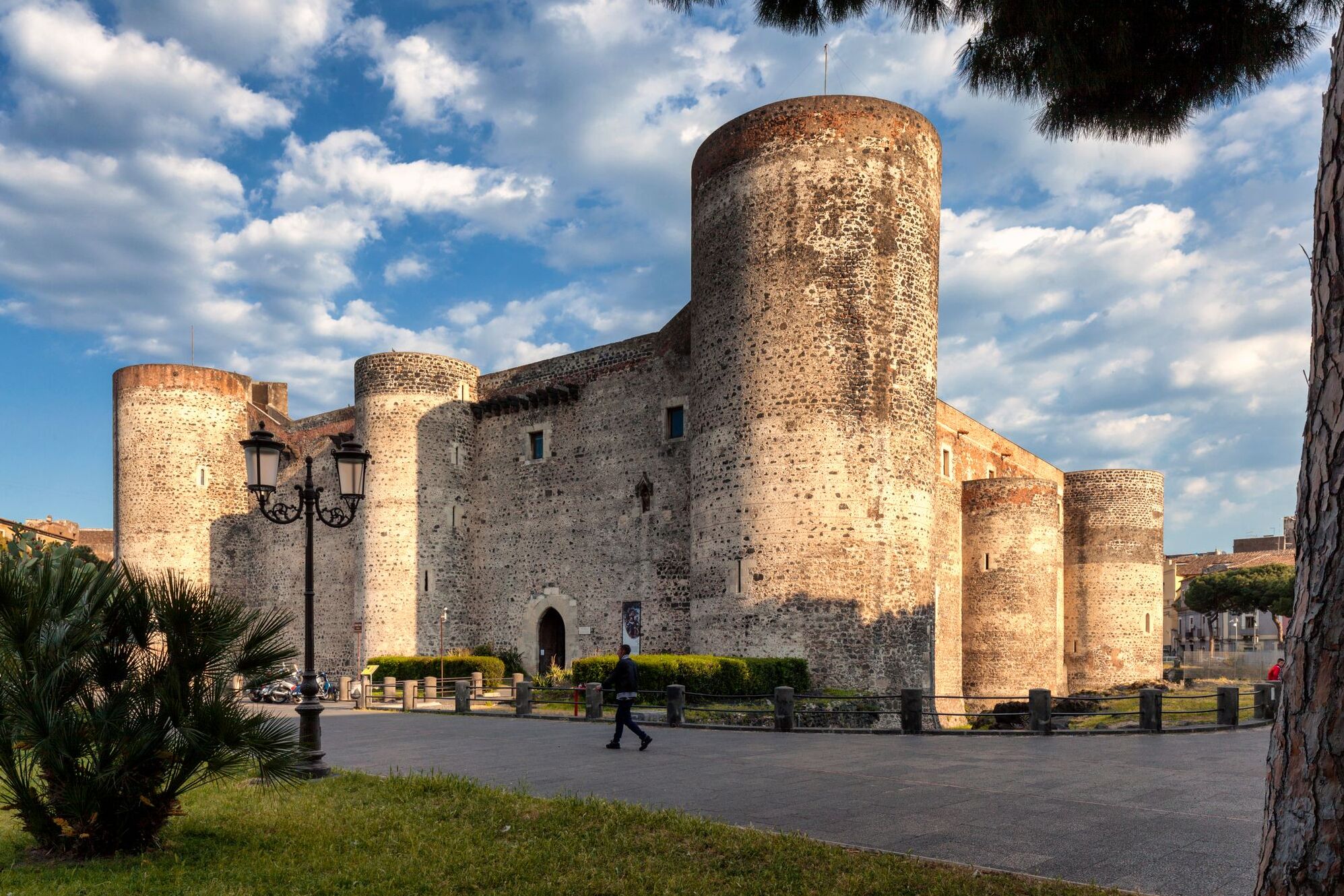
Civic Museum at Ursino Castle

Civic Museum at Ursino Castle — Catania, Italia.

Piazza Federico di Svevia, 1, 95121 Catania CT, Italia ★★★★☆ 403 views
Karen Blixen
Catania
🏆 AI Trip Planner 2026

Get the free app

Discover the best of Catania with Secret World — the AI trip planner with 1M+ destinations. Get personalized itineraries, hidden gems and local tips. Free on iOS & Android.

🧠 AI Itineraries 🎒 Trip Toolkit 🎮 KnowWhere Game 🎧 Audio Guides 📹 Videos
Scan to download iOS / Android
Scan for AppGallery Huawei users

About Civic Museum at Ursino Castle

Civic Museum at Ursino Castle - Catania | Secret World Trip Planner

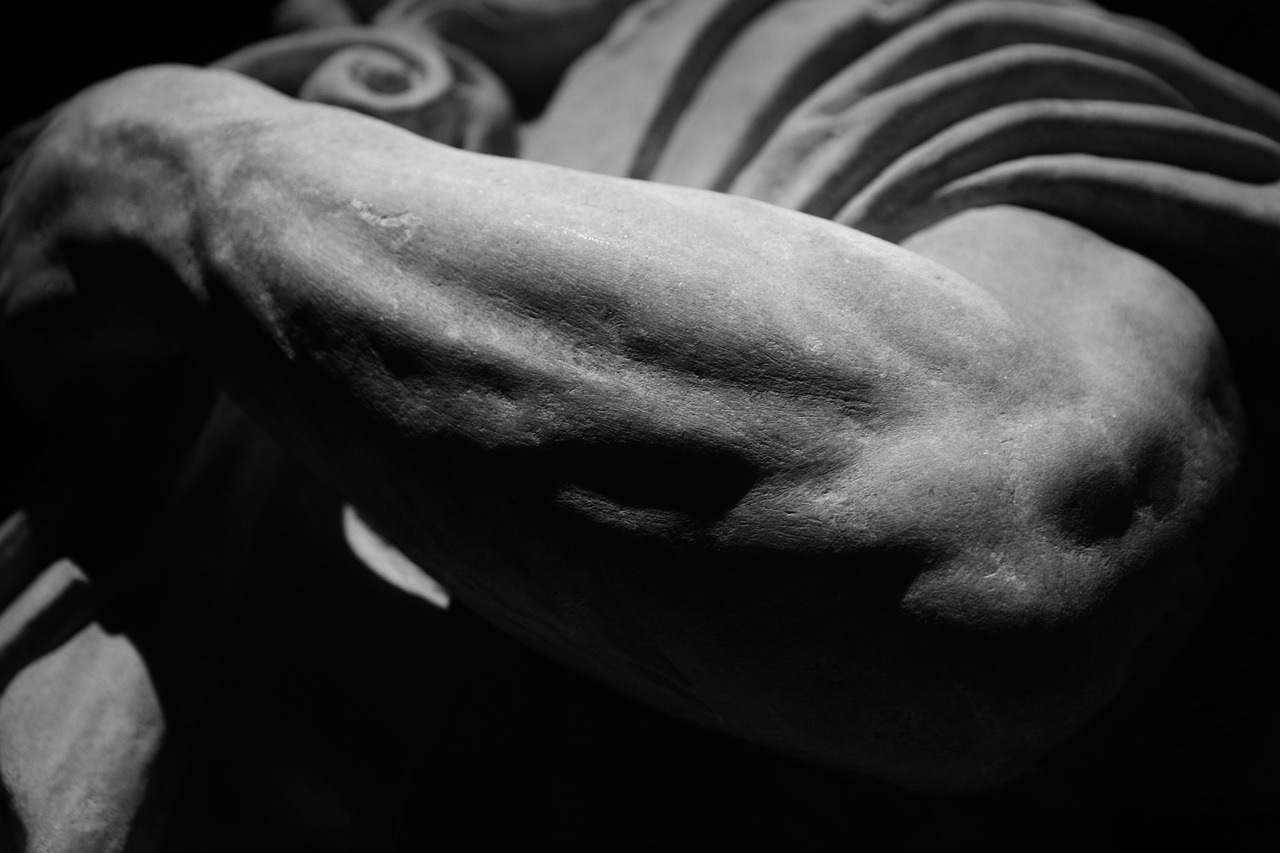
Civic Museum at Ursino Castle The reopening of the first floor of the museum (which took place in 1999) allows visitors to admire some of the sculptures from the Hellenistic and Roman periods, including the head of an Ephebe from the 6th century BC, found in the excavations of the ancient Leontinoi and belonged to Ignazio Paternò Castello (it is believed that it originally belonged to the acephalous Kouros exhibited at the Paolo Orsi Museum in Syracuse), the 3rd century statue of Hercules from the excavations of the Zappalà Palace in via A. di Sangiuliano in Catania, the monumental torso of Emperor Julius Claudius depicted as Jupiter. In addition, many decorative fragments from the Theatre and valuable floor mosaics from different parts of the city (an inviting " Vtere Feliciter" stands out on the others;, which was the entrance to the nymphaeum in Piazza Dante). Also of considerable importance (especially for the Sicilian historiography of the imperial age and for public functions) is the monumental cippus of Q. Atilius, called Cippo Carcaci, and the fragment of decoration (given its appearance, probably originally it must have been part of an historiated column) coming from the excavations near the Porta delli Canali (today Porta di Carlo V), both found in Catania.

Civic Museum at Ursino Castle - Catania | Secret World Trip Planner

Noteworthy are the two portals of the thirteenth and fifteenth century respectively. The latter located in the courtyard is an important document of the period in which the Castle was a prison, with the inscriptions (signatures, poems, drawings) engraved by the condemned on the jambs.

To finish a rich collection of Greek craters among which stands out a penthouse crater with drawings of Perseus beheading the Gorgon.
Civic Museum at Ursino Castle - Catania | Secret World Trip Planner
🗺 AI Trip Planner 2026 🎄 Win a month in Italy — €10,000 →

Plan your visit to Catania

Suggested itinerary near Civic Museum at Ursino Castle

MAJ+
500.000+ travelers worldwide
  1. 🌅
    Morning
    Civic Museum at Ursino Castle
    📍 Catania
  2. ☀️
    Afternoon
    Catania and the house museum Giovanni Verga
    📍 0.3 km · Catania
  3. 🌆
    Evening
    Treasure hunt: the Roman theater of Catania
    📍 0.4 km · Catania

Buy Unique Travel Experiences

Powered by Viator

See more on Viator.com

Explore nearby · Catania

Frequently Asked Questions

The museum's first floor displays impressive sculptures from the Hellenistic and Roman periods, including a 6th century BC head of an Ephebe from ancient Leontinoi, a 3rd century statue of Hercules, and a monumental torso of Emperor Julius Claudius depicted as Jupiter. You'll also find valuable floor mosaics from various parts of the city and a remarkable collection of Greek craters, including one depicting Perseus beheading the Gorgon.
The 15th century portal is an important historical document from when the Castle served as a prison, featuring inscriptions, signatures, poems, and drawings engraved by condemned prisoners on its jambs. These markings provide a poignant glimpse into the lives of those who were imprisoned there during that period.
The museum's first floor reopened in 1999 and showcases remarkable artifacts including decorative fragments from the Theatre and an inviting "Utere Feliciter" floor mosaic that originally marked the entrance to the nymphaeum in Piazza Dante. The collection also includes the monumental cippus of Q. Atilius, an important artifact for understanding Sicilian historiography during the imperial age.
The museum's collection comes from various archaeological excavations throughout Catania, including excavations of ancient Leontinoi, the Zappalà Palace on via A. di Sangiuliano, and sites near the historic Porta delli Canali (now Porta di Carlo V). Many pieces also come from theatrical sites and different neighborhoods across the city, making it a comprehensive collection of local heritage.
The museum features two notable portals dating from the thirteenth and fifteenth centuries that showcase medieval architecture and design. The 15th century portal in the courtyard is particularly worth examining, as it contains historical inscriptions and artwork left by prisoners, offering a unique window into the castle's past as a detention facility.
Secret World Hidden places, real stories — plan your trip
Get the app
