
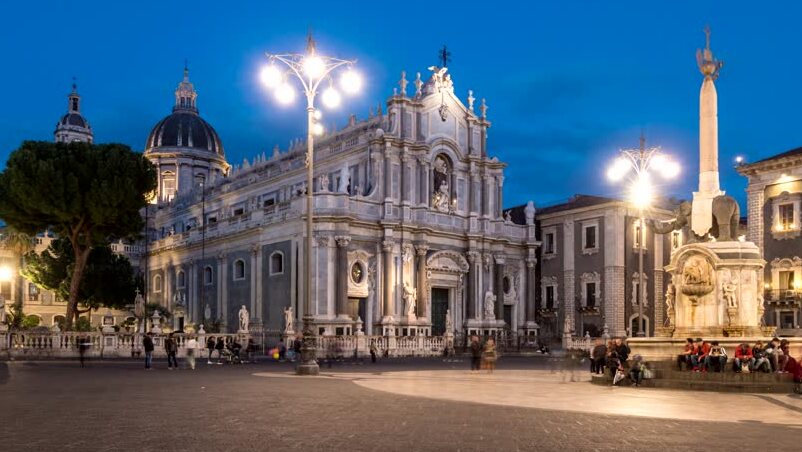

In the heart of Catania, Piazza Duomo is more than just a bustling square; it is a living testament to the city's resilience and rich history. Dominated by the majestic Catania Cathedral and the iconic Elephant Fountain, this piazza serves as a vibrant gathering place for locals and visitors alike, inviting you to delve into the stories etched into its stones.

The origins of Catania trace back to ancient times, with its founding believed to have occurred in the 8th century BC by Greek settlers from Chalcis. The city flourished under Roman rule, becoming a vital port and hub of commerce. However, it faced numerous trials, notably the devastating earthquake of 1693 that reduced much of the city to rubble. This catastrophe paved the way for a grand reconstruction led by architect Giovanni Battista Vaccarini, whose work established the Baroque style that characterizes Catania today.
One of the most captivating features of Piazza Duomo is the Elephant Fountain, or u liotru, which stands proudly at the center. Completed in 1736, the fountain is crafted from dark lava stone, a nod to the nearby Mount Etna, and features a charming elephant carrying an Egyptian obelisk. The elephant has become a symbol of Catania, embodying its unique connection to the volcanic landscape. Various legends surround this delightful creature, including tales of Eliodorus, a nobleman allegedly burnt at the stake for witchcraft, who supposedly crafted the elephant from lava to ride it to Constantinople. Another theory links the statue to an extinct species of dwarf elephant, intertwined with the myths of the Cyclops that populate the region. Perhaps the most accepted interpretation, however, is that the statue served as a talisman during the Carthaginian era—an emblem of protection against the eruptions of Etna.
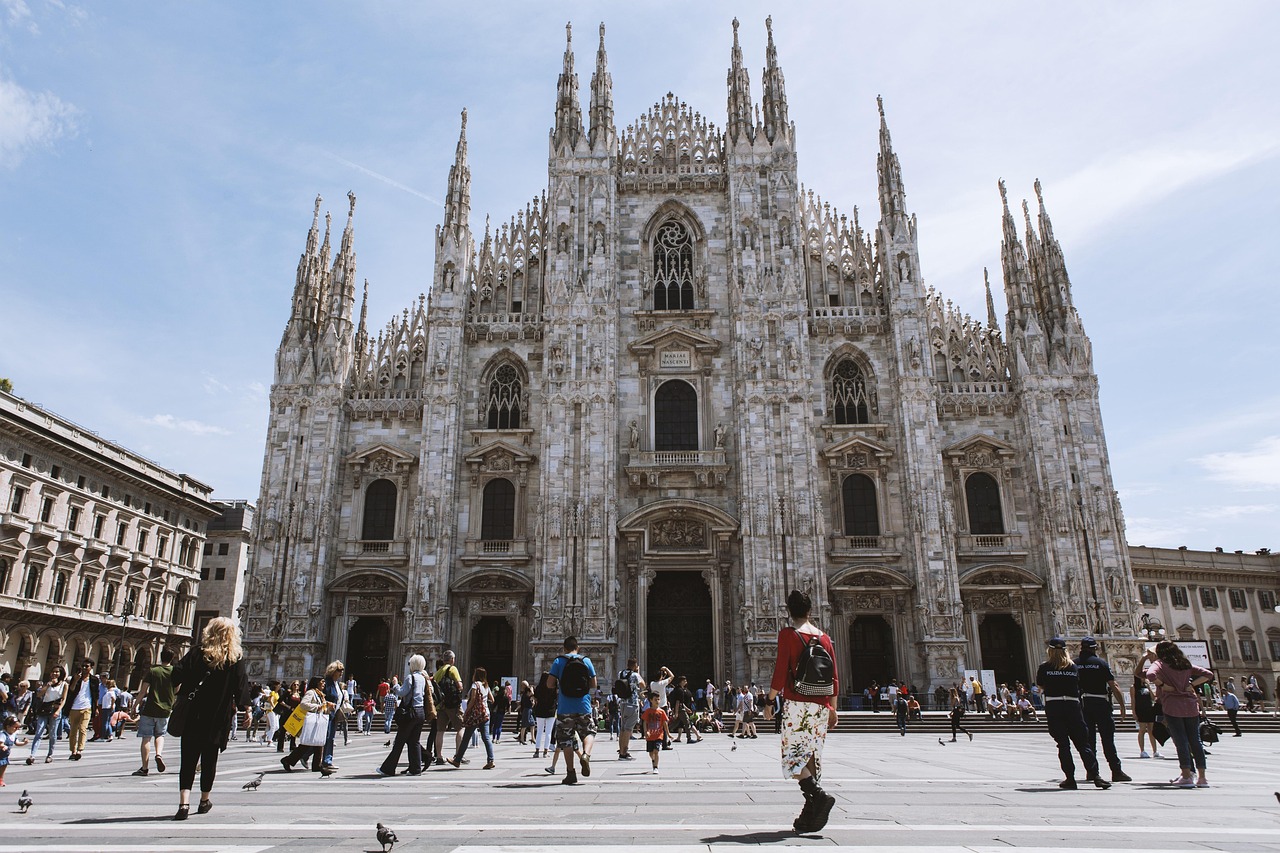
Architecturally, Piazza Duomo is a marvel. The Catania Cathedral, dedicated to Saint Agatha, is a Baroque masterpiece that showcases the city's artistic heritage. Its façade, adorned with intricate sculptures and a stunning dome, tells the story of resilience, having been rebuilt multiple times after fires and earthquakes. The cathedral houses the remains of Saint Agatha, the patron saint of Catania, whose feast day on February 5th is celebrated with fervor, illustrating the deep-seated reverence for local traditions.
Catania's culture is vibrant and multifaceted, shaped by a mixture of influences over centuries. The annual Festa di Sant'Agata is one of the city's most significant events, drawing thousands of pilgrims and tourists alike. The festival features a grand procession, with the saint's relics paraded through the streets, accompanied by music, fireworks, and traditional food stalls. This festival not only reflects the city's devotion but also serves as a reminder of its enduring spirit.
The local cuisine is a further testament to Catania's rich cultural tapestry. The cucina catanese features dishes that highlight the island's agricultural bounty and seafood. Be sure to try pasta alla Norma, a delicious blend of eggplant, tomatoes, and ricotta salata, which pays homage to the famous opera of the same name. Street food is equally tantalizing, with arancini (fried rice balls) and cipollina (a savory pastry filled with onions and tomato) being must-tries. Pair your meal with a glass of Etna Rosso, a red wine that captures the essence of the volcanic soil from which it hails.
While Piazza Duomo is a focal point for many visitors, there are hidden gems nearby that often go unnoticed. Just a short stroll away lies the Palazzo degli Elefanti, the city hall, which showcases beautiful frescoes and offers a glimpse into the political history of Catania. Additionally, venture to the Roman Theatre, a lesser-known site that dates back to the 2nd century AD, where you can walk among the ancient ruins that once hosted grand performances.
For those planning a visit, the best time to explore Catania is during the spring and fall when the weather is pleasantly mild. Early mornings or late afternoons offer the most enchanting light for photography, particularly against the backdrop of Mount Etna. Be sure to take a moment to sit in the piazza, absorb the lively atmosphere, and enjoy a gelato from one of the local vendors.
In conclusion, Piazza Duomo and the Elephant Fountain are not just landmarks; they are the heart and soul of Catania, embodying its rich history, cultural vibrancy, and culinary delights. For a truly personalized experience, consider using the Secret World app to craft your own itinerary and uncover the hidden treasures of Catania.


