
← Back

Classic Tapas: Albondigas, spanish meatballs

Granada, Provincia di Granada, Spagna ★★★★☆ 175 views
Sara hook
Granada
🏆 AI Trip Planner 2026

Get the free app

Discover the best of Granada with Secret World — the AI trip planner with 1M+ destinations. Get personalized itineraries, hidden gems and local tips. Free on iOS & Android.

🧠 AI Itineraries 🎒 Trip Toolkit 🎮 KnowWhere Game 🎧 Audio Guides 📹 Videos
Download on the App Store Get it on Google Play
Scan to download Scan to download
Classic Tapas: Albondigas, spanish meatballs - Granada | Secret World Trip Planner

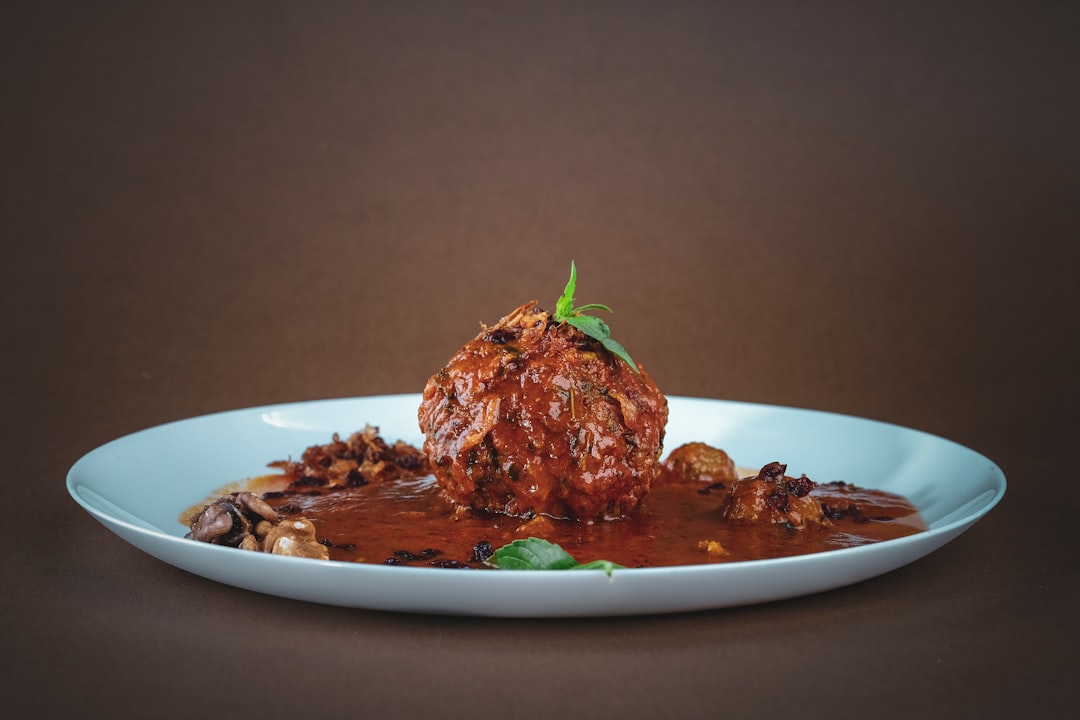
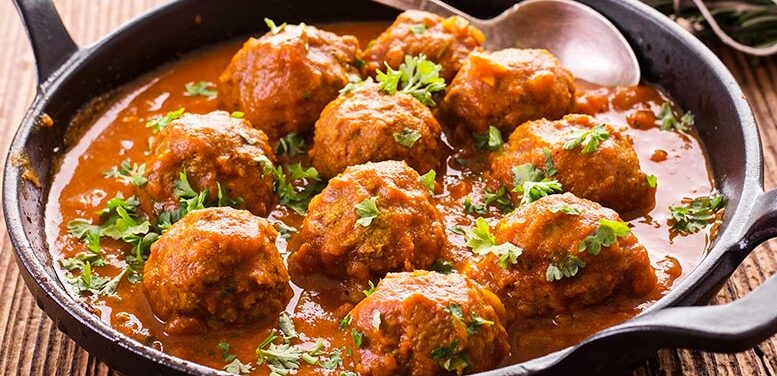
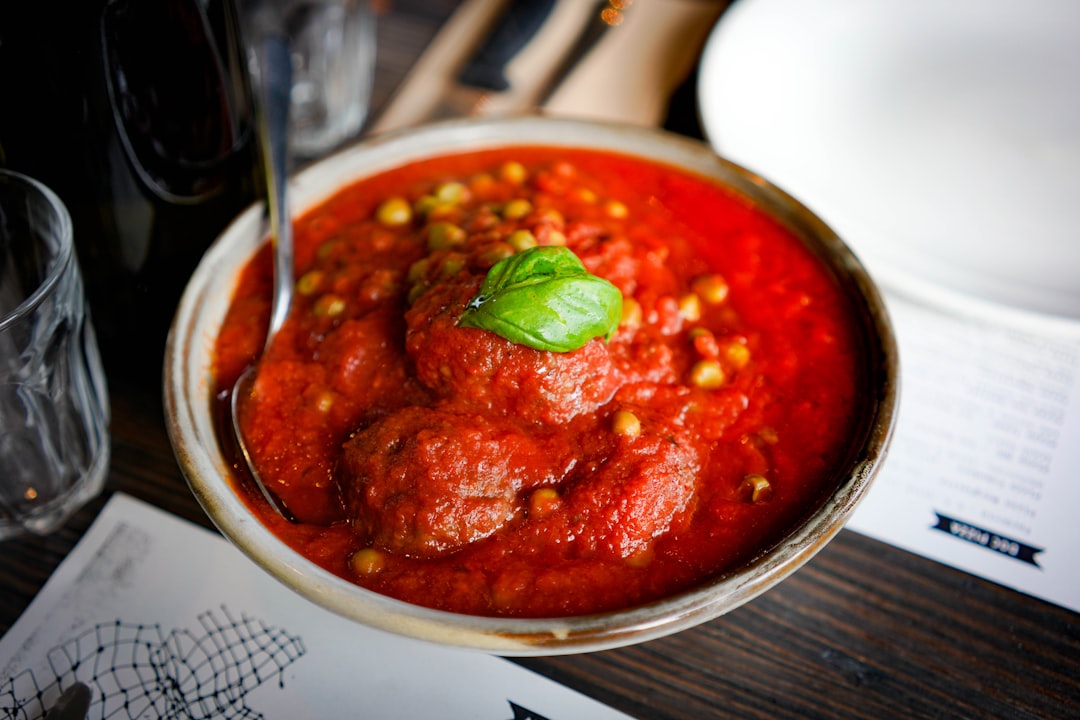
Nestled in the heart of southern Spain, Granada is a city that embodies the rich tapestry of Spanish history, architecture, and gastronomy. Among its many culinary delights, few dishes capture the essence of Spanish culture quite like albondigas, or meatballs in tomato sauce. These savory morsels have a history that intertwines with the very fabric of Spanish life, making them a staple of tapear (tapping) culture across the nation.

Classic Tapas: Albondigas, spanish meatballs - Granada | Secret World Trip Planner

### History and Origins

The origin of albondigas can be traced back to ancient civilizations, with influences stemming from the Romans and Moors who occupied the Iberian Peninsula. The name itself is derived from the Arabic word "al-bunduq," which means hazelnut, reflecting the size and shape of the meatballs. As the Moors introduced various spices and cooking techniques during their rule (711-1492), the concept of meatballs evolved, marrying local ingredients with new flavors.

Classic Tapas: Albondigas, spanish meatballs - Granada | Secret World Trip Planner

By the time Granada became a significant cultural center in the late Middle Ages, albondigas had firmly established themselves in the culinary landscape. They became popular among the local populace as a versatile dish, often made with leftover meats and spices, making them a practical choice during leaner times.

### Art and Architecture

Granada is a treasure trove of artistic expression, with architectural styles that range from intricate Moorish designs to Renaissance splendor. The jewel in its crown is the Alhambra, a UNESCO World Heritage site that showcases the exquisite craftsmanship of Islamic architecture. Its ornate tile work, delicate stucco, and lush gardens reflect a time when the city was a melting pot of cultures.

Notable artworks can also be found in the Cathedral of Granada, built in the 16th century, which features a stunning mix of Gothic and Baroque elements. The juxtaposition of these styles symbolizes the dynamic historical shifts within the city. Each corner of Granada tells a story through its architecture, much like the layers of flavor found in a perfect plate of albondigas.

### Local Culture and Traditions

The culture of Granada is vibrant and deeply rooted in tradition. The annual Fiesta de las Cruces, held in May, showcases local customs as people decorate crosses with flowers and celebrate with music, dance, and, of course, food. During this time, albondigas often make an appearance at gatherings, emphasizing their role in communal eating and social interaction.

Another significant event is Semana Santa (Holy Week), where elaborate processions wind through the streets, uniting the community in a blend of solemnity and festivity. Traditional dishes, including albondigas, are served to sustain the crowds, reinforcing the idea that food is central to both celebration and daily life.

### Gastronomy

When it comes to gastronomy, Granada offers a rich palette of flavors. Besides albondigas, visitors can indulge in other local specialties like tortilla española (Spanish omelet), piononos (sweet pastries), and jamón ibérico. The region's tapas culture is particularly noteworthy, as bars often serve free tapas with drinks, creating a lively social atmosphere.

A visit to Granada would be incomplete without trying the local vino de Granada, a wine that reflects the unique terroir of the region. Pairing these wines with albondigas enhances the dining experience, making it a quintessential part of any meal in this historic city.

### Lesser-known Curiosities

While many tourists flock to the famous sites, a few hidden gems remain off the beaten path. For instance, the Corral del Carbón, a 14th-century caravanserai, is a lesser-known architectural marvel that once served as a marketplace for traders. Today, it hosts cultural events and offers a glimpse into the city's mercantile past.

Another surprise awaits in the Cueva de las Maravillas (Cave of Wonders), located just outside Granada. These stunning caves are adorned with unique stalactite formations and provide an eerie yet beautiful contrast to the lively streets of the city. It's a perfect spot for those seeking a blend of adventure and cultural exploration.

### Practical Visitor Information

The best time to visit Granada is during spring (March to June) or fall (September to November) when the weather is mild and the city is less crowded. To fully appreciate the culinary landscape, consider joining a food tour that features local markets, traditional cooking classes, and tastings of albondigas paired with regional wines.

When exploring Granada, don’t forget to venture into the Albaicín, the historic Moorish quarter, where narrow winding streets lead to stunning views of the Alhambra. Look for local taverns that serve authentic albondigas, often made with family recipes passed down through generations.

Incorporating a variety of experiences—from culinary delights to architectural wonders—ensures that your journey through Granada is both enriching and unforgettable.

As you explore the city's vibrant culture and cuisine, consider using the Secret World app to craft a personalized AI itinerary tailored to your interests in Granada.

🗺 AI Trip Planner

Plan your visit to Granada

Suggested itinerary near Classic Tapas: Albondigas, spanish meatballs

MAJ+
500.000+ travelers worldwide
  1. 🌅
    Morning
    Classic Tapas: Albondigas, spanish meatballs
    📍 Granada
  2. ☀️
    Afternoon
    How to Plan Granada with AI 2026: Complete Guide
    📍 0 km da Granada
  3. 🌆
    Evening
    Church of Santa Ana in Granada
    📍 0.4 km da Granada

Buy Unique Travel Experiences

Powered by Viator

See more on Viator.com

Explore nearby · Granada

Frequently Asked Questions

The word 'albondigas' is derived from the Arabic word 'al-bunduq,' which means hazelnut, reflecting the size and shape of the meatballs. This etymology reflects Granada's rich Moorish heritage, as the Moors who occupied the Iberian Peninsula from 711-1492 introduced the dish along with various spices and cooking techniques that shaped Spanish culinary traditions.
Albondigas became a staple of Spanish tapear (tapping) culture and were particularly popular in Granada as a versatile, practical dish made with leftover meats and spices during leaner times. By the late Middle Ages, when Granada was a significant cultural center, albondigas had firmly established themselves in the local culinary landscape as a dish that embodied the city's diverse cultural influences.
The Cathedral of Granada, built in the 16th century, is a must-see featuring a stunning mix of Gothic and Baroque elements that symbolize the city's dynamic historical shifts. This architectural gem complements the Alhambra, a UNESCO World Heritage site showcasing exquisite Islamic architecture with ornate tile work, delicate stucco, and lush gardens.
The Moors who ruled the Iberian Peninsula from 711-1492 introduced various spices and innovative cooking techniques that evolved the concept of meatballs, marrying local ingredients with new flavors. This cultural exchange directly led to the development of albondigas as we know them today, making them a delicious testament to Granada's multicultural heritage.
Granada is a city that embodies the rich tapestry of Spanish history, architecture, and gastronomy, with dishes like albondigas reflecting centuries of cultural intertwining from Roman and Moorish influences. The city's architectural landmarks, from the intricate Moorish Alhambra to Renaissance structures, combined with its authentic culinary traditions, make it an ideal destination for understanding Spanish culture in its full complexity.