
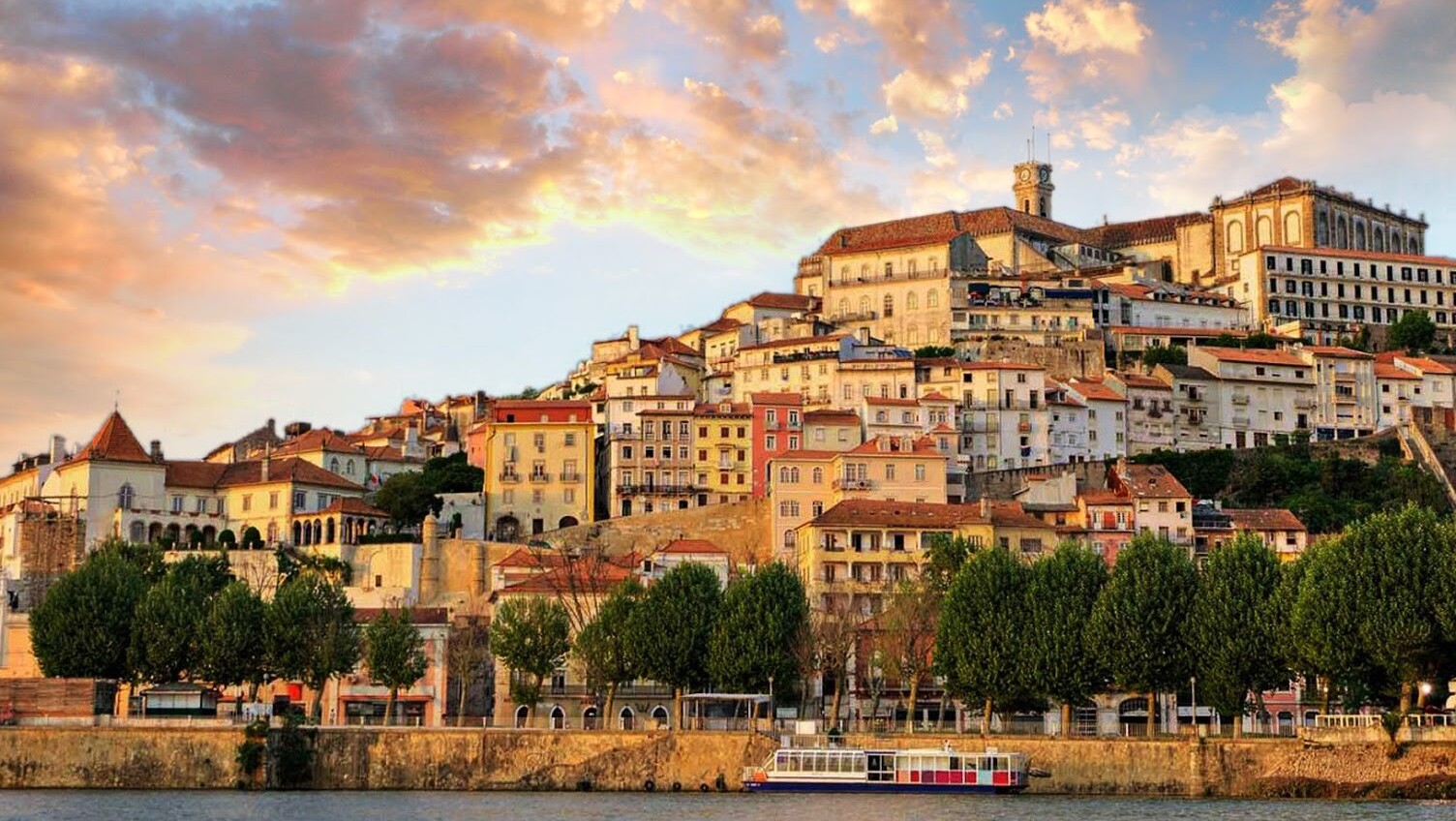

Nestled along the banks of the Mondego River, Coimbra stands as a captivating testament to Portugal's rich history, culture, and academic legacy. Once the capital of Portugal, this ancient city weaves together centuries of tradition and modern vibrancy, making it a destination that enchants every visitor.
History and Origins
The roots of Coimbra stretch back to the Roman era, when it was known as Aeminium. Its strategic location along the river made it a vital trade center. By the 12th century, Coimbra emerged as the capital of Portugal under King Afonso I, solidifying its importance during the early formation of the nation. The city witnessed significant events, including the Reconquista, when Christian forces reclaimed territory from the Moors. In 1290, King Dinis established the University of Coimbra, the oldest university in Portugal and one of the oldest in Europe. This institution would shape the city’s identity, fostering a culture of scholarship and intellectual pursuit that endures to this day.
Art and Architecture
Coimbra is a showcase of architectural styles ranging from Romanesque to Gothic, Baroque, and Neoclassical. The University of Coimbra itself is a monumental complex that includes the stunning Joanina Library, a Baroque masterpiece completed in the 18th century, known for its intricate woodwork and vast collection of rare books. The Santa Cruz Monastery, founded in 1131, is another architectural gem, where the tombs of Portugal's first kings lie, adorned with exquisite Manueline details. Visitors should not miss the Old Cathedral (Sé Velha), a Romanesque structure that embodies the strength and endurance of the city’s past. The blend of historical and modern architecture is epitomized in the Pedro e Inês Bridge, a pedestrian crossing that connects the city’s historic charm with contemporary design.
Local Culture and Traditions
Coimbra is a city steeped in traditions, many of which revolve around its university. The Praxe, a series of rituals that dictate student life, is a unique cultural phenomenon where older students mentor newcomers, fostering a sense of community and nostalgia. Festivals like Queima das Fitas, held in May, celebrate the end of the academic year with parades, music, and colorful processions, drawing both locals and tourists into a lively atmosphere. The city’s streets often resonate with the sounds of fado, a traditional genre of music characterized by its mournful tunes and lyrics, reflecting the soul of Coimbra.
Gastronomy
The culinary landscape of Coimbra is rich and diverse, offering a taste of both traditional and contemporary Portuguese cuisine. One must try the Chanfana, a slow-cooked goat dish traditionally prepared for special occasions. Another local favorite is Leitão da Bairrada, a succulent roasted piglet, often served at celebrations. Don’t miss sampling Pastéis de Santa Clara, a sweet pastry filled with almond cream and a hint of cinnamon, originally made by nuns at the Santa Clara-a-Velha Monastery. Pair these dishes with a glass of Dão wine, a robust red that complements the rich flavors of the local cuisine.
Lesser-Known Curiosities
Beyond its well-trodden paths, Coimbra hides intriguing stories and curiosities. Did you know that the University of Coimbra was initially located in Lisbon before it moved to Coimbra in 1308? Also, the famous quote, "Coimbra has more charm in the hour of farewell," reflects the bittersweet feelings of students leaving the city, a sentiment that resonates deeply with both locals and visitors alike. If you explore the Botanical Garden, you might stumble upon the ancient Cedar of Lebanon, a tree that has stood for centuries and offers a serene escape from the bustling city.
Practical Visitor Information
The best time to visit Coimbra is during spring (April to June) and early autumn (September to October), when the weather is mild, and the city is less crowded. Be sure to take a leisurely stroll along the Parque Verde do Mondego, where you can enjoy picturesque views of the river and the cityscape. For a unique perspective, consider taking a boat tour on the Mondego. When wandering through the narrow, cobbled streets of the old town, look for the University’s clock tower, which offers panoramic views of the city.
In Coimbra, history and modernity coexist beautifully, creating a rich tapestry of experiences. With its academic roots, vibrant culture, and delicious cuisine, the city promises memories that linger long after your visit. To navigate this enchanting destination and tailor your journey, you might find the Secret World app helpful for planning a personalized itinerary.


