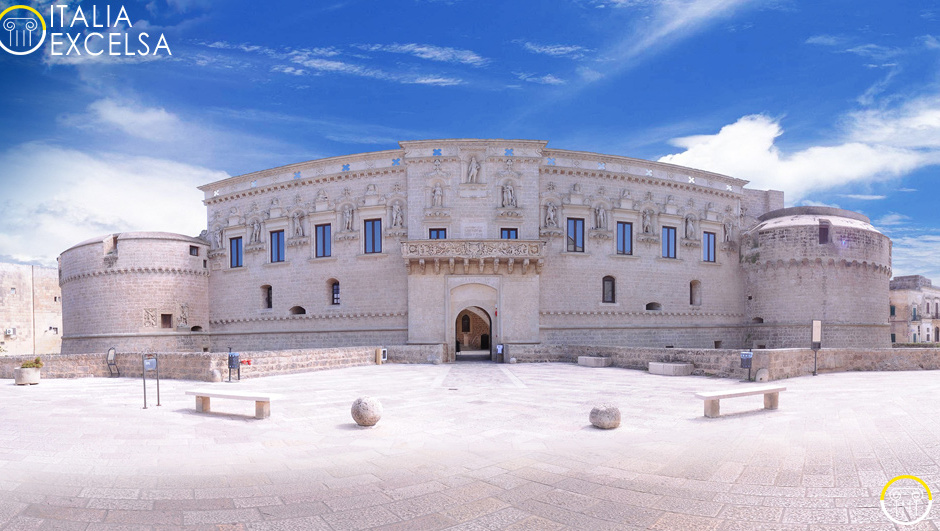

Nestled in the heart of Grecìa Salentina, Corigliano d'Otranto emerges as a hidden gem, cradled between the rolling hills and sun-drenched plains of southern Italy. This captivating village, steeped in history and culture, beckons travelers who seek a glimpse into a bygone era while immersing themselves in a vibrant local tapestry. As you stroll along its cobblestone streets, the whispers of ancient Greek resonate, echoing through the dialect of griko still spoken by some of its residents.
### History and Origins
The origins of Corigliano d'Otranto date back to the Byzantine era, around the 8th century, when Greek settlers began to establish roots in this fertile region. The village’s name is derived from the Greek word "korion," meaning "little place," reflecting its humble beginnings. Over the centuries, Corigliano witnessed numerous historical events, including the Norman conquest in the 11th century, which led to significant architectural developments, particularly in its stunning castles and churches.
One of the most notable historical landmarks is the Castello dei Conti Capece, a fortress built in the 15th century. Initially serving as a defensive structure, it evolved into a noble residence and a symbol of power in the region. The castle features impressive gothic and renaissance architectural elements, with intricately designed doorways and robust towers that hint at its storied past.
### Art and Architecture
The artistic significance of Corigliano d'Otranto is palpable in its architecture. The village showcases a blend of Baroque and Romanesque styles, evident in its churches, such as the Chiesa Madre di San Nicola. This church, adorned with beautiful frescoes and elaborate altars, dates back to the 13th century and is a testament to the area’s artistic heritage. The frescoes depict scenes from the life of Christ, painted in vibrant hues that still capture the attention of visitors today.
The village’s charm is further accentuated by its historic stone houses, characterized by whitewashed walls and terracotta roofs, creating a picturesque backdrop. Walking through the narrow alleys, one can discover hidden courtyards and quaint piazzas, each telling a unique story of the village’s past.
### Local Culture and Traditions
Corigliano d'Otranto is not just a place of historical significance; it is alive with local customs and traditions. The village celebrates numerous festivals throughout the year, reflecting its rich cultural heritage. One of the most significant events is the Festa di San Nicola, held in early May, honoring the patron saint of the village. This vibrant celebration features a lively procession, traditional music, and local delicacies, bringing together the community in a joyous atmosphere.
Another fascinating aspect of the local culture is the preservation of the griko dialect. This ancient language, a blend of Greek and Italian, is more than just a means of communication; it is a living testament to the village’s Hellenic roots. Locals take pride in their linguistic heritage, and you may find yourself enchanted by the melodic sounds of griko as you interact with residents.
### Gastronomy
No visit to Corigliano d'Otranto would be complete without indulging in its culinary delights. The village is renowned for its traditional dishes that showcase the rich flavors of the Salento region. One must-try dish is orecchiette alle cime di rapa, a pasta made from durum wheat and served with sautéed turnip tops, garlic, and chili. This simple yet flavorful dish reflects the local ethos of using fresh, seasonal ingredients.
Another culinary gem is the pasticciotto, a delicious pastry filled with creamy custard that is a staple in the region. Pair it with a glass of Primitivo di Manduria, a robust red wine that complements the hearty flavors of Salento cuisine. Visiting local eateries, or trattorias, will offer a genuine taste of the village’s culinary heritage.
### Lesser-known Curiosities
While Corigliano d'Otranto may not be on the radar of many tourists, it holds unique curiosities that make it special. One interesting fact is the existence of the "Corte", a traditional courtyard that serves as a communal space for residents. These courtyards often showcase local craftsmanship, with decorative stonework and vibrant plants, providing a glimpse into everyday life.
Additionally, the village is home to a fascinating archaeological site known as the Torre dell'Intramontabile, a watchtower that dates back to the Roman Empire. This lesser-known site offers insight into the strategic importance of the area during ancient times.
### Practical Visitor Information
The best time to visit Corigliano d'Otranto is during the spring and early autumn when the weather is mild and the village is alive with local festivals. To fully appreciate its charm, take the time to explore at a relaxed pace, allowing yourself to get lost in its narrow streets and discover hidden gems.
For those planning a visit, consider stopping by the local artisan shops, where you can find handmade ceramics and textiles that reflect the region's artistic traditions. Engaging with locals can also lead to memorable experiences, as they are often eager to share stories of their village’s history.
In summary, Corigliano d'Otranto is a captivating destination that offers a rich blend of history, culture, and culinary delights. Its ancient streets and vibrant traditions create an enchanting atmosphere that invites exploration and discovery. For a personalized itinerary to experience the best of this hidden gem, consider using the Secret World app to plan your visit.
