
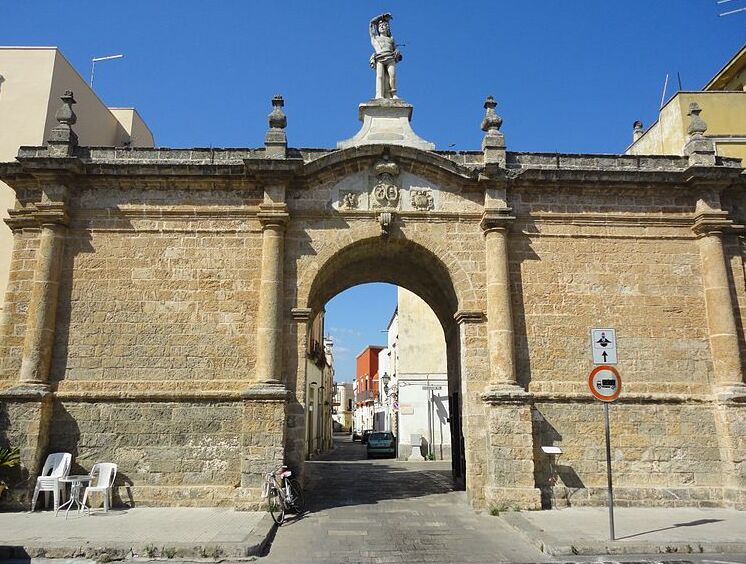

Nestled in the heart of the Salento peninsula, Galatone is a hidden gem that offers a glimpse into Italy's rich tapestry of history, culture, and breathtaking landscapes. Overlooking the shimmering waters of the Ionian Sea, this quaint village, just 13 km from Gallipoli, boasts a vibrant past that dates back to ancient times.
History and Origins
The origins of Galatone can be traced back to the Neolithic period, with archaeological evidence found at the Villaggio Costante on the Serra Campilatini and in the nearby Pinnella cave. The name "Galatone" itself derives from the Greek word "gála", meaning "milk," suggesting that sheep farming played a vital role in the village's early economy. Alternatively, it may be linked to the Greek surname "Galatos."
During the medieval period, Galatone flourished as a crucial settlement. Key historical events, such as the arrival of the Normans in the 11th century, brought significant changes to the region. The village's strategic location made it an essential stop for travelers and traders. Today, the remnants of its glorious past can be seen in the well-preserved architecture that tells stories of its inhabitants through the centuries.
Art and Architecture
Walking through Galatone is like stepping back in time. The village is adorned with stunning baroque architecture, a testament to its historical significance. Among the must-see sites is the Castle of Fulcignano, an imposing structure that dates back to the 15th century, showcasing the military ingenuity of its builders.
Another architectural marvel is the Mother Church of Maria SS Assunta, which features intricate frescoes and a stunning altar that draws both locals and visitors alike. The Marchesale Palace, with its elegant facade and historical importance, provides a glimpse into the noble lineage that once resided in the area.
Art lovers will appreciate the unique frescoes and sculptures that adorn many of the village's churches, reflecting the rich artistic heritage of the region. These masterpieces not only serve as religious artifacts but also as cultural symbols that resonate with the community.
Local Culture and Traditions
Galatone is a vibrant tapestry of local customs and traditions. One of the most remarkable events is the Feast of Saint Sebastian, celebrated every January. This festival includes colorful processions, traditional music, and delicious local food, drawing residents and visitors together in a joyful atmosphere.
Additionally, the Pizzica, a traditional dance of the Salento region, thrives in Galatone. This lively folk dance is often performed during festivals and celebrations, accompanied by the rhythmic sounds of the tamburello and violins, encapsulating the spirit of the local culture.
Gastronomy
No visit to Galatone would be complete without indulging in its delectable cuisine. The area is renowned for its olive oil, produced from the abundant olive groves that blanket the hills. A staple dish is orecchiette, a handmade pasta served with seasonal vegetables or rich tomato sauces.
Seafood lovers will delight in the fresh catch from the Ionian Sea, often prepared simply with olive oil, garlic, and herbs. Pair your meal with a glass of Salice Salentino, a robust red wine that perfectly complements the local flavors.
Don’t forget to sample the pasticciotto, a beloved pastry filled with creamy custard, offering a sweet ending to your culinary journey. This local treat is not just a dessert; it’s a piece of Galatone’s identity.
Lesser-known Curiosities
For those who seek hidden gems, Galatone has its share of surprises. One such curiosity is the "Cave of St. Sebastian," a small grotto where locals believe the saint performed miracles. It is a serene spot, often overlooked by tourists, offering a moment of reflection amidst nature.
Another intriguing detail is the village's unique dialect, which reflects the various influences that have shaped Galatone over the centuries, including Greek, Norman, and Spanish elements. This linguistic heritage adds a layer of charm and depth to the community.
Practical Visitor Information
The best time to visit Galatone is during the spring and early autumn, when the weather is mild, and the countryside bursts with vibrant colors. Summer can be hot, but it’s also when the village comes alive with festivals and events.
When exploring Galatone, consider taking a leisurely stroll through its narrow streets, where you’ll find local artisans, quaint shops, and inviting cafes. Be sure to visit the Piazza San Sebastiano, the heart of the village, where you can soak in the local atmosphere and enjoy a coffee while watching daily life unfold.
For a more personalized experience, consider using the Secret World app to plan your itinerary, ensuring you don’t miss any of Galatone's hidden treasures.


