
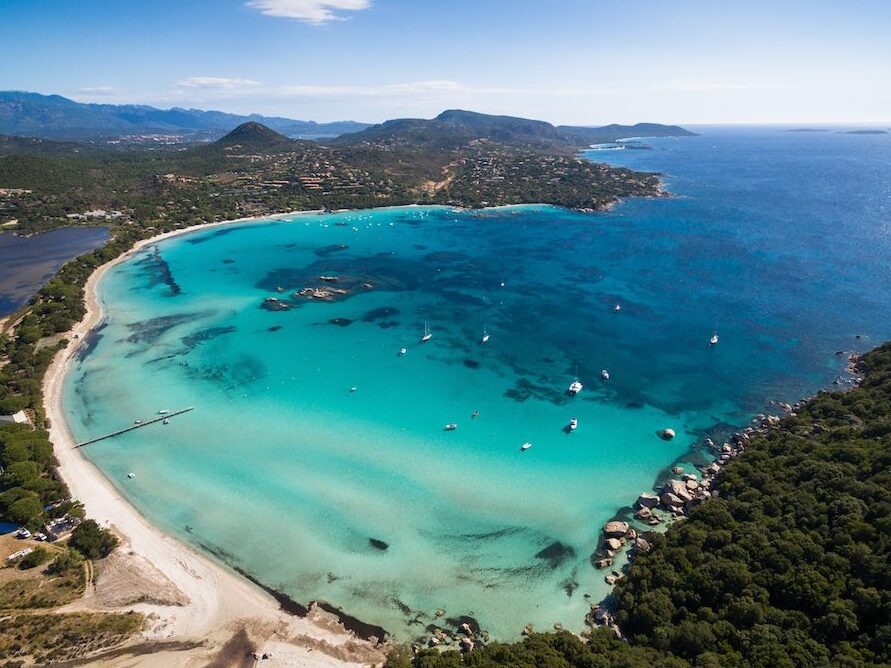

Nestled on the southeastern coast of Corsica, Santa Giulia is a dazzling slice of paradise, often referred to as the "Polynesia of Corsica." This breathtaking beach, located just a short drive from Porto-Vecchio, offers a pristine stretch of white sand caressed by the gentle waves of the turquoise Tyrrhenian Sea. While its natural beauty is undeniable, Santa Giulia is also a place steeped in history, culture, and culinary delights, offering a rich tapestry of experiences for the inquisitive traveler.
The history of Corsica is as diverse as its landscape. The island has been a crossroads for various civilizations, from the ancient Greeks and Romans to the Genoese. Porto-Vecchio itself was founded in 1539 by the Genoese as a fortress town, and its strategic location made it an important port and trading hub. While Santa Giulia's history may not be as prominent as that of Porto-Vecchio, the region is enveloped in the island's tumultuous past, marked by centuries of conflict and cultural exchange. These influences have left an indelible mark on the local customs and traditions that persist to this day.
Architecturally, Corsica is a blend of rustic charm and Mediterranean elegance. While Santa Giulia is more renowned for its natural beauty than man-made structures, nearby Porto-Vecchio offers a glimpse into the island's architectural evolution. The old town, with its narrow cobblestone streets and ancient ramparts, showcases the Genoese style that once dominated the region. Visitors can explore the Bastion de France, a relic of the town's fortified past, and appreciate the panoramic views over the bay, which serve as a reminder of the town's historical significance.
The cultural fabric of Corsica is woven with unique traditions and customs. The island is known for its vibrant festivals, such as the Festa di a Nazione on December 8th, celebrating Corsican patriotism and identity. Music is integral to Corsican culture, with polyphonic singing (known as paghjella) echoing through the island's churches and squares. While Santa Giulia itself may not host large festivals, the nearby towns come alive with celebrations throughout the year, offering visitors an authentic taste of Corsican life.
No visit to Corsica would be complete without indulging in its rich gastronomy. The island's cuisine reflects its diverse history, with influences from French, Italian, and indigenous Corsican traditions. At Santa Giulia, visitors can savor local delicacies such as brocciu, a fresh cheese made from goat or sheep milk, often used in both savory and sweet dishes. Seafood is also a staple, with dishes like aziminu (a Corsican fish stew) offering a taste of the Mediterranean's bounty. Pair your meal with a glass of Corsican wine, particularly the local Vermentino or Nielluccio, to complete the culinary experience.
Beyond the sun-soaked sands and azure waters, Santa Giulia harbors lesser-known curiosities that intrigue the discerning traveler. For instance, the beach is flanked by a unique lagoon, where migratory birds find refuge, making it a fascinating spot for birdwatching. The region is also dotted with hidden coves and rocky outcrops, perfect for those seeking solitude or a quiet moment of reflection.
For those planning a visit, the best time to experience Santa Giulia is between May and September, when the weather is warm and the sea inviting. However, visiting in the shoulder seasons of late spring or early autumn offers a quieter experience, with fewer crowds and milder temperatures. It's advisable to arrive early in the day to secure a good spot on the beach, especially during peak season. While there, consider exploring the surrounding countryside, where hiking trails offer stunning vistas of the Corsican landscape.
In summary, Santa Giulia is more than just a picturesque beach; it is a gateway to the heart of Corsican culture, history, and natural splendor. Whether you're drawn by the call of the sea, the allure of rich history, or the flavors of local cuisine, Santa Giulia promises an unforgettable journey into the soul of Corsica.


