← Back

The Staircase of The King of Aragon

7 Pl. Carrega, 20169 Bonifacio, Francia ★★★★☆ 876 views
Cristina Gregoracci
Bonifacio
🏆 AI Trip Planner 2026

Get the free app

Discover the best of Bonifacio with Secret World — the AI trip planner with 1M+ destinations. Get personalized itineraries, hidden gems and local tips. Free on iOS & Android.

🧠 AI Itineraries 🎒 Trip Toolkit 🎮 KnowWhere Game 🎧 Audio Guides 📹 Videos
Download on the App Store Get it on Google Play
Scan to download Scan to download
The Staircase of The King of Aragon - Bonifacio | Secret World Trip Planner

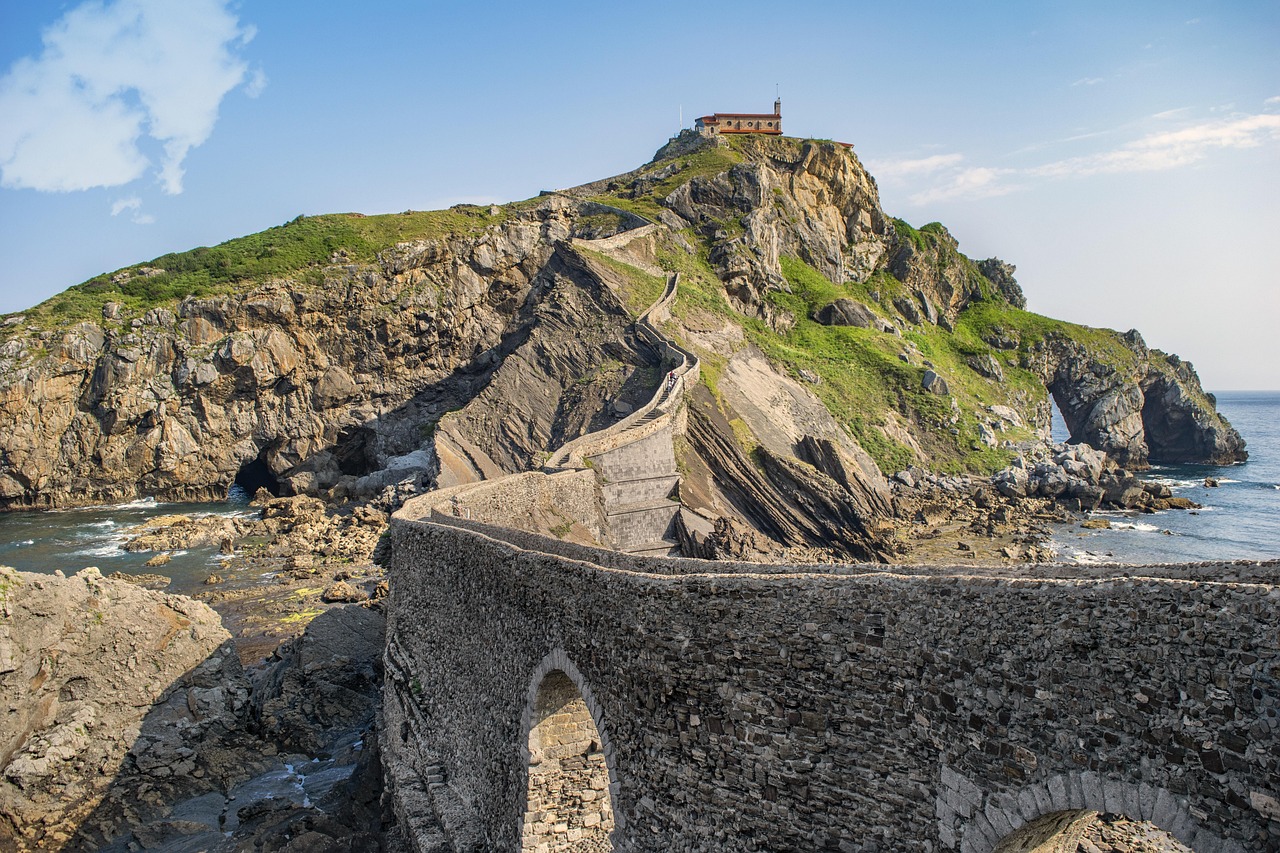
Carved into the sheer limestone cliffs of Bonifacio, the Staircase of The King of Aragon (Escalier du Roi d’Aragon) is not just a remarkable feat of engineering; it is a testament to the rich tapestry of Corsican history and legend. This impressive structure, consisting of 187 steps that descend at a near 45° angle, offers more than just a path to the sea; it invites visitors to step into the annals of time, where myth and reality intertwine.

The Staircase of The King of Aragon - Bonifacio | Secret World Trip Planner

### History and Origins

The Staircase of The King of Aragon is steeped in legend, notably the tale that it was excavated by the forces of Alfonso V of Aragon during the siege of Bonifacio in 1420. According to this narrative, the king’s troops worked tirelessly through the night to carve this pathway, a desperate attempt to seize the strategically vital cliffside town.

The Staircase of The King of Aragon - Bonifacio | Secret World Trip Planner

However, historical scrutiny reveals a more complex origin. The staircase is believed to have been fashioned long before the Aragonese siege, possibly by Franciscan monks seeking access to a natural spring below. Archaeological evidence suggests that some steps may even date back to Neolithic times, with modifications made over centuries to enhance the path. This blend of myth and historical fact makes the staircase a focal point of local lore and a symbol of Bonifacio’s enduring spirit.

### Art and Architecture

Architecturally, the staircase exemplifies the utilitarian style of medieval engineering, where function meets the rugged beauty of nature. The limestone cliffs of Bonifacio, with their stark verticality, provide a dramatic backdrop to the staircase, which appears as a dark, slanted line from the sea.

As visitors descend, they are surrounded by the raw beauty of the cliffs, where the interplay of light and shadow creates an ethereal atmosphere. While there are no ornate structures adorning the staircase itself, the natural beauty of the surrounding landscape serves as a living gallery, showcasing the artistry of Corsican nature.

### Local Culture and Traditions

The culture of Bonifacio is a mosaic of traditions influenced by Italian, French, and Corsican heritages. The town celebrates several local festivals throughout the year, with the Feast of Saint Erasme in May being a highlight. This vibrant event features processions, music, and traditional dances, drawing both locals and visitors into the heart of Bonifacio’s communal spirit.

Another intriguing aspect of local culture is the Corsican language, a rich and melodic dialect that reflects the island’s unique identity. Visitors may hear snippets of it spoken in markets or during festivals, adding an authentic layer to the experience of Bonifacio.

### Gastronomy

No visit to Bonifacio would be complete without indulging in its gastronomy. The region is famed for its seafood, with fresh catches gracing the menus of local restaurants. Dishes such as calamari, octopus, and the local favorite, spaghetti ai ricci di mare (sea urchin spaghetti), showcase the culinary delights that the Mediterranean Sea offers.

Additionally, Corsican cheeses, particularly brocciu, a soft cheese made from sheep or goat milk, are must-tries. Pair it with a glass of vin de Corse, a local wine, to elevate your dining experience while soaking in the stunning views of the cliffs and sea.

### Lesser-Known Curiosities

Despite its popularity, the Staircase of The King of Aragon holds some lesser-known secrets. For instance, those who venture down will discover a small cave at the bottom, believed to have served as a refuge for early inhabitants.

Furthermore, the staircase is not just a path; it has been a gathering place for locals for centuries, where stories of the sea and heroic deeds are shared. Look closely, and you might even spot remnants of ancient carvings on the rocks, hinting at the long history of human interaction with this dramatic landscape.

### Practical Visitor Information

The best time to visit the Staircase of The King of Aragon is during the spring and early autumn months when the weather is mild and the crowds are thinner. Early morning or late afternoon is ideal for avoiding the heat and enjoying the stunning light as it plays off the cliffs.

When planning your visit, wear sturdy shoes, as the descent and ascent can be challenging. Take your time to absorb the breathtaking views of the coastline, the turquoise waters, and the dramatic cliffs that have captivated travelers for centuries. Don't forget your camera; the stunning vistas are a photographer's dream.

For a truly immersive experience, consider using the Secret World app to plan a personalized itinerary that highlights the best of Bonifacio, ensuring you don’t miss any hidden gems during your visit.

🗺 AI Trip Planner

Plan your visit to Bonifacio

Suggested itinerary near The Staircase of The King of Aragon

MAJ+
500.000+ travelers worldwide
  1. 🌅
    Morning
    The Staircase of The King of Aragon
    📍 Bonifacio
  2. ☀️
    Afternoon
    Bonifacio on the Mediterranean Sea
    📍 0.2 km da Bonifacio
  3. 🌆
    Evening
    Bonifacio is the oldest town in the island of Corsica
    📍 0.2 km da Bonifacio

Buy Unique Travel Experiences

Powered by Viator

See more on Viator.com

Explore nearby · Bonifacio