



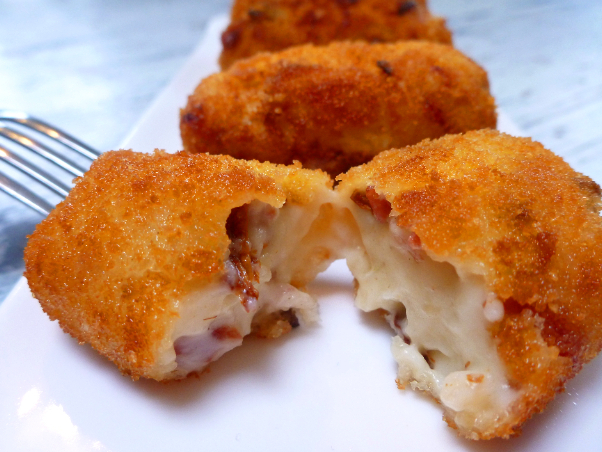
Nestled in the heart of Barcelona, the humble yet tantalizing croquette, or croqueta as it is known locally, represents more than just a culinary staple. It is a symbol of Catalonia's rich tapestry of history and culture, capturing the essence of this vibrant region in every crispy bite. These golden morsels tell stories of tradition, innovation, and the unyielding Catalan spirit, inviting both locals and travelers to partake in a sensory journey.
The origins of the croqueta can be traced back to France in the late 18th century, where culinary pioneers began experimenting with breadcrumbs and fillings. The word "croquette" is derived from the French term "croquer," meaning "to crunch." As these delectable bites crossed borders, they were warmly embraced by Spanish cuisine, particularly in Catalonia. Here, the croqueta evolved, incorporating local flavors and ingredients, and becoming a beloved part of the region's culinary identity.
Barcelona's architectural landscape, a feast for the eyes, complements the sensory delight of its cuisine. The city is a canvas of Modernist marvels, thanks largely to the genius of Antoni Gaudí. His masterpiece, La Sagrada Familia, with its intricate facades and towering spires, reflects the same attention to detail and creativity found in a well-crafted croqueta. Just as Gaudí's works invite contemplation and admiration, the city's culinary offerings encourage exploration and appreciation of the subtleties within each dish.
Culture and tradition are woven into the fabric of Barcelona, much like the diverse ingredients of a croqueta. Festivals such as La Mercè, celebrated every September, showcase the city's vibrant spirit through parades, concerts, and traditional dances like the sardana. These events provide a glimpse into the communal heart of Barcelona, where food, music, and dance converge, much like the harmonious blend of flavors found within a croqueta's crispy shell.
In the realm of gastronomy, Barcelona offers an array of flavors as diverse as its architectural wonders. Beyond the croqueta, dishes like paella, escalivada, and crema catalana highlight the region's culinary prowess. The city's bustling markets, such as La Boqueria, serve as living museums of Catalan gastronomy, where the freshest ingredients invite both chefs and home cooks to create. Pairing a croqueta with a glass of cava, a sparkling wine native to the region, elevates the experience, marrying taste with tradition.
While croquetas are a ubiquitous presence in tapas bars across Barcelona, there are lesser-known tales that add depth to their story. Historically, croquetas were a way to utilize leftovers, demonstrating the Catalan value of resourcefulness. Today, chefs push the boundaries, infusing traditional croquetas with modern twists, such as incorporating ceps mushrooms or Iberian ham, transforming them into gourmet delights that honor both past and present.
For those planning a visit, the best time to explore Barcelona is during spring or fall, when the weather is mild, and the city is less crowded. This allows for leisurely strolls through neighborhoods like El Raval or Gràcia, where hidden gems and local eateries await discovery. When seeking out croquetas, look for places that emphasize quality and tradition, ensuring each bite is a testament to the craft.
In conclusion, while the croqueta may appear simple, it embodies the complexity and richness of Barcelona's cultural and culinary heritage. Each bite offers a taste of history, a dash of innovation, and a connection to the vibrant spirit of this Catalan capital. Whether enjoyed in a bustling tapas bar or a quiet corner café, the croqueta is a small yet profound reminder of the joys of travel, discovery, and the universal language of good food.
