
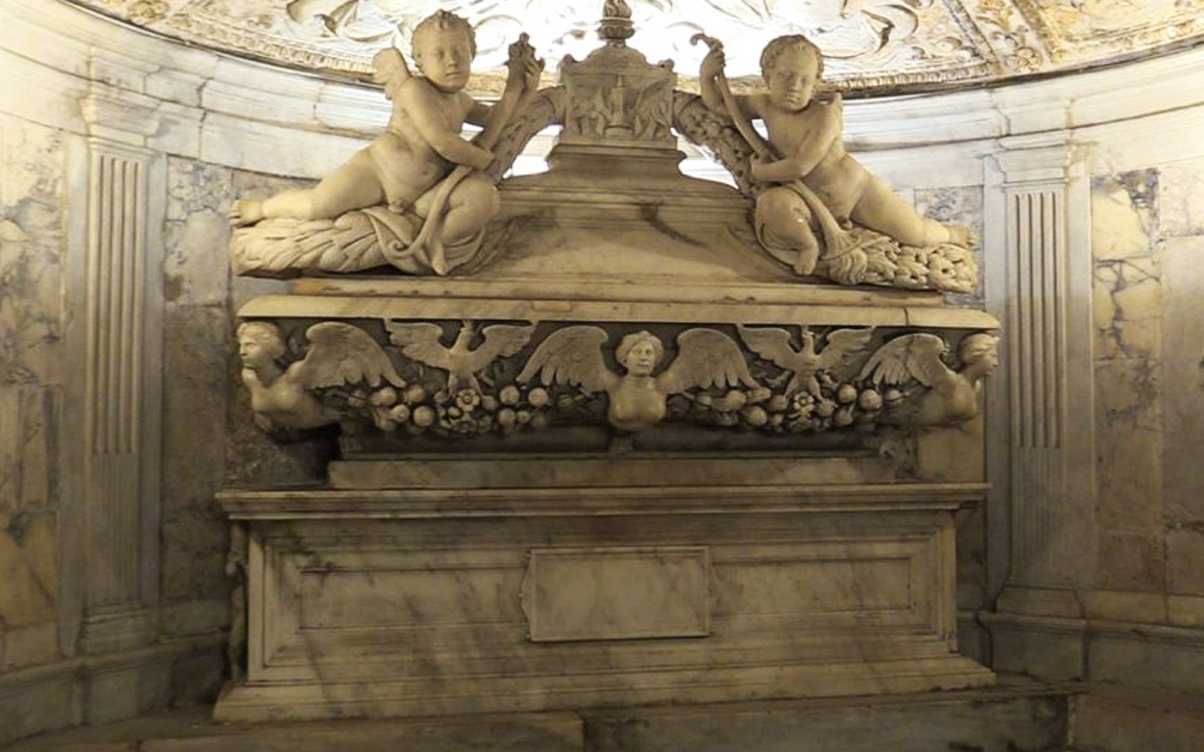

Nestled beneath the solemn tranquility of the Church of San Matteo in Genova, the Crypt of Andrea Doria serves as a breathtaking testament to the life and legacy of one of the most illustrious figures of the Italian Renaissance. This hidden gem, steeped in history, offers visitors a profound glimpse into the past and the cultural tapestry of this historic port city.
History and Origins
Andrea Doria, born in 1466, was more than just a naval captain; he was a pivotal figure during the tumultuous times of the Italian Wars. His strategic prowess and naval victories earned him the title of "Defensor" for his role in safeguarding Christianity against Ottoman incursions. Upon his death in 1560, the famed sculptor Montorsoli was commissioned to create this crypt, which was ingeniously placed beneath the church's altar, symbolizing the sanctity and respect attributed to Doria.
The crypt's construction reflects the turbulent history of Genova itself, a city that has oscillated between power and vulnerability. The Genoese Republic was known for its maritime strength, and Doria's contributions to its naval dominance were crucial. The crypt serves not only as a resting place for Doria but also as a reminder of the city’s rich maritime heritage.
Art and Architecture
The architectural style of the crypt is a stunning example of Renaissance design. As you descend the elegant white marble staircase, you are enveloped by a sense of reverence. The walls are adorned with the same pristine marble that envelops the sarcophagus at the center, which is surmounted by two ethereal angels, their wings gracefully framing Doria’s effigy.
The craftsmanship of Montorsoli is evident in every detail, from the intricate carvings to the harmonious proportions that characterize the space. This architectural marvel not only serves a funerary purpose but also embodies the artistic aspirations of its time. The interplay of light and shadow within the crypt creates an atmosphere of solemnity, inviting contemplation.
Local Culture and Traditions
While the crypt itself is a quiet refuge, the surrounding San Matteo area is alive with the bustling energy of Genova. This city is known for its rich traditions, such as the Feast of St. John, celebrated every June 24th. This festival honors the city’s patron saint with parades, fireworks, and local delicacies, showcasing the deep-rooted sense of community among the locals.
Visiting the crypt allows travelers to connect with the cultural significance of Genova. The city’s history is interwoven with tales of maritime exploration and political intrigue, and the legacy of figures like Andrea Doria continues to influence contemporary Genoese identity.
Gastronomy
No visit to Genova is complete without indulging in its culinary offerings. The region is famed for its Pesto alla Genovese, a vibrant basil sauce that is a staple in many local dishes. Pair this with trofie, a twisted pasta that clings beautifully to the sauce, and you have a quintessential Genoese meal.
Additionally, be sure to sample focaccia di Genova, a soft, olive oil-rich bread that can be enjoyed plain or topped with various ingredients. As you stroll through the narrow streets near the crypt, indulge in a glass of Sciacchetrà, a sweet dessert wine that perfectly complements the local flavors.
Lesser-Known Curiosities
Despite being a significant historical site, the Crypt of Andrea Doria often goes overlooked by many tourists. One fascinating fact is that the crypt also reflects the Genoese practice of honoring their heroes by interring them in sacred spaces. Moreover, the crypt's angels, while serving as guardians of Doria’s tomb, are often seen as symbolic representations of his valor and divine favor.
Another hidden detail lies within the crypt's architecture itself; the marble used was sourced from local quarries, emphasizing the Genoese connection to its land and resources. This local sourcing is a testament to the pride and craftsmanship that has characterized Genova for centuries.
Practical Visitor Information
The best time to visit the Crypt of Andrea Doria is during the shoulder seasons of spring (April to June) and autumn (September to October), when the weather is mild and the crowds are thinner. Visitors should allow ample time to descend the marble staircase and absorb the crypt's serene atmosphere.
While photography may be restricted to preserve the sanctity of the space, take time to reflect on the artistry and history encapsulated within these walls. Engage with local guides who can offer deeper insights into the crypt and the life of Andrea Doria, enhancing your experience.
As you plan your visit to this remarkable site, consider using the Secret World app to create a personalized AI itinerary for your time in Genova.


