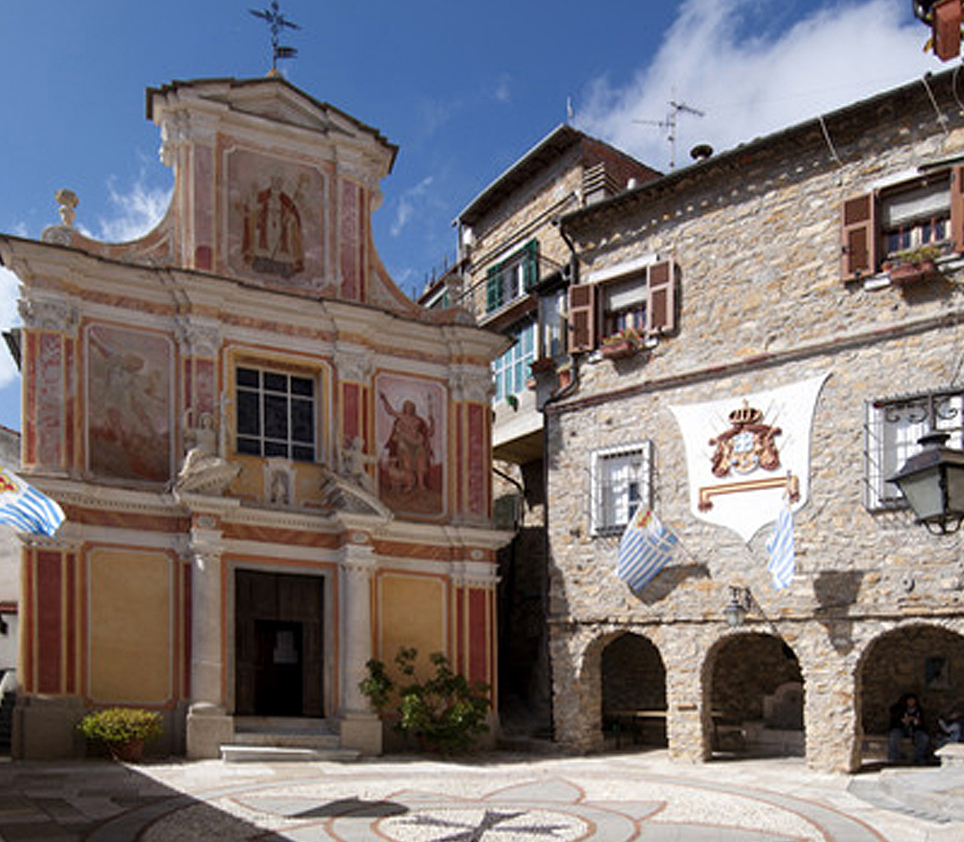

Nestled in the heart of Genova, the Museum of the Ancient Principality Mint offers a captivating journey through the fascinating world of numismatics and the rich history of a lesser-known principality. The museum resides within the Mint Palace, a historic building that reflects the artistic and architectural prowess of its time, making it a treasure trove for history buffs and curious travelers alike.
### History and Origins
The origins of the Mint Palace date back to the late Middle Ages when it served as the primary minting facility for the Principality of Seborga. This small, self-proclaimed principality, situated on the Italian Riviera, gained prominence in the 17th century under the rule of King Louis XIV of France. The mint became a symbol of Seborga's autonomy, issuing its own currency and solidifying its unique identity.
Among the museum's most notable exhibits is the silver Luigino of 1669. This coin, one of only twelve minted during this era, is classified as an RRR in numismatic registers, signaling its status as an absolute rarity. The Luigino not only represents monetary value but also serves as a historical artifact, reflecting the intricate relationship between Seborga and France during a time of great political upheaval in Europe.
### Art and Architecture
The architectural style of the Mint Palace is a blend of Renaissance and Baroque influences, characterized by its elegant facade and ornate detailing. Visitors are greeted by grand arches and meticulously crafted stonework that evoke a sense of historical significance. Inside, the museum’s layout is thoughtfully designed, allowing visitors to navigate through various exhibits that showcase the minting process and the evolution of currency in the region.
Notable artworks within the museum include intricate engravings and historical paintings that depict the minting process and the cultural significance of currency in everyday life. The museum is not merely a repository of coins; it is a celebration of the artistry involved in their creation and the rich narratives they encapsulate.
### Local Culture and Traditions
The culture of Seborga is deeply intertwined with its historical roots. Although small in size, the principality has a vibrant local tradition, celebrating its autonomy with various festivals throughout the year. One of the most significant events is the Festa della Liberazione, held in April, where locals commemorate their claim to sovereignty with parades, traditional music, and local cuisine.
In addition, the Seborgan Mint has become a symbol of local pride, and the residents take great joy in sharing their unique heritage with visitors. The customs surrounding the minting process, including the use of traditional tools and techniques, are still honored and demonstrated during special events at the museum.
### Gastronomy
A visit to Genova would not be complete without indulging in its culinary delights. The region is famous for its pesto alla Genovese, a vibrant basil sauce that is a staple in local cuisine. Pairing this with trofie, a traditional pasta shape, is a must for any visitor.
Another local delicacy is the farinata, a savory chickpea pancake that can be found in many local eateries. The combination of fresh ingredients and traditional recipes reflects the agrarian roots of the region, and indulging in these dishes offers a delectable insight into the local culture.
For those with a sweet tooth, baci di dama, a type of almond cookie filled with chocolate, provides a perfect treat to enjoy while exploring the museum or the picturesque streets of Genova.
### Lesser-Known Curiosities
While the Museum of the Ancient Principality Mint showcases the historical significance of Seborga's currency, many visitors are often unaware of the quirky side of this principality. For instance, Seborga has its own flag and national anthem, and the title of Prince is often humorously bestowed upon a local resident during festivals.
Another interesting tidbit is that the principality claims to have its own postal service, which adds to its charm as a self-declared sovereign state. These unique elements contribute to a light-hearted atmosphere that contrasts with the historical weight of the museum’s exhibits.
### Practical Visitor Information
The Museum of the Ancient Principality Mint is open year-round, with the best time to visit being during the spring and early autumn months. During this period, the weather is mild, allowing for pleasant exploration of both the museum and the surrounding areas.
When visiting, be sure to look for the interactive displays that detail the minting process, as well as the rare coins that showcase the rich history of currency in the region. Engaging with the knowledgeable staff can also enhance your visit, providing insights that may not be found in the exhibits alone.
For a truly enriching experience, consider timing your visit to coincide with local festivals. This will not only immerse you in Seborga’s culture but also offer a unique perspective on how history and tradition continue to shape this remarkable principality.
To navigate your way through Genova's hidden gems, using the Secret World app can help you craft a personalized itinerary for your visit.
