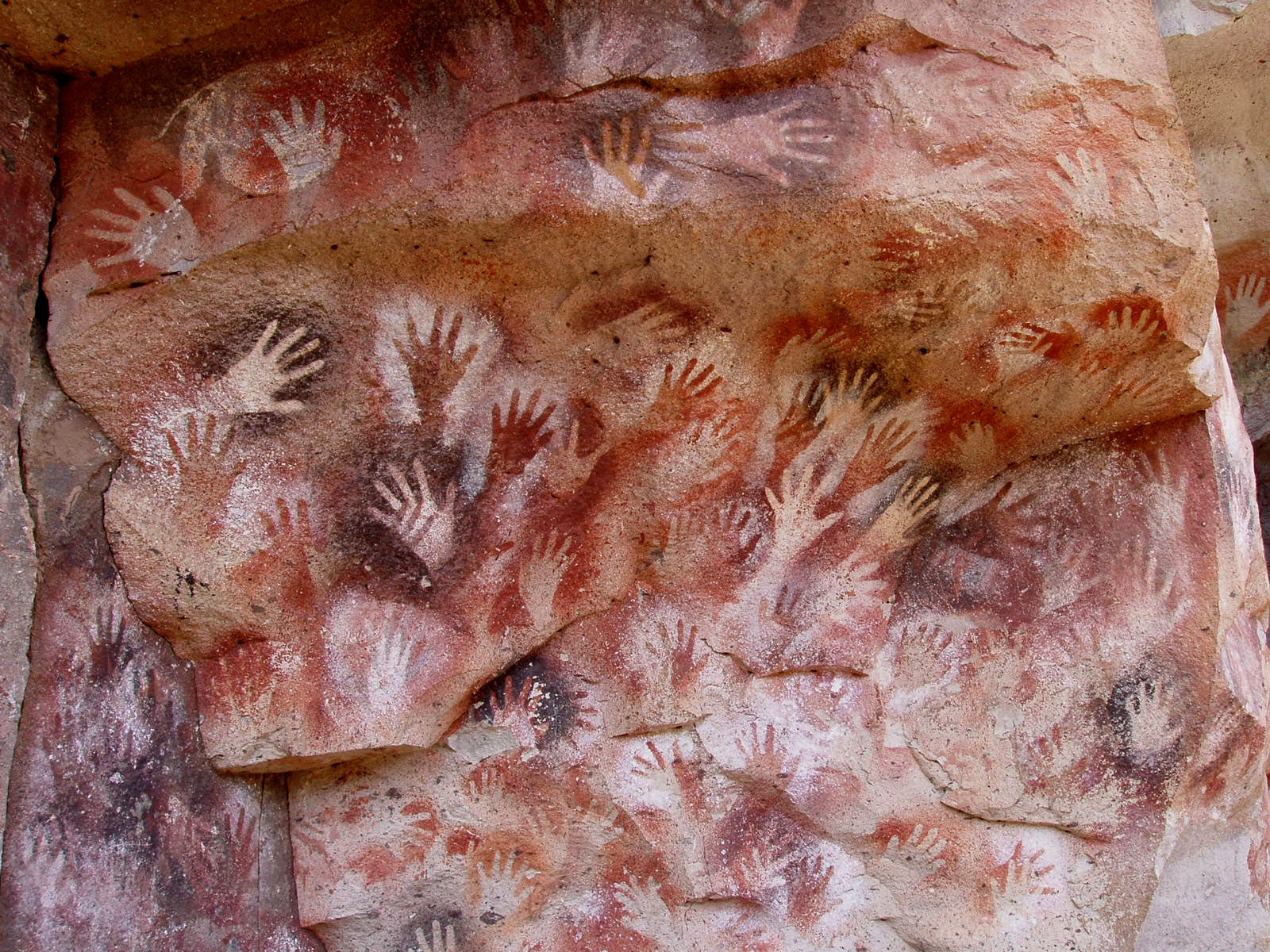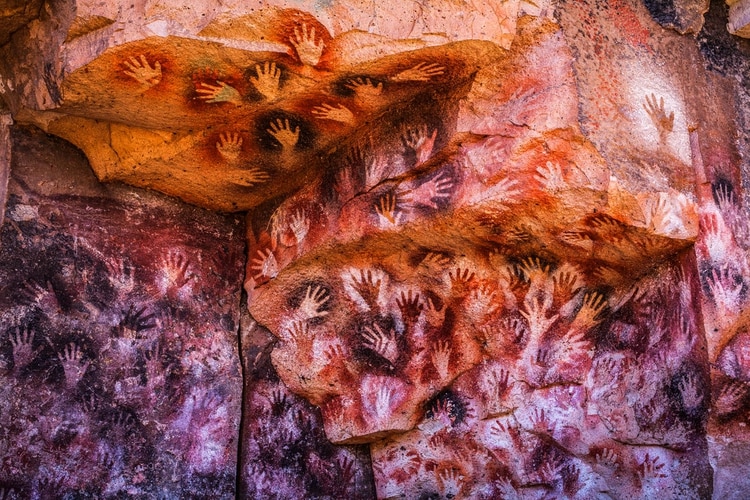

The Cuevas de las Manos (Caves of the Hands) in Argentina is a breathtaking testament to ancient human expression. Nestled in the rugged landscape of Patagonia, these caves feature the largest collection of ancient handprints in the world, believed to date back over 9,000 years. This extraordinary site not only showcases the artistic abilities of prehistoric peoples but also provides insight into their culture and traditions.
### History and Origins The origins of the Cuevas de las Manos can be traced back to the Pinturas River valley, where the first inhabitants of the region, the Tehuelche people, created these striking artworks. Dating back to around 7,000 BCE, the handprints were made using a unique technique: artists would blow pigment over a hand placed against the rock face, creating a negative impression. Over centuries, these ancient artists captured their world, leaving behind a legacy that speaks volumes about their lives, beliefs, and environment.
Key historical events in the area include the discovery of the caves by archaeologists in the early 20th century. In 1941, the site was officially documented by Argentinian archaeologist Carlos J. L. O. E. F. M. A. J. D. M. J. S. M. E. A. The paintings were later designated as a UNESCO World Heritage Site in 1999, due to their cultural significance and the exceptional preservation of the artwork.
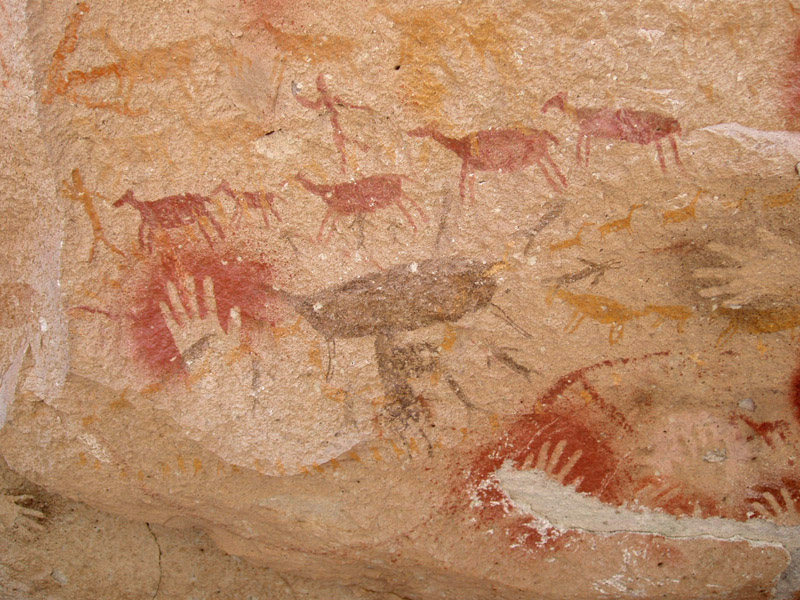
### Art and Architecture The art found in the Cuevas de las Manos is predominantly handprints, but visitors are also treated to a stunning variety of images depicting local wildlife such as guanacos and rheas, as well as dynamic hunting scenes. Some researchers have even suggested that certain figures could represent extraterrestrial beings or evil spirits, further deepening the mystery surrounding these ancient artworks.
The architectural style of the caves is naturally occurring, with vast rock formations that provide a dramatic backdrop to the artistry. The interplay of light and shadow in the caves enhances the viewing experience, making it seem as if the figures are coming to life. Each stroke and imprint tells a story, making the caves not just a gallery of art but a historical narrative that spans millennia.
### Local Culture and Traditions Today, the region surrounding the Cuevas de las Manos is still home to descendants of the original inhabitants, who maintain a deep connection to the land and its history. Local customs involve a respect for nature and a celebration of their rich heritage. Festivals often showcase traditional music and dance, reflecting the Tehuelche culture's reverence for their ancestors and the spirits of the land.
One notable event is the Fiesta Nacional del Futbol Infantil, held annually in nearby Perito Moreno. This festival not only promotes sports among the youth but also emphasizes community spirit and cultural pride.
### Gastronomy The culinary scene in this remote part of Argentina offers a delightful glimpse into local flavors. Traditional dishes often feature lamb, a staple in the area, cooked over open flames or as part of hearty stews. Locro, a rich soup made of corn, beans, and meats, is also popular among locals.
Don’t miss the chance to try empanadas filled with local game or seasonal vegetables, paired with a refreshing glass of Malbec wine from the nearby vineyards. These culinary delights provide an authentic taste of the region, allowing visitors to savor the flavors of Patagonia.
### Lesser-Known Curiosities While many travelers flock to the more prominent aspects of the Cuevas de las Manos, hidden details often go unnoticed. For instance, the caves are home to various rock formations that have created a unique ecosystem, attracting diverse flora and fauna.
Moreover, the caves are thought to have been used not only for artistic expression but also possibly for ceremonial purposes. Some scientists theorize that the positioning of the cave entrances may align with celestial bodies, hinting at a sophisticated understanding of astronomy among the ancient inhabitants.
### Practical Visitor Information The best time to visit Cuevas de las Manos is during the spring and fall, when the weather is mild and the surrounding landscapes are particularly stunning. Be sure to wear sturdy shoes for the trek to the caves, and don’t forget your camera — the vibrant colors of the paintings against the rugged rock are a sight to behold.
Guided tours are available, offering invaluable insights into the history and significance of the site. Look out for the various animal depictions and handprints, and take time to appreciate the natural beauty that surrounds you.
In conclusion, the Cuevas de las Manos is not just an archaeological site; it is a gateway into the past, a canvas of human creativity and survival. Each visit offers a fresh perspective on the lives of those who came before us, urging us to connect with our shared history.
To truly enrich your experience, consider using the Secret World app to create a personalized itinerary that will guide you through this remarkable region.