



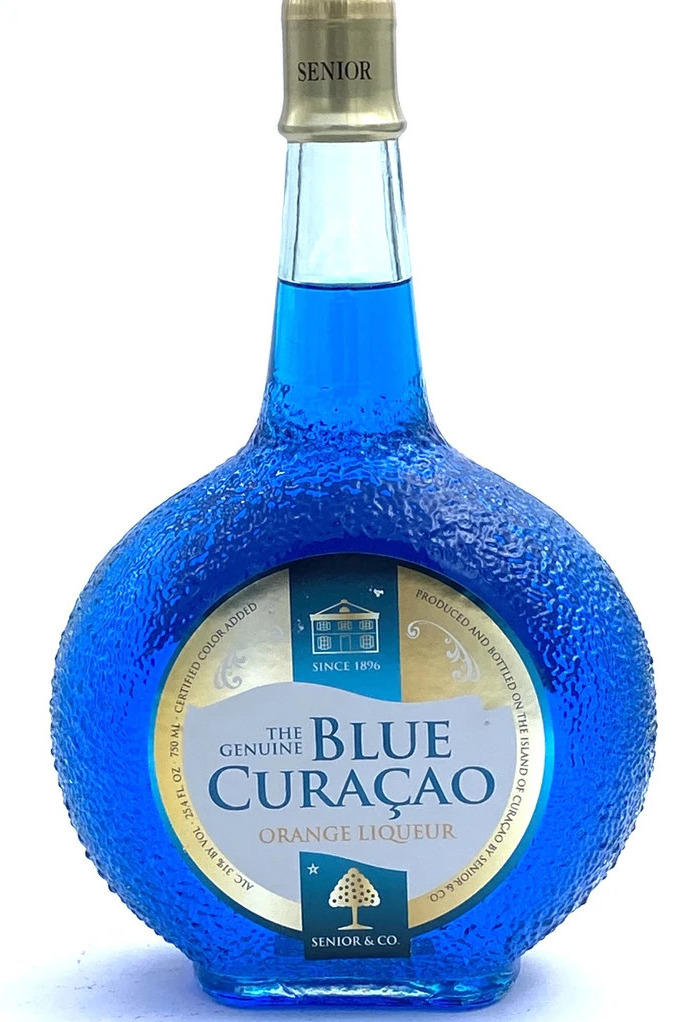
Curaçao, a gem nestled in the southern Caribbean, is renowned not only for its stunning beaches and vibrant culture but also for its unique Curaçao liqueur. This iconic drink, made from the bitter peels of the laraha orange, carries a rich history that intertwines with the island's colonial past.
The origins of the laraha date back to the 16th century when Spanish explorers introduced the bitter orange to Curaçao. The island's inhospitable, nutrient-poor soil transformed the fruit into a variety that thrived under the Caribbean sun but tasted distinctly different from its Spanish counterpart. It was not until the 19th century that the Senior family, Spanish settlers on the island, began refining the liqueur, creating a product that would become synonymous with the island itself.
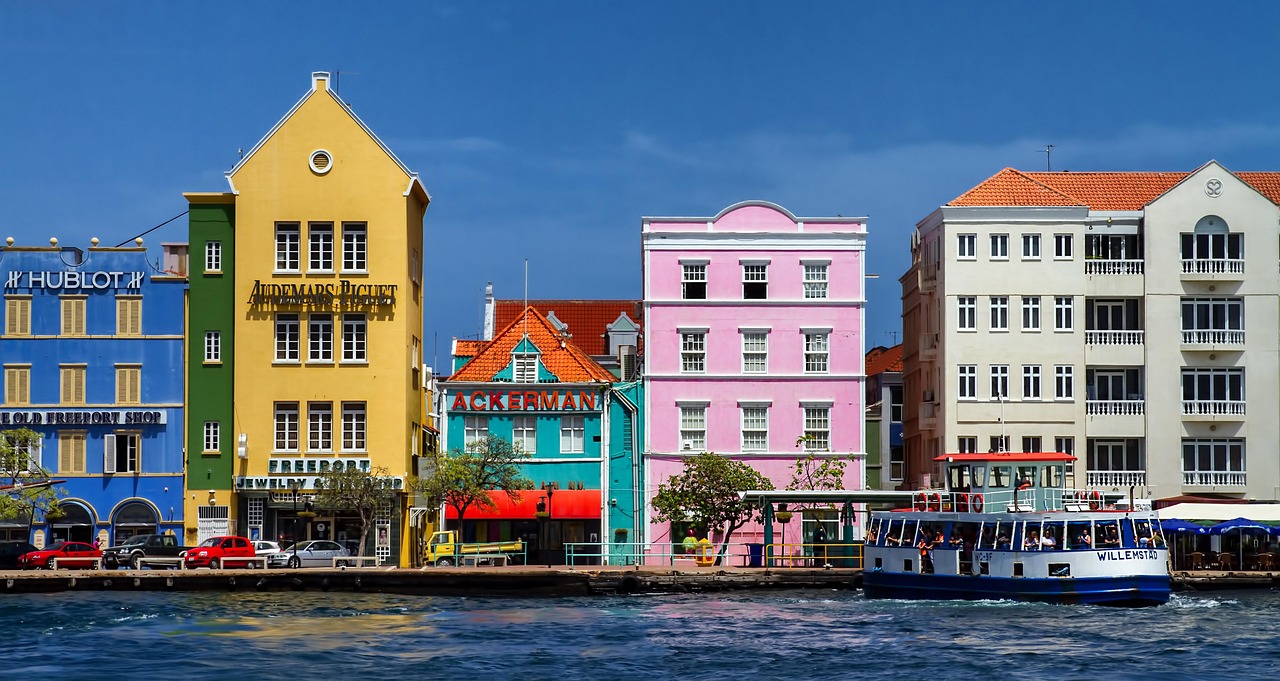
As you stroll through the streets of Willemstad, the capital of Curaçao, you’ll encounter a kaleidoscope of Dutch colonial architecture. The city is a UNESCO World Heritage site, celebrated for its vibrant pastel buildings and charming canals. The characteristic curacao-style houses, with their gabled roofs and ornate facades, reflect the artistic influences of both Europe and the Caribbean. Notable structures include the Mikvé Israel-Emanuel Synagogue, the oldest surviving synagogue in the Americas, and the Fort Amsterdam, a testament to the island's colonial military history.
Art plays a vital role in Curaçao's identity. The island hosts a thriving arts scene, with galleries showcasing local talent and craftsmanship. The Kura Hulanda Museum delves into the history of the African slave trade, offering poignant insights into the island's past. The annual Curaçao Carnival, held in February, bursts with color and life, featuring parades, traditional music, and elaborate costumes that reflect the island's rich cultural heritage.
Curaçao’s local traditions are deeply rooted in its multicultural community. The island celebrates a blend of African, Dutch, and Caribbean influences, evident in its music, dance, and festivals. The Dia di Bandera, or Flag Day, observed on July 2nd, honors the island's identity with cultural performances and displays of the Curaçao flag. Traditional dances like tumba and seú echo the island's African heritage, while local musicians often perform on the streets, creating a lively atmosphere that invites participation.
When it comes to gastronomy, Curaçao offers a delightful array of flavors. Keshi yena, a local dish made of cheese stuffed with spiced meat, is a must-try. Another favorite is stoba, a hearty stew often made with goat or fish, reflecting the island’s culinary diversity. Don’t forget to sample local snacks like pastechi, a savory pastry filled with cheese or meat, perfect for enjoying with a glass of fresh Curaçao liqueur.
For those looking to sip something unique, the blue version of Curaçao liqueur is a staple in many tropical cocktails, famously used in the Swimming Pool cocktail, which is as refreshing as it sounds. The liqueur's vibrant colors and diverse flavors have made it a favorite among mixologists worldwide.
Beyond the obvious attractions, there are many lesser-known curiosities about Curaçao that can enrich your visit. For instance, the island is home to the Hato Caves, where ancient Arawak petroglyphs can be found. These rock carvings provide a glimpse into the island's pre-Columbian history, a story often overlooked by visitors. Additionally, Curaçao has a thriving flamingo population, particularly on Klein Curaçao, a small uninhabited island that offers stunning views and serene beaches.
The best time to visit Curaçao is between December and April, when the weather is pleasantly warm and dry, making it ideal for outdoor activities like diving and exploring the island's natural beauty. Be sure to visit the Christoffel National Park, which offers hiking trails and breathtaking views from its highest peak, Mt. Christoffel.
Traveling around Curaçao is relatively easy, with a well-maintained road network and ample options for car rentals. While the island is compact, there’s much to explore, from the colorful streets of Willemstad to the tranquil beaches of Grote Knip.
For those eager to craft a personalized itinerary that captures the essence of Curaçao, consider using the Secret World app to help plan your journey.
