



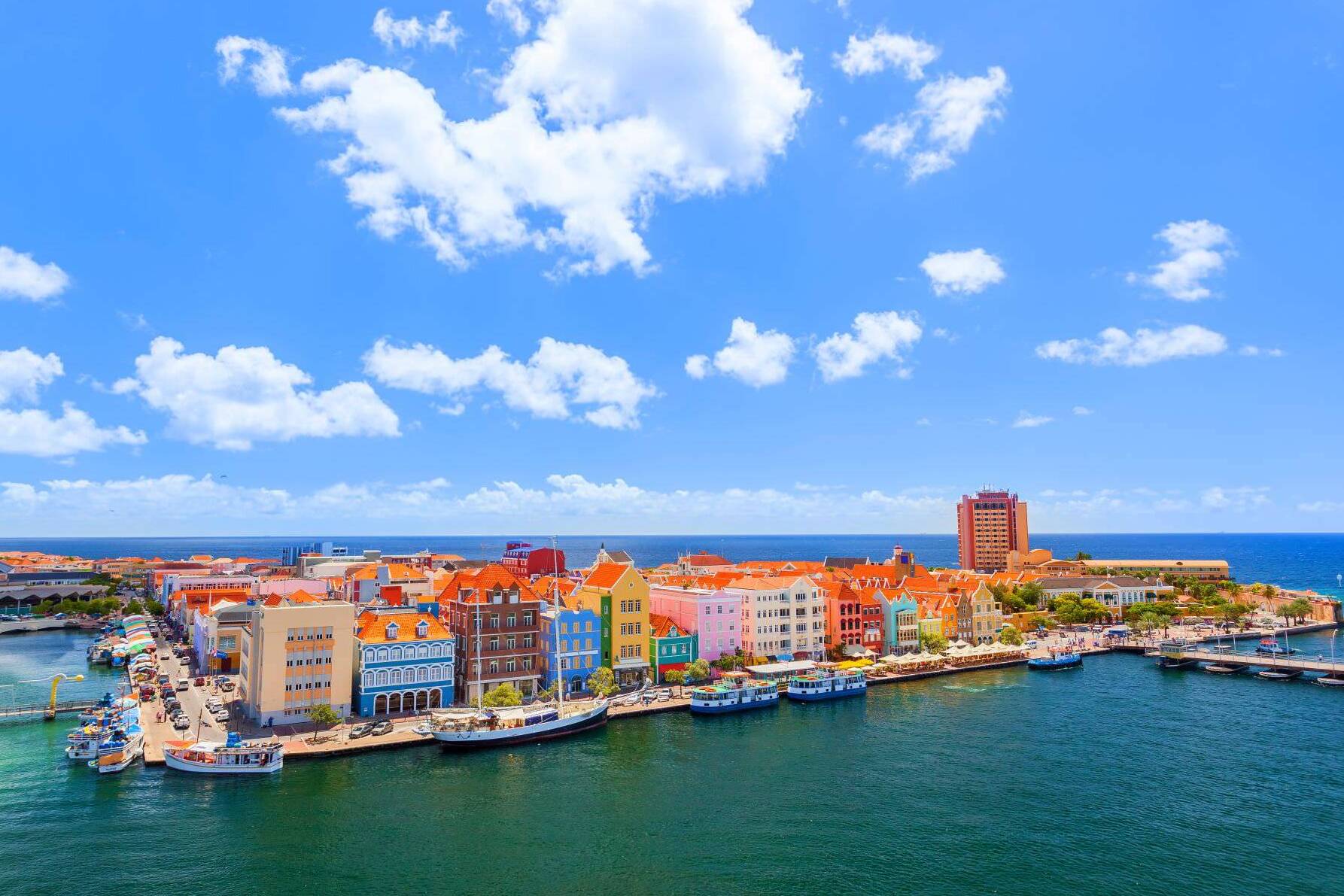
Willemstad, the captivating capital of Curaçao, is a kaleidoscope of culture and history, earning its designation as a UNESCO World Heritage Site. This vibrant city, founded in 1634, has a rich past that intertwines with the Caribbean's colonial history, making it an essential stop for any traveler seeking to understand the region’s diverse heritage.
### History and Origins Willemstad was established by the Dutch West India Company as a fortified city to protect its trade routes. The city was originally named after William of Orange, the leader of the Dutch independence movement. Over the centuries, Willemstad has witnessed various historical events, including its pivotal role during the Transatlantic Slave Trade, which shaped much of the island's socio-economic landscape. The Fort Amsterdam, built in 1635, remains a symbol of this era, serving as both a defense structure and the governor's residence.
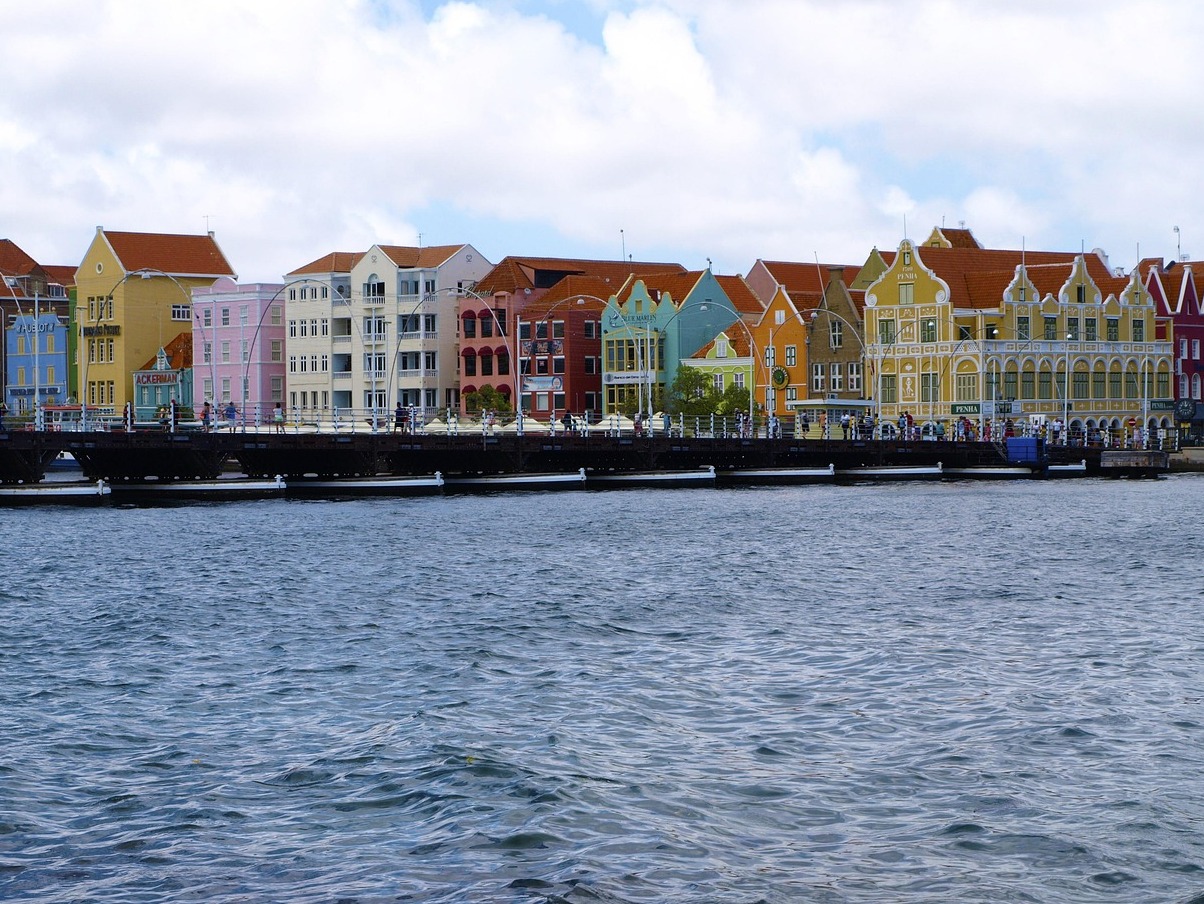
A significant event in its history occurred in the 19th century when General Governor Albert Kikkert implemented a unique initiative that would forever change the city’s aesthetic. Suffering from debilitating migraine headaches, he noted that the reflection of sunlight from the city’s stark white buildings aggravated his condition. In response, he ordered that all buildings in downtown Willemstad be painted in bright colors, giving rise to the iconic palette that continues to define the city today.
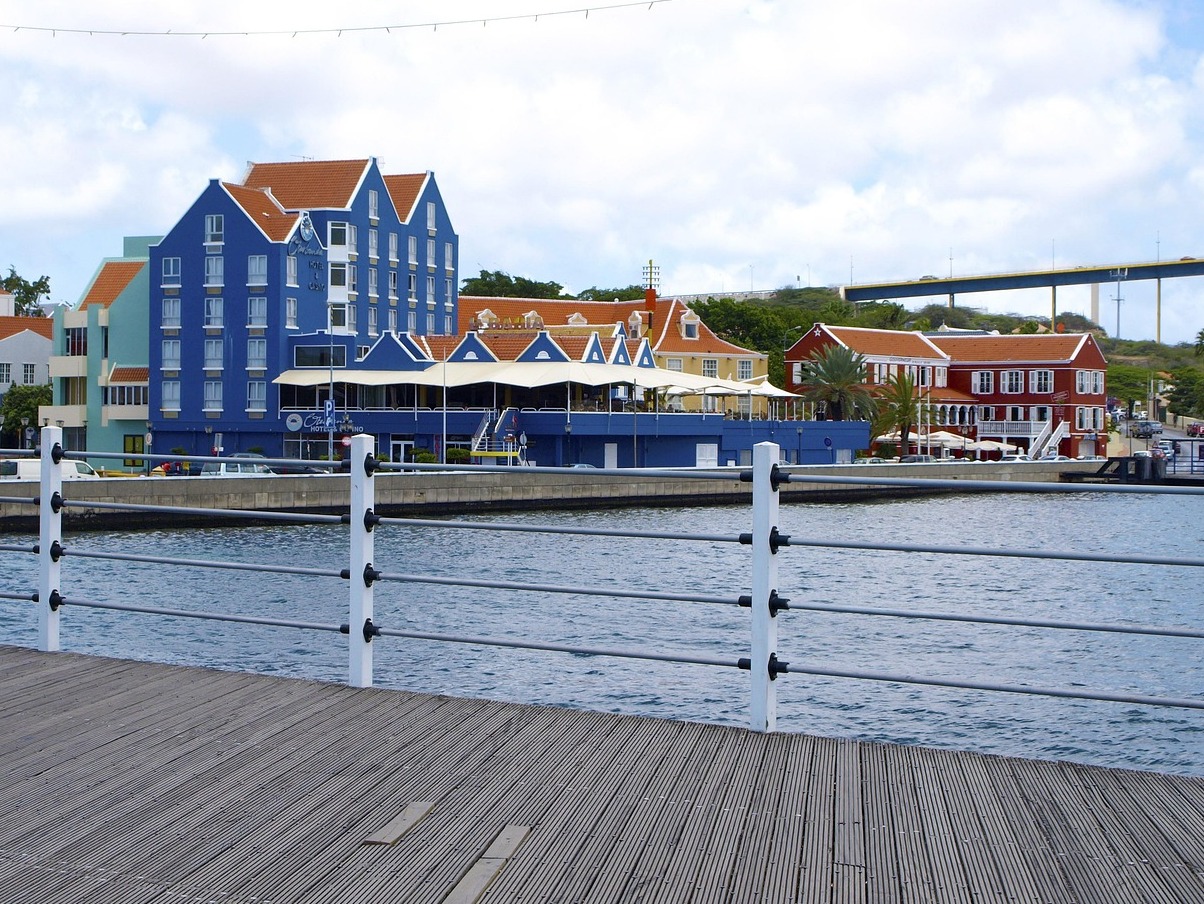
### Art and Architecture The architectural style of Willemstad is a remarkable blend of Dutch Colonial, Caribbean, and even Spanish influences. The Punda and Otrobanda districts are known for their charming facades, with over 750 colorful structures lining the waterfront. The Mikve Israel-Emanuel Synagogue, built in 1732, is a notable highlight, being the oldest synagogue in continuous use in the Americas. Its sand-covered floor and distinctive architecture reflect the rich history of Jewish settlers on the island.
Willemstad’s Queen Emma Bridge, affectionately known as the 'Swinging Old Lady,' connects Punda and Otrobanda. This floating bridge, constructed in 1888, is not only a functional piece of infrastructure but also a beloved landmark, often adorned with the laughter and chatter of locals and tourists alike.
### Local Culture and Traditions The culture of Willemstad is as vibrant as its buildings. The city hosts numerous festivals that celebrate its rich heritage, including the Curaçao Carnival, one of the largest and most colorful in the Caribbean. This annual event, typically held in February, features parades filled with music, dance, and elaborate costumes, showcasing traditional and modern expressions of Afro-Caribbean culture.
Additionally, you can explore the Curaçao North Sea Jazz Festival, which attracts international artists and offers a mix of genres, from jazz to hip-hop, reflecting the island's diverse musical influences. Local customs also include Dushi, a term of endearment that embodies the warmth and hospitality of the Curaçaoan people.
### Gastronomy No visit to Willemstad is complete without indulging in its culinary delights. The island’s gastronomy is a rich tapestry woven from African, Dutch, and Caribbean influences. Keshi Yena, a traditional dish made of cheese and filled with spiced meats, is a must-try. Another local favorite is Sopi di Pampuna, a pumpkin soup that showcases the island’s fresh produce flavors.
For those looking for something sweet, the famous Curaçao liqueur, made from the peels of the Laraha orange, is a delightful treat. This vibrant blue liqueur is not only a staple in local cocktails but also a testament to the island’s unique agricultural heritage.
### Lesser-known Curiosities Willemstad is full of hidden gems that many tourists overlook. For instance, the Kura Hulanda Museum tells the poignant story of the African slave trade and its impact on the Caribbean. This museum is housed in a restored 19th-century warehouse and offers a comprehensive look at the region’s complex history.
Another curiosity is the Floating Market, where Venezuelan vendors sell fresh produce and seafood directly from their boats. Visiting this market not only allows for an authentic shopping experience but also provides a glimpse into the daily lives of local fishermen and traders.
### Practical Visitor Information The best time to visit Willemstad is between December and April, when the weather is typically dry and comfortable. For those who want to avoid the crowds, consider visiting during the shoulder months of May and November.
When exploring the city, take the time to wander through the streets of Punda and Otrobanda, and don’t forget to capture the stunning views from the various bridges. As you stroll, be sure to try local delicacies at the many street food stalls and restaurants.
Before you go, download the Secret World app to help plan your personalized itinerary for discovering the best of Willemstad.
