

In the shadow of the more frequented pyramids of Giza and Saqqara, Dahshur stands as a tranquil testament to the grandeur of ancient Egyptian civilization. This archaeological site, located approximately 40 kilometers south of Cairo, was once home to eleven magnificent pyramids, of which the Red Pyramid and the Bent Pyramid are the most renowned. Visitors seeking a serene glimpse into Egypt's illustrious past will find Dahshur a captivating alternative to the bustling tourist hotspots.
The history of Dahshur dates back to the Fourth Dynasty of the Old Kingdom, around 2613 BC, when the pharaoh Sneferu initiated the architectural evolution of pyramid construction. Often overshadowed by his famous son Khufu, Sneferu pioneered the transition from step-sided structures to the smooth-faced pyramids we recognize today. His reign marked a pivotal moment in ancient Egyptian history, as it laid the groundwork for the monumental achievements that would follow.
The Red Pyramid, named for its reddish limestone casing, is the second oldest pyramid in Egypt. It is believed to be the final resting place of Sneferu himself. Its construction reflects a significant leap in engineering, with a true pyramid shape that symbolizes the sun's rays—a crucial aspect of ancient Egyptian cosmology. This architectural marvel rises to about 104 meters in height and features a simple interior layout, making it accessible for visitors who wish to explore its chambers.

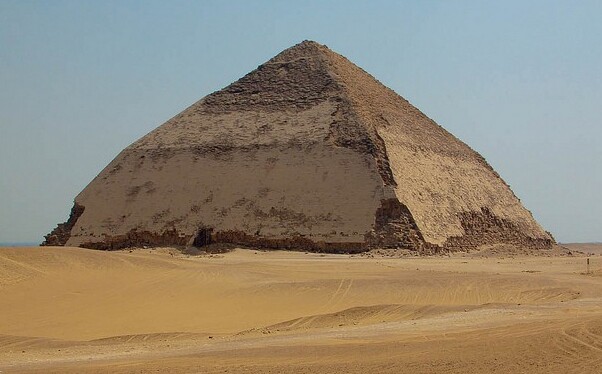
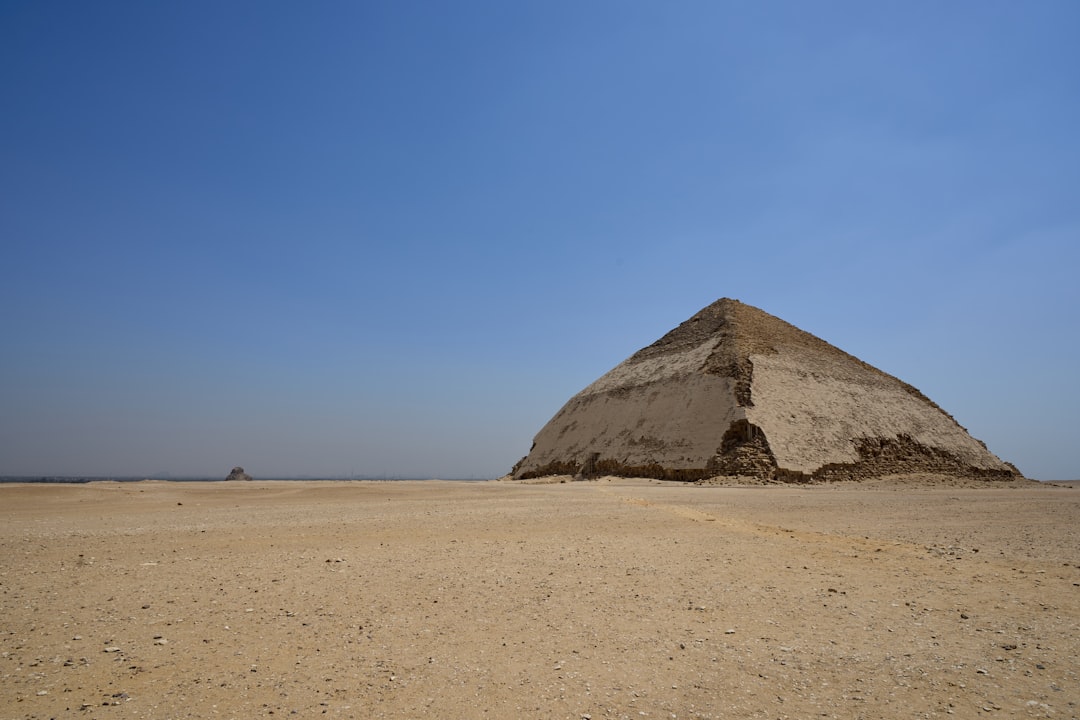
Equally fascinating is the Bent Pyramid, which showcases a unique architectural style that diverges from traditional pyramid shapes. Its name derives from the distinct change in angle halfway up its structure, giving it an unusual bent appearance. This anomaly is thought to be a result of the builders' difficulties in achieving the desired angle, leading to a compromise that resulted in two entrances. The Bent Pyramid offers insights into the experimental phase of pyramid construction, showcasing how ancient architects adapted their techniques over time.
While Dahshur is primarily known for its pyramids, the local culture surrounding this historical site is rich and vibrant. The inhabitants of the nearby villages maintain a lifestyle deeply intertwined with the history of the land. Traditional customs, such as Moulid celebrations—festivals honoring local saints—are common. These events often feature colorful processions, music, and dance, providing a glimpse into the enduring cultural tapestry of Egypt.
Gastronomically, Dahshur offers a taste of authentic Egyptian cuisine. Visitors can savor local specialties such as koshari, a hearty blend of rice, lentils, and pasta topped with a zesty tomato sauce, or ful medames, a dish made from fava beans seasoned with garlic and lemon. For those with a sweet tooth, basbousa, a semolina cake soaked in syrup, provides a delightful end to any meal, showcasing the region's culinary traditions.
Despite its ancient allure, Dahshur holds several lesser-known curiosities that intrigue those who venture off the beaten path. For instance, the Black Pyramid, built for pharaoh Amenemhat III around 1831 BC, stands in stark contrast to its neighbors. Once soaring to a height of 81 meters, it has suffered substantial deterioration due to unstable ground and the use of mud bricks, leading to its nickname. While this pyramid cannot be toured, its historical significance as a symbol of the decline of pyramid construction is noteworthy.
Another hidden gem in Dahshur is the Pyramid of Sneferu, where many believe the initial concepts of pyramid building were tested. This site showcases the evolution of architectural thought, reflecting a time of experimentation and bold ambition. Yet, despite the historical significance of these structures, they remain largely unvisited, allowing for a more intimate experience with Egypt's ancient wonders.
The best time to visit Dahshur is during the cooler months of November to March. During this period, temperatures are more comfortable for exploration. When planning a visit, consider arriving early in the morning or later in the afternoon to avoid the midday heat and enjoy the golden hues of the pyramids as the sun rises or sets. Be sure to bring water, wear comfortable shoes, and have your camera ready for stunning views and unique angles of the pyramids.
Dahshur is a destination that invites travelers to step back in time and immerse themselves in the mysteries of ancient Egypt, all while enjoying a peaceful atmosphere away from the crowds. As you plan your visit to this extraordinary site, consider using the Secret World app to craft a personalized AI itinerary that enhances your exploration of Dahshur's timeless treasures.


