
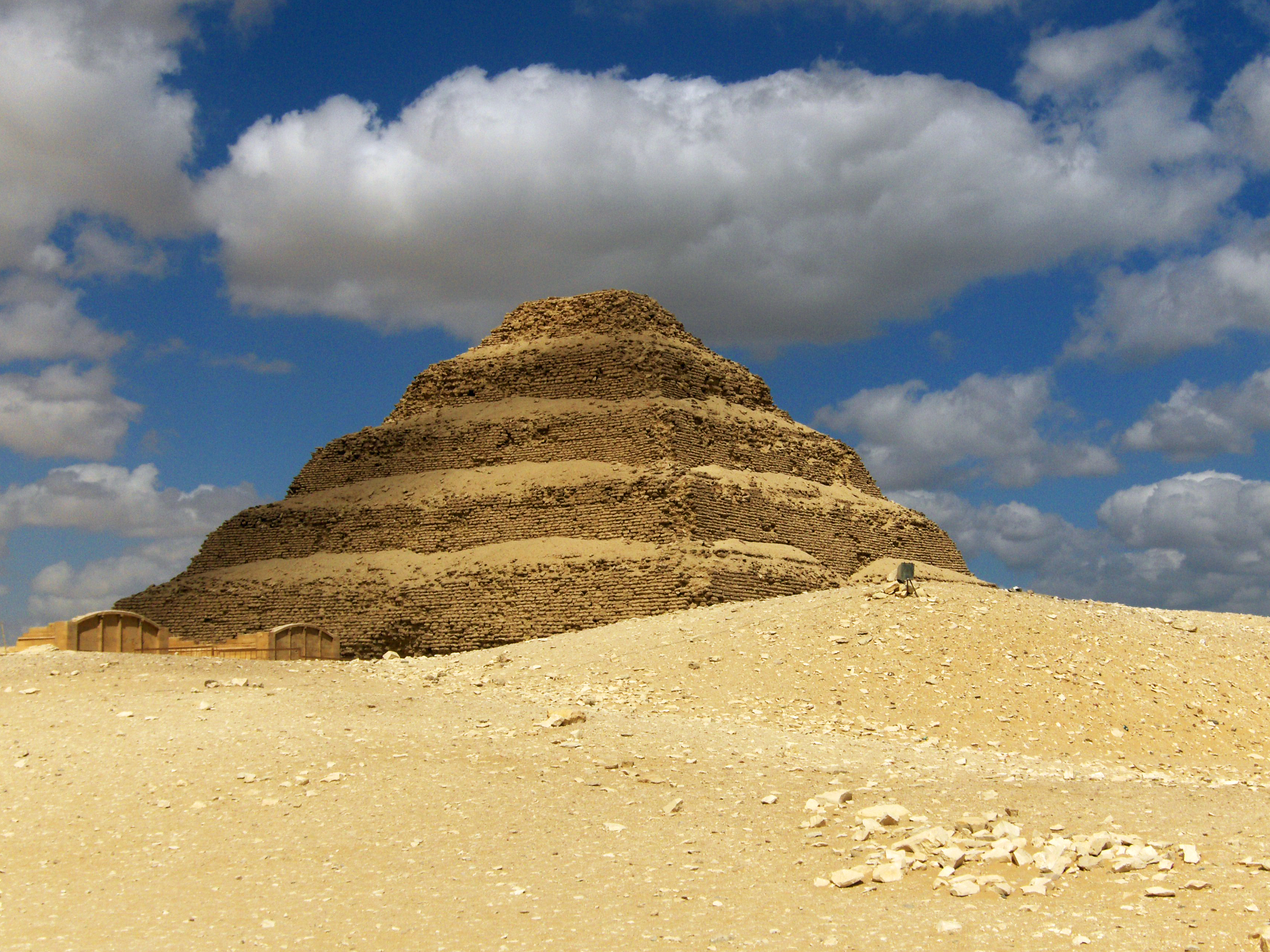

Stepping into the past at the Pyramid of Djoser, you encounter not just a monumental tomb, but a pivotal chapter in ancient Egyptian history. Erected during the 27th century BC, this impressive structure, standing at a staggering 62 meters tall, marks a significant shift in architectural innovation. Commissioned by Pharaoh Djoser, the pyramid was designed by the brilliant architect Imhotep, who is often credited with laying the groundwork for subsequent monumental stone architecture in ancient Egypt.
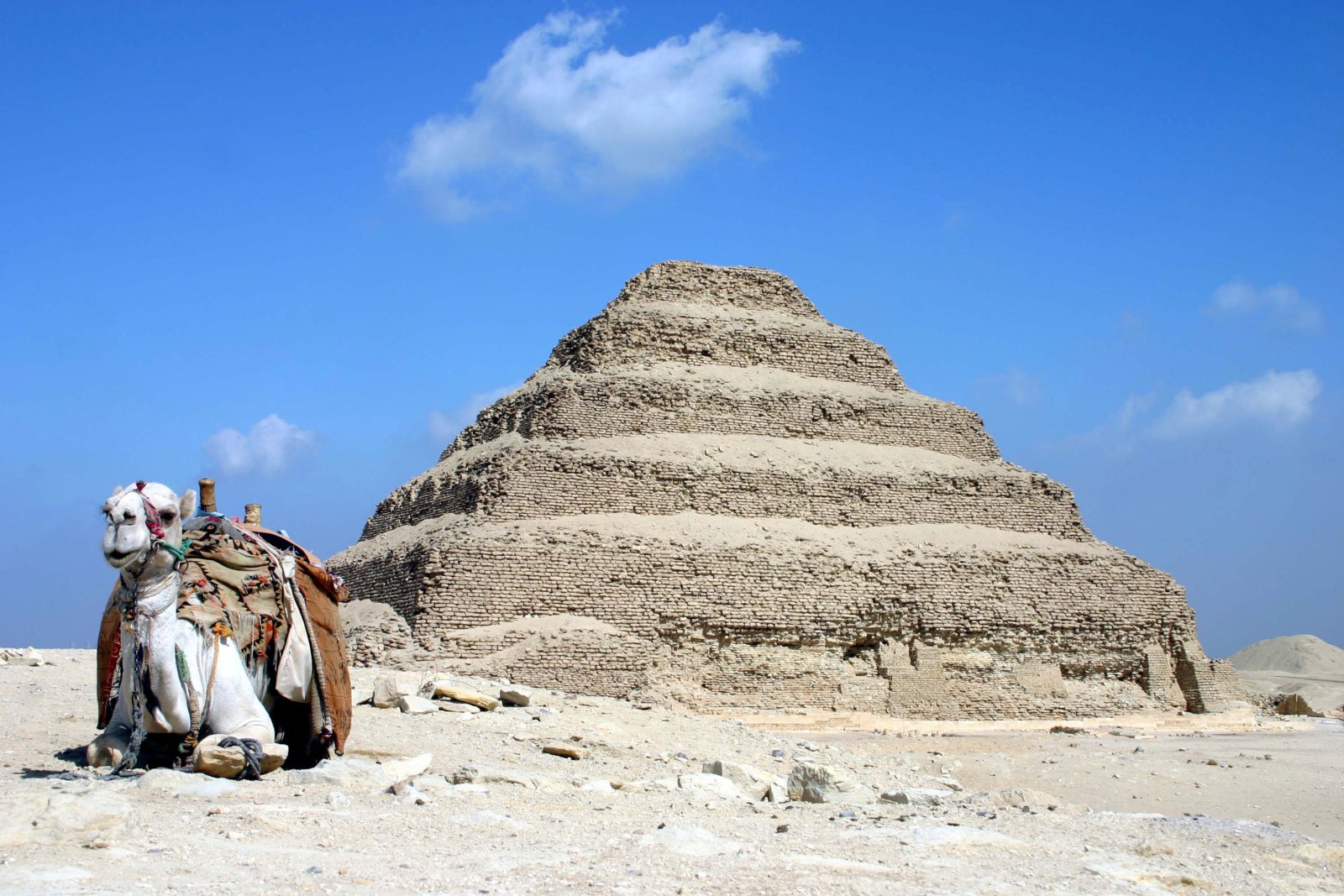
The Pyramid of Djoser, located in Saqqara—a sprawling necropolis situated around 30 kilometers south of Cairo—is recognized as the oldest cut stone building in existence. This remarkable structure is not merely a burial site; it is an architectural masterpiece that exemplifies the evolution of pyramid construction, transitioning from simple mastabas to the grandeur of the true pyramid shape we associate with pharaohs today.
History and Origins The Pyramid of Djoser was constructed as part of an expansive funerary complex that included temples, courtyards, and smaller pyramids. Djoser, the second king of the Third Dynasty, ruled for about 19 years, and his reign is often marked by significant advancements in culture and technology. The pyramid itself is surrounded by a massive wall, symbolizing the eternal protection for the pharaoh’s journey into the afterlife. Archaeological evidence suggests that the site has been in use for thousands of years, continuing to captivate the minds of historians and archaeologists alike.
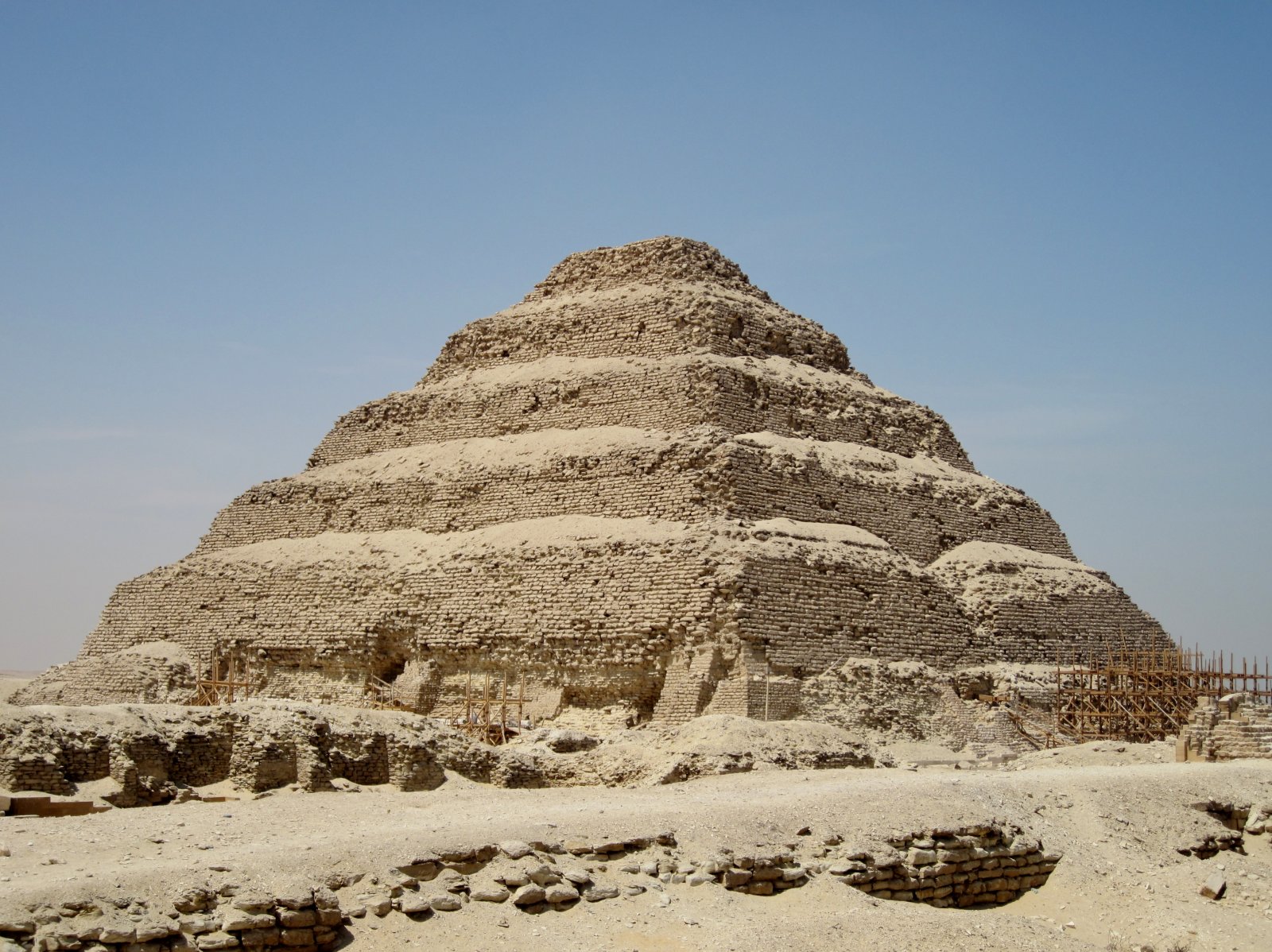
Art and Architecture The architectural style of the Pyramid of Djoser is characterized by its stepped design, featuring six tiers that lead up to a rectangular base. This innovative approach marked a departure from the flat-roofed mastabas that preceded it. The pyramid is surrounded by an intricate complex of serdabs—small chambers that housed statues of the king—and numerous storied structures, showcasing the artistic achievements of the time.
Inside the pyramid lies a labyrinth of underground passages and chambers stretching a remarkable 5.6 kilometers. These hidden routes were designed to thwart tomb robbers and protect the pharaoh’s treasures for eternity. The walls of these passages are often adorned with hieroglyphics and carvings that provide insights into the beliefs and practices of ancient Egyptians, adding to the artistic significance of this monumental site.
Local Culture and Traditions The region surrounding the Pyramid of Djoser is steeped in local customs and a vibrant cultural heritage. Saqqara is not just a tourist destination; it is a living monument to ancient Egyptian traditions that continue to influence modern Egyptian life. Local festivals often celebrate historical events, and the community engages in storytelling that honors the legacies of their ancestors. Visiting during significant festivals can offer a glimpse into the rich tapestry of traditions that have thrived in this area for millennia.
Gastronomy A visit to the Pyramid of Djoser wouldn’t be complete without sampling the local cuisine, which reflects the flavors of Egyptian gastronomy. Traditional dishes such as koshari—a hearty mix of rice, lentils, and pasta topped with a spicy tomato sauce—are popular street food choices. You can also indulge in ful medames, a dish made from fava beans, often served with bread and vegetables. To wash it down, try a refreshing glass of karkadeh, a hibiscus tea that is both delicious and deeply rooted in Egyptian culture.
Lesser-known Curiosities Few visitors are aware that the Pyramid of Djoser may have influenced other famous pyramids that followed, including the Great Pyramid of Giza. Additionally, many tourists miss the remarkable Step Pyramid Museum, located nearby, which houses artifacts and detailed information about the pyramid's construction and the life of Pharaoh Djoser. Another intriguing fact is that the pyramid was once encased in fine white limestone, reflecting the sun and giving it a dazzling appearance that has long since eroded away.
Practical Visitor Information The best time to visit the Pyramid of Djoser is during the cooler months from October to April. This period offers more comfortable temperatures for exploration. When planning your visit, consider a guided tour to gain deeper insights into the historical significance of the site. Don't forget to look for the serdab chambers and the numerous hieroglyphics within the pyramid's labyrinthine passages—these details are key to understanding the beliefs of the ancient Egyptians.
With its rich history, architectural innovations, and vibrant local culture, the Pyramid of Djoser stands as a testament to the ingenuity of ancient civilizations. As you wander through this architectural wonder, take a moment to reflect on the countless lives that have been shaped by its grandeur. To ensure you experience the best of this incredible site, consider using the Secret World app to create a personalized AI itinerary for your visit.


