
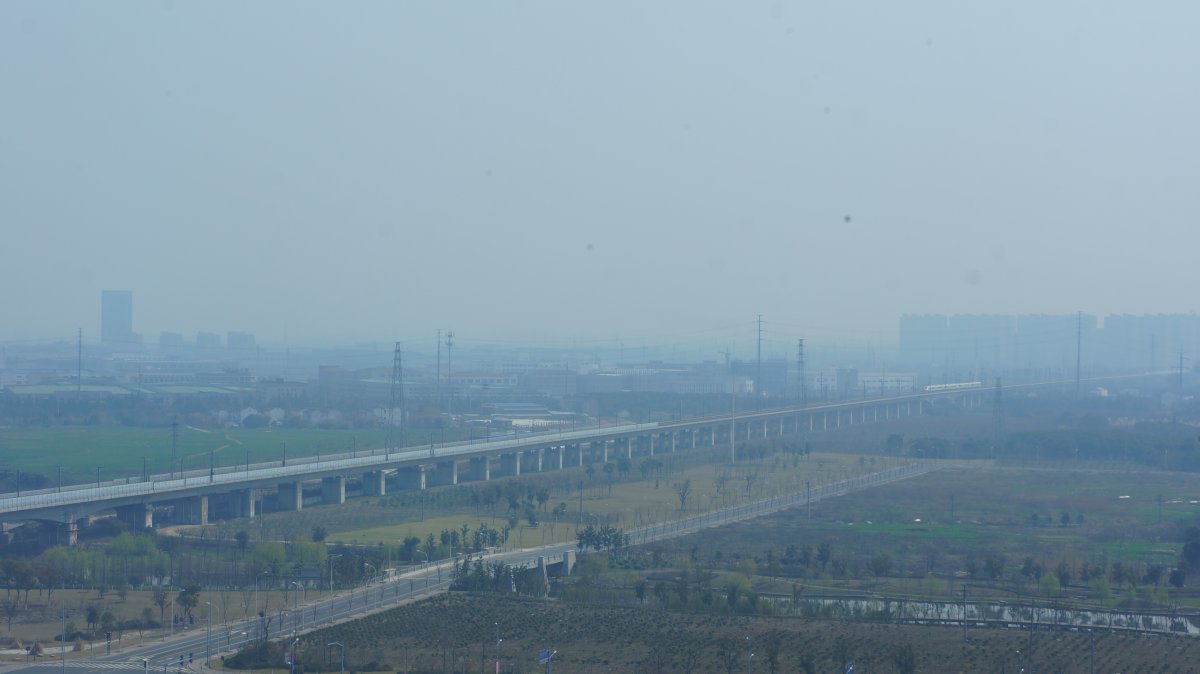

In the heart of China, where modernity embraces tradition, stands an engineering work that is a true symbol of connection: the Danyang-Kunshan Viaduct. This massive bridge is not only an incredible architectural achievement but also a privileged passage to explore a landscape rich in history and natural beauty. Often overlooked by tourists visiting famous Chinese attractions, the viaduct offers a breathtaking view of one of the most picturesque sections of the Grand Canal, the longest artificial canal in the world.
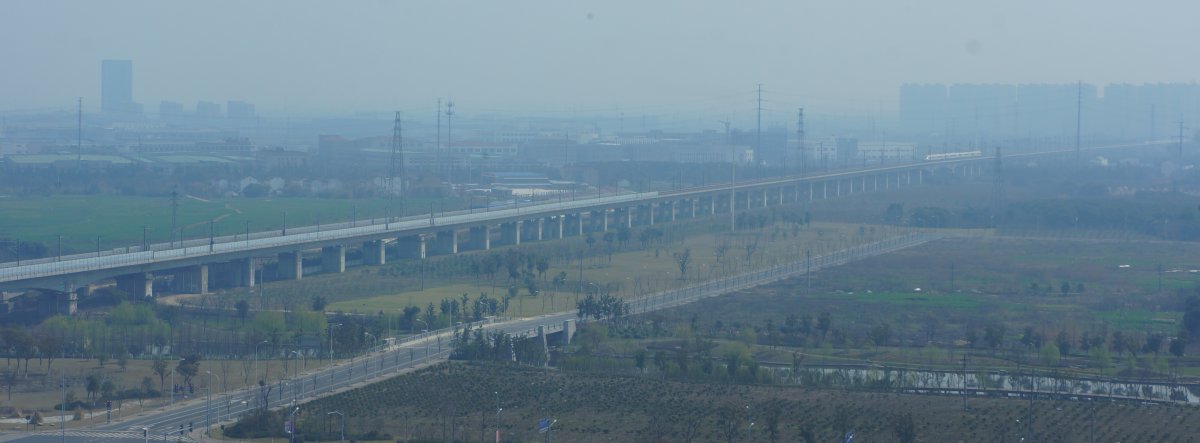
The Danyang-Kunshan Viaduct, with its 164.8 kilometers in length, is part of the high-speed rail network that connects Beijing to Shanghai. During the journey, passengers can enjoy enchanting scenery: rice paddies stretching as far as the eye can see, traditional villages, and the serpent of the Grand Canal winding through the hills. But there is more: beyond its record length, this bridge is a gateway to a cultural and natural heritage that deserves to be discovered.
An Unprecedented Engineering Work
Built between 2006 and 2010, the Danyang-Kunshan Viaduct was designed to withstand strong earthquakes and tropical storms, demonstrating Chinese engineering mastery. The structure is supported by columns up to 30 meters high and designed to minimize environmental impact, an aspect that has garnered admiration worldwide. This bridge is a perfect example of how technological innovation can harmoniously integrate with the landscape.
Every day, thousands of trains cross this viaduct, bringing travelers from every corner of China. But for those who stop and observe, the viaduct reveals a charming panorama. The lush green rice paddies, which change color with the seasons, offer a visual spectacle that captures the soul. And if one pays attention, it is possible to glimpse the small villages, with their brick houses and characteristic local markets, overlooking the canal.
The Grand Canal: A Historic Waterway
The Grand Canal, which stretches over 1,700 kilometers, is one of the oldest hydraulic engineering works in the world and has played a crucial role in the history of China. Built in several phases starting from the 5th century BC, it facilitated the transport of goods and people between the northern and southern regions of the country. Today, as the viaduct looms over the canal, it is possible to reflect on its historical and cultural significance.
The section of the Grand Canal that lies beneath the viaduct is particularly fascinating. With its calm waters reflecting the sky, it is an ideal place for a walk or a boat ride. Many visitors choose to explore this stretch by canoe, immersing themselves in the surrounding natural beauty. The banks of the canal are dotted with ancient trees and colorful flowers, creating an atmosphere of tranquility and contemplation.
Discovering the Local Culture
A trip to the Danyang-Kunshan Viaduct would not be complete without a taste of the local culture. In the surrounding area, you can find bustling markets and restaurants serving typical dishes of Jiangsu cuisine. Among the most famous are steamed dumplings, fish soups, and fresh fruit desserts. The rich and authentic flavors invite you to immerse yourself in Chinese culinary tradition and discover the stories behind each dish.
Moreover, the region offers numerous opportunities for cultural exploration. Just a few kilometers from the viaduct are the famous Suzhou Gardens, a UNESCO World Heritage site, which represent the art of Chinese gardening. Here, visitors can admire serene ponds, elegant pavilions, and the fragrance of flowers blooming in every season. A perfect complement to the journey on the viaduct, where nature and culture intertwine in a harmonious embrace.


