
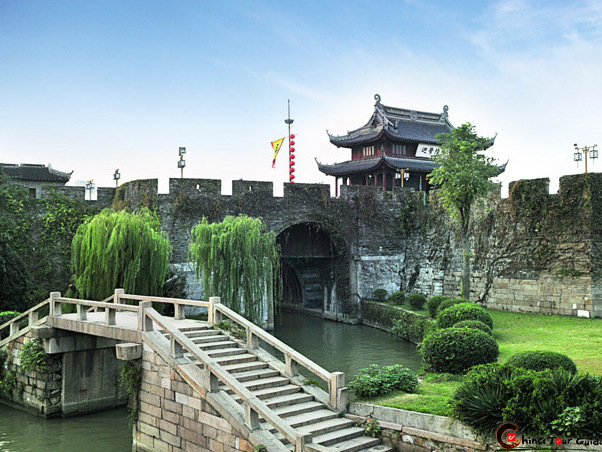

Nestled in the heart of Suzhou, Panmen Gate stands as the oldest city gate in this picturesque city, a testament to its rich history and architectural grandeur. This iconic structure is unique not only for its age but also as the only surviving water and land gate in China. Perched at the south-west corner of the Main Canal Suzhou, it offers a portal into the past, inviting visitors to explore over 2,500 years of history.
History and Origins
The origins of Panmen Gate date back to the Warring States Period, during the reign of the state of Wu (circa 5th century B.C.). Its strategic position allowed it to serve as a crucial point of entry into the ancient city of Suzhou, safeguarding it against intruders. The gate's architecture reflects the military ingenuity of the time, featuring two water passages and three land passages designed for both trade and defense.
Historically significant events unfolded around this gate, including the Battle of Wu and Yue, where the state of Wu vanquished its rivals, solidifying its dominance in the region. The gate also witnessed the city’s evolution, from a military stronghold to a cultural hub, underscoring its role in Suzhou’s storied past. As part of the ancient city wall constructed in 514 B.C., Panmen Gate was the sole entrance through which merchants and travelers entered ancient Suzhou, making it a vital artery of commerce and culture.
Art and Architecture
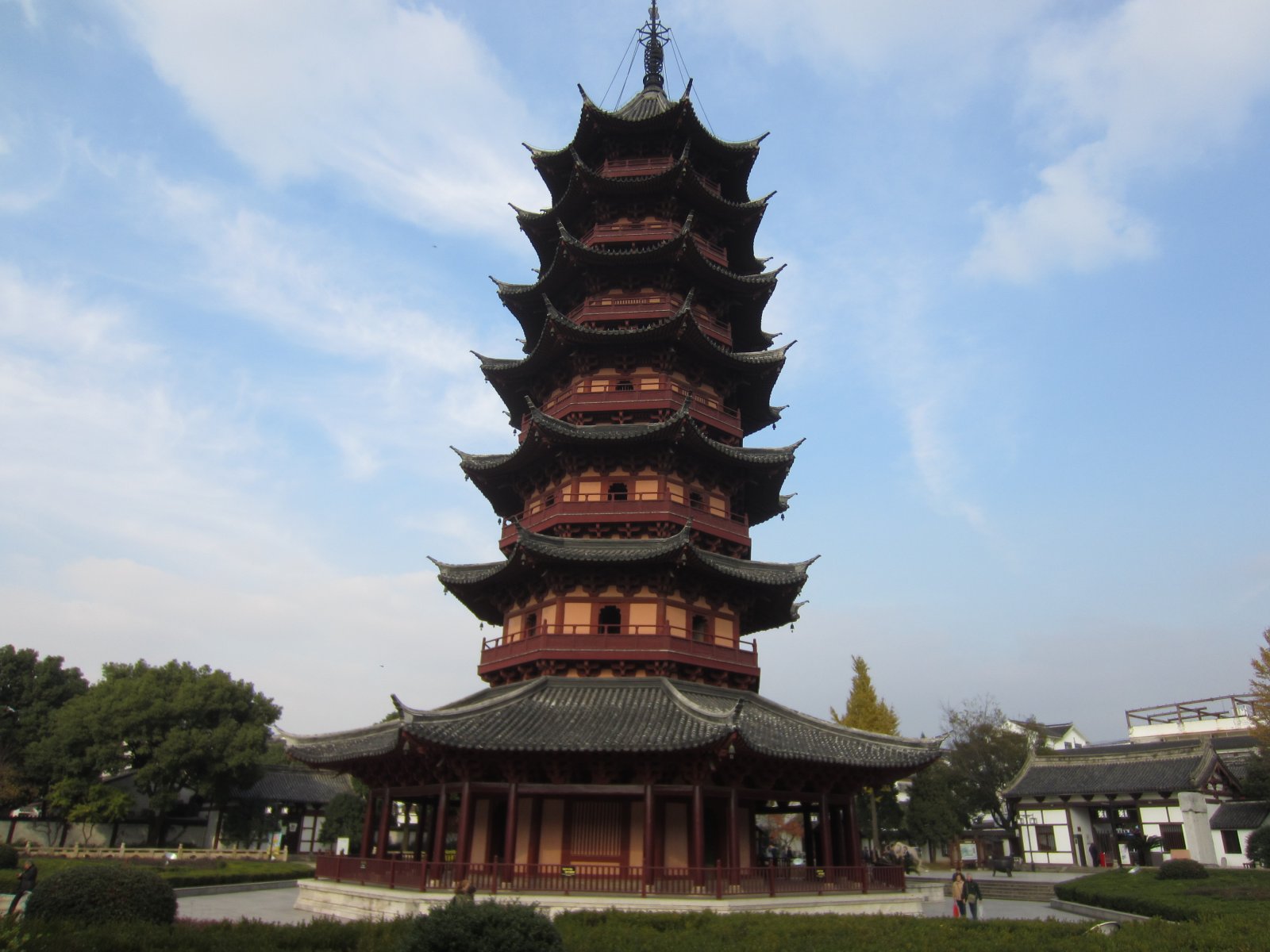
Architecturally, Panmen Gate embodies the principles of ancient Chinese design, exemplifying a harmonious blend of functionality and beauty. The structure features a robust stone foundation, crafted using local materials, showcasing intricate carvings that tell stories of the past. Its impressive Ruiguang Pagoda, constructed around the same time, rises nearby, creating an enchanting skyline.
The Wu Bridge, which connects the gate to the surrounding area, was the highest bridge in Suzhou during its construction. This beautiful stone bridge, adorned with delicate carvings, adds an artistic flair to the landscape. Every detail of the gate and its surroundings reflects the Southern Chinese architectural style, characterized by elegance and simplicity, making it a fascinating subject for enthusiasts of art and history.
Local Culture and Traditions
The cultural significance of Panmen Gate extends beyond its historical role; it serves as a cultural touchstone for the locals. Every year, during the Suzhou Lantern Festival, celebrations light up the area surrounding the gate, drawing crowds who come to partake in traditional performances, admire the colorful lanterns, and enjoy local delicacies. This festival, deeply rooted in local customs, highlights the community’s connection to their heritage.
The gate is also an embodiment of local legends, with stories passed down through generations. One such tale speaks of the gate’s role in protecting the city from invaders, reinforcing the belief that the spirits of past guardians still watch over Suzhou.
Gastronomy
A visit to Panmen Gate is incomplete without indulging in the region's culinary delights. Suzhou is famed for its sweet and savory dishes, and nearby eateries offer a variety of local specialties. Suan Ni Bai Rou (sliced pork belly with garlic sauce) and Yang Cheng Lake crab are must-tries for food enthusiasts. Pair your meal with a cup of Suzhou’s famous osmanthus tea, known for its fragrant aroma and soothing properties, providing a perfect complement to the local flavors.
Street vendors around the gate serve up Tang Bao (soup dumplings), which burst with savory broth, a perfect snack while exploring the area. The combination of historical ambiance and culinary experience creates a delightful tapestry of culture and flavor that captivates every visitor.
Lesser-known Curiosities
While many flock to Panmen Gate for its historical significance, some hidden gems lie in its shadow. For instance, few know that the gate was once part of a larger network of walls and gates that fortified Suzhou, with remnants still visible in various parts of the city. Moreover, the surrounding gardens, once reserved for the elite, are now accessible to the public, offering tranquil spots for reflection amidst the bustling city.
Another curiosity is the gate's connection to ancient trade routes, where merchants would exchange not just goods but ideas and culture, fostering a rich tapestry of interactions that shaped the region’s heritage. These lesser-known stories add depth to the experience, inviting visitors to delve deeper into the gate’s past.
Practical Visitor Information
The best time to visit Panmen Gate is during the spring and autumn months when the weather is mild, making for a pleasant exploration experience. Early morning visits allow for quieter moments to appreciate the architecture and take in the serene atmosphere, especially before the hustle and bustle of tourists.
When you arrive, be sure to look for the inscriptions on the stones of the gate, which provide insights into its historical significance. Engaging with local guides can also enhance your understanding, as they often share anecdotes and stories not found in guidebooks.
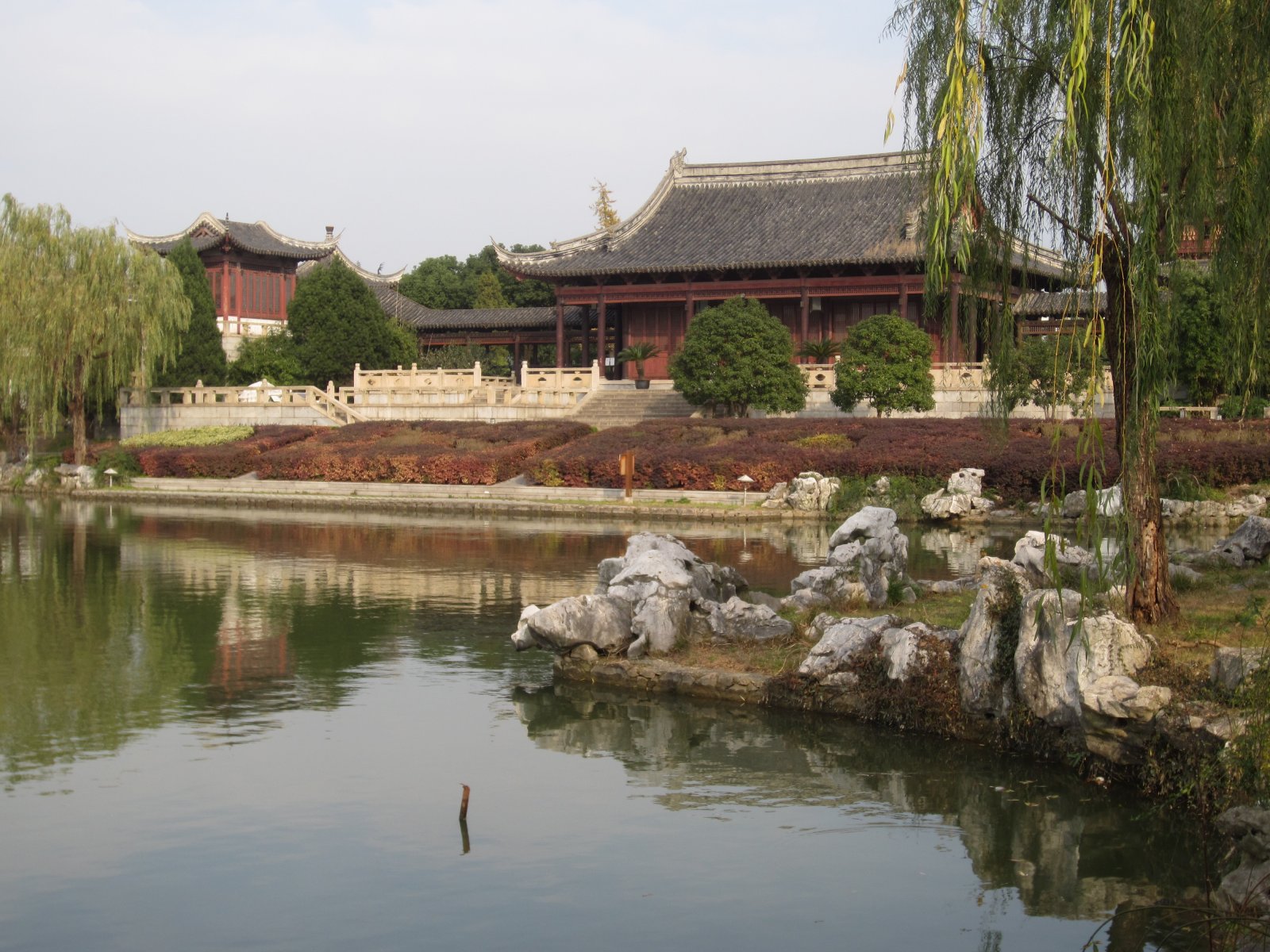
To truly experience the allure of Suzhou and Panmen Gate, consider exploring the surrounding gardens and waterways that reflect the city's rich heritage and natural beauty.
In conclusion, Panmen Gate is more than just an entrance; it is a living testament to Suzhou's history, culture, and artistry. For a personalized journey through this captivating city, consider using the Secret World app to plan your itinerary.


