← Back

Dattilo and the Oversize Sicilian Cannolo

91027 Dattilo TP, Italia ★★★★☆ 219 views
Manila Penn
Dattilo
🏆 AI Trip Planner 2026

Get the free app

Discover the best of Dattilo with Secret World — the AI trip planner with 1M+ destinations. Get personalized itineraries, hidden gems and local tips. Free on iOS & Android.

🧠 AI Itineraries 🎒 Trip Toolkit 🎮 KnowWhere Game 🎧 Audio Guides 📹 Videos
Scan to download iOS / Android
Scan for AppGallery Huawei users

About Dattilo and the Oversize Sicilian Cannolo

Dattilo and the Oversize Sicilian Cannolo - Dattilo | Secret World Trip Planner

In Dattilo, a hamlet in the municipality of Paceco (Trapani), the art of pastry making and the production of the Sicilian cannolo has become so specialized that it is known throughout the island.

Dattilo and the Oversize Sicilian Cannolo - Dattilo | Secret World Trip Planner

It was originally a traditional island carnival dessert, but its goodness, with the passage of time, has lost this aspect to become an example of Italian pastry art in the world.

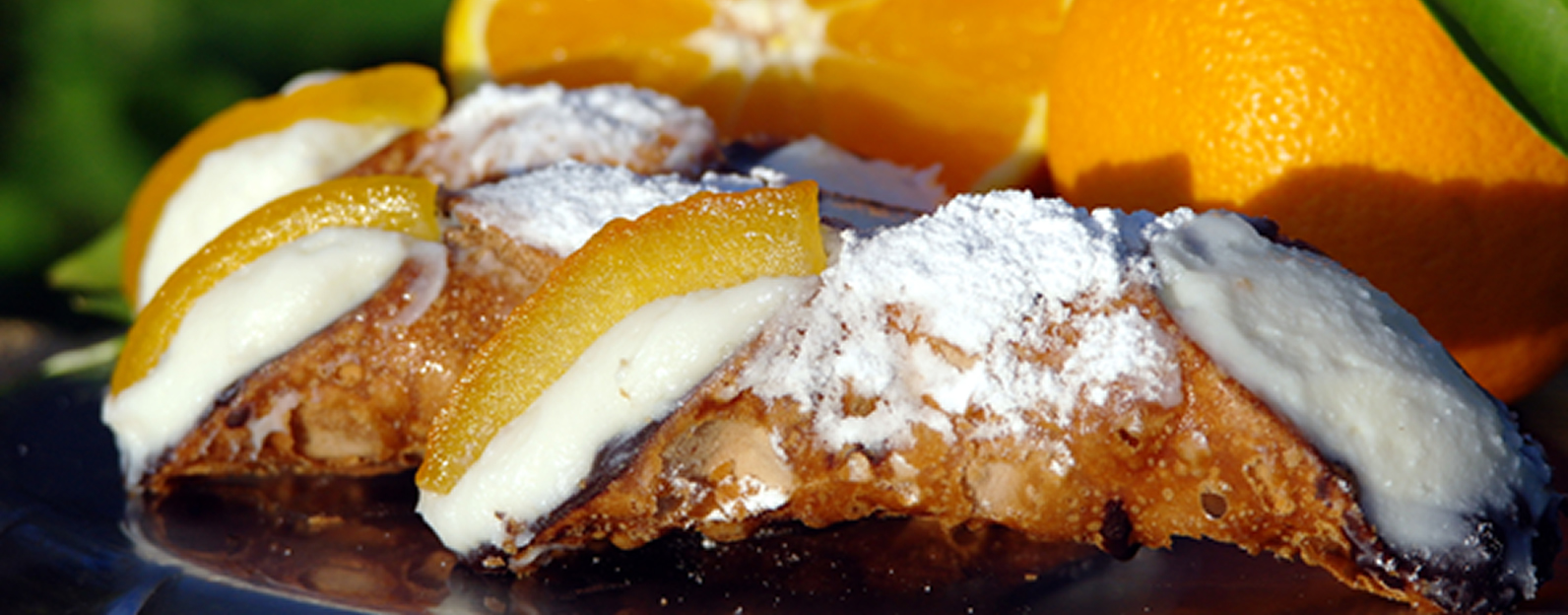
Their origin is quite ancient; Cicero already spoke of them in Roman times; it is made of a 15-20 cm long wafer of fried dough called scòrza, with a diameter of 4-5 cm, filled with a dough made of sheep's milk ricotta. For the zest, small disks of dough are formed from wheat flour, wine, sugar, and which are rolled on small metal tubes and then fried in lard or oil.
Dattilo and the Oversize Sicilian Cannolo - Dattilo | Secret World Trip Planner

At one time the dough was rolled on small cylinders made by cutting out river reeds, which gave the dessert its name.

The traditional filling consists of sifted and sweetened sheep's milk ricotta, to which candied fruit and sometimes chocolate chips are added, before a dusting of powdered sugar.

It is important that cannoli are filled at the time of eating because, as time passes, the moisture of the ricotta is absorbed by the wafer causing it to lose its crispness.

To avoid this, some pastry chefs coat the inner surface of the cannoli with melted chocolate: in this way, the wrapper does not get soaked remaining crispy for longer.

The preparation of the Cannolo and its wrapping (zest or scorcia, in Trapanese dialect) is secret and jealously guarded by each producer. - See more at: http://www.mondodelgusto.it/prodotti/2542/cannoli-dattilo-trapani#sthash.v5PkVtwx.dpuf

🗺 AI Trip Planner 2026

Plan your visit to Dattilo

Suggested itinerary near Dattilo and the Oversize Sicilian Cannolo

MAJ+
500.000+ travelers worldwide
  1. 🌅
    Morning
    Dattilo and the Oversize Sicilian Cannolo
    📍 Dattilo
  2. ☀️
    Afternoon
    Trapani: La fontana di Saturno
    📍 12.4 km · Dattilo
  3. 🌆
    Evening
    Sicily: Mount Cofano Nature Reserve
    📍 15.3 km · Dattilo

Buy Unique Travel Experiences

Powered by Viator

See more on Viator.com

Explore nearby · Dattilo

Frequently Asked Questions

Dattilo is a small hamlet located in the municipality of Paceco in the Trapani province of Sicily. It's easily accessible from Trapani city, which has excellent transportation connections; you can reach it by car or local buses that connect to the Paceco area.
Dattilo is renowned throughout Sicily for its specialized and perfected art of cannolo production, producing oversized versions that have become an example of Italian pastry art worldwide. Each producer in Dattilo jealously guards their own secret recipe and wrapping techniques, making their cannoli unique and highly sought after.
The traditional filling consists of sifted and sweetened sheep's milk ricotta, combined with candied fruit and sometimes chocolate chips, all dusted with powdered sugar. The crispy shell is made from fried dough rolled on metal tubes, with some artisans coating the inner surface with melted chocolate to keep it crispy longer and prevent the ricotta moisture from soaking through.
Cannoli must be filled at the time of eating because the moisture from the ricotta filling is gradually absorbed by the wafer, causing it to lose its essential crispness. This is why visiting Dattilo and enjoying freshly-prepared cannoli directly from local pastry shops ensures you experience them at their absolute best.
The origins of cannoli are remarkably ancient, with the Roman orator Cicero already mentioning them during Roman times. Originally a traditional carnival dessert, they have evolved over centuries into the refined pastry art form celebrated today, with the dessert's name derived from the small river reeds that were historically used as rolling cylinders.
