
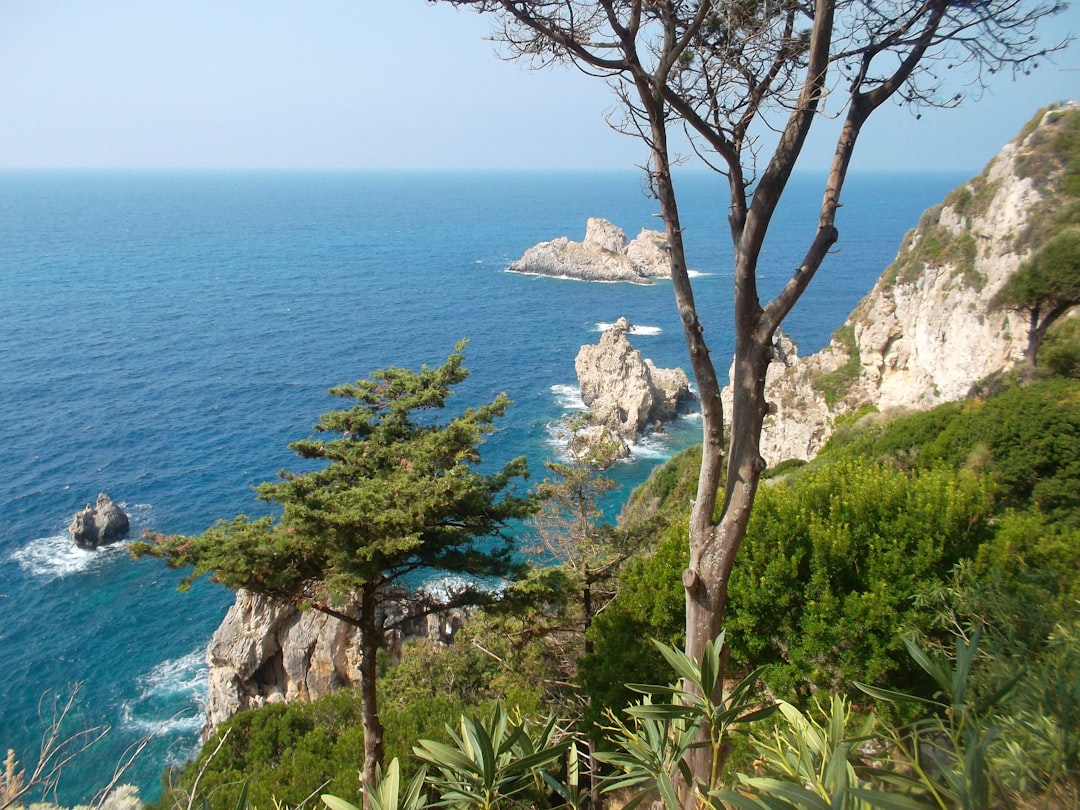

The wind blows steadily from the Mediterranean as you approach the edge. There is no railing, no fence, just honey-colored limestone that abruptly ends in the void. Below, 250 meters down, the sea changes shades every minute as the sun descends toward the horizon. The Dingli Cliffs, the highest point in Malta, offer one of those rare spectacles where nature needs no theatrical assistance.
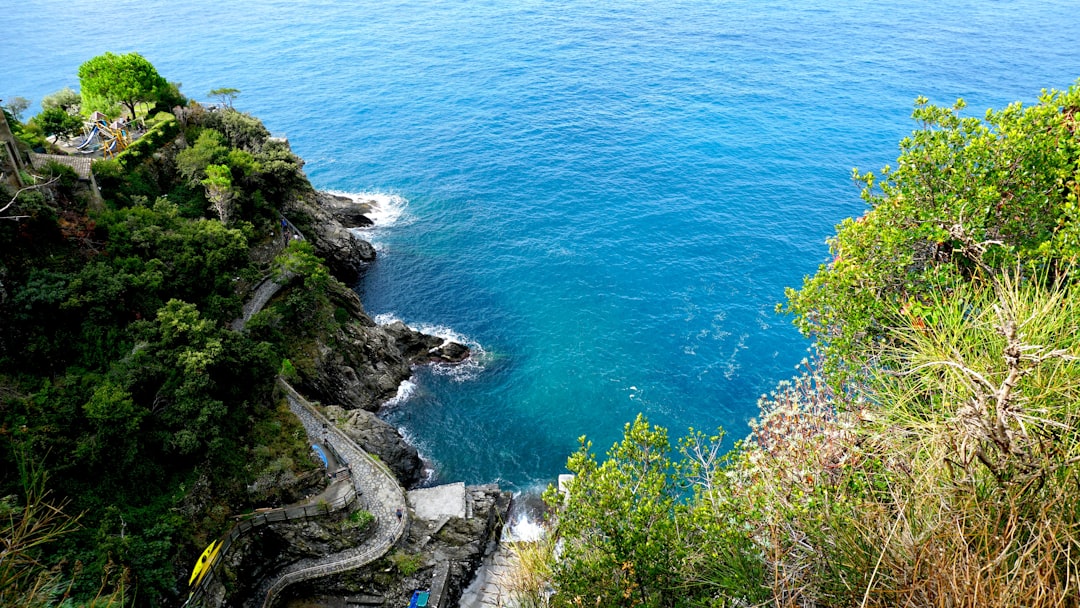
Malta is a small and densely populated island, but here, just a few kilometers from the village of Dingli, in the central-western part of the island, the landscape suddenly becomes wild. The plateau that drops steeply to the sea is dotted with agricultural terraces cultivated for centuries, twisted olive trees, and capers growing among the stones. And then, suspended in the water about 5 kilometers from the coast, Filfla appears: an uninhabited, dark, and silent islet that at sunset becomes a perfect silhouette against the orange sky.
The freest sunset in Malta
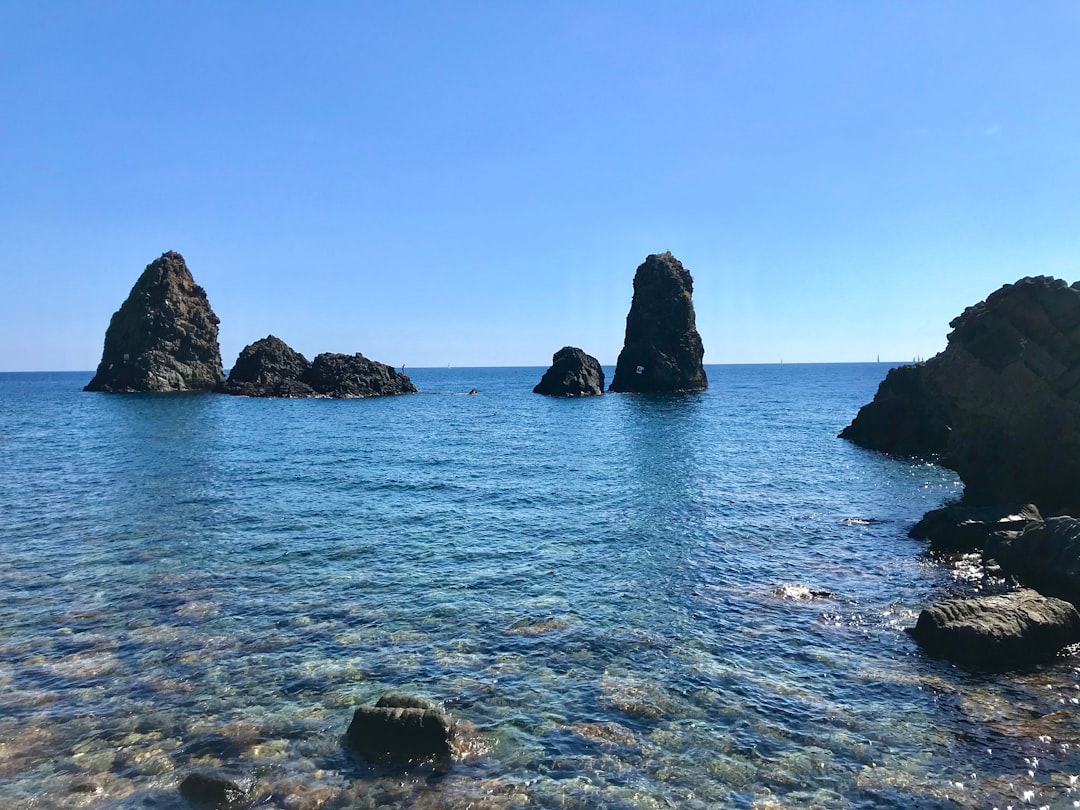
What makes the Dingli Cliffs unique in the Maltese landscape is the total absence of obstacles to the west. There are no buildings, there are no tall trees, there are no other land masses on the horizon until the Tunisian coast. The sun sets directly over the open sea, and Filfla — protected as a nature reserve and inaccessible to the public — transforms into a natural backdrop of extraordinary visual effectiveness. The slanting light of the last hour of the day colors the limestone walls of the cliff in shades ranging from gold to deep pink, making each visit different from the last.
The best time to arrive is about one hour before sunset, when the side light enhances the texture of the rock and the agricultural terraces appear painted. Many visitors simply sit on the edge of the plateau, at a safe distance from the cliff, and wait in silence. It is not a place where one is in a hurry.
How to get there and how much time to dedicate
Dingli can be easily reached by car or scooter from Valletta in about 30-40 minutes, traveling along secondary roads that cross the Maltese countryside. Alternatively, Malta's public bus service serves the area, although the stops require a short walk of a few minutes to the edge of the cliffs. There is no official equipped parking, but the space along the road is generally sufficient.
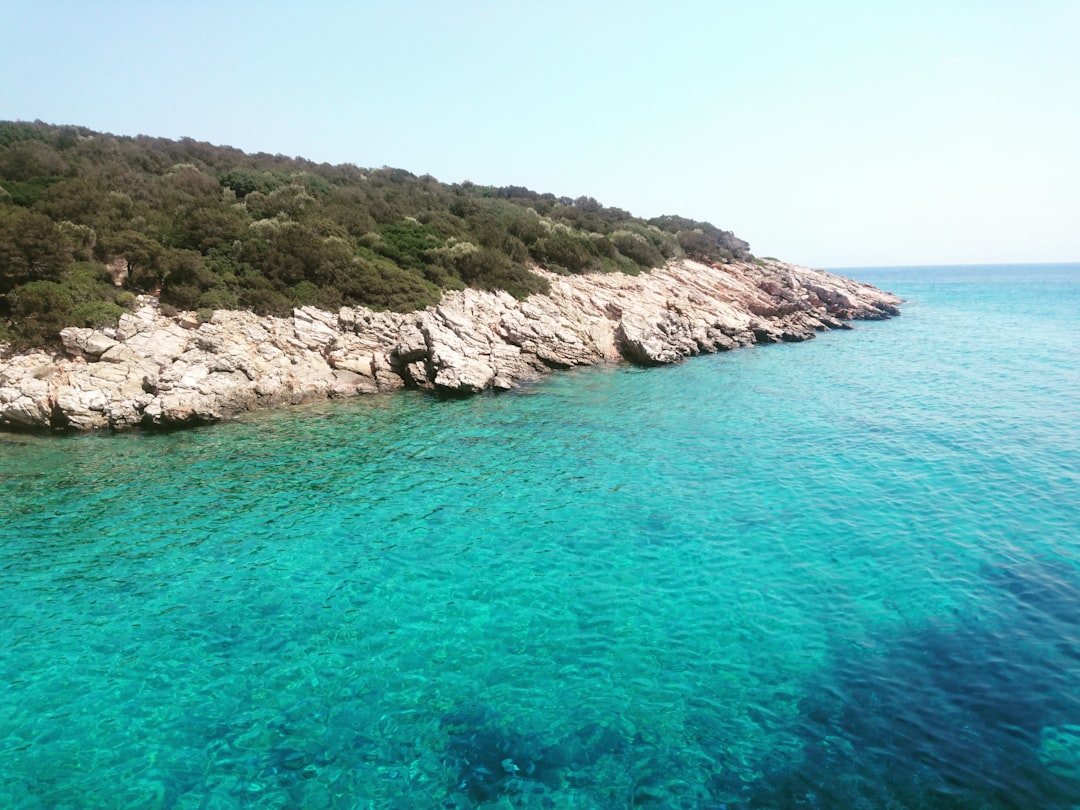
The minimum time to enjoy the sunset is about one and a half hours, but those who love to walk can take the path that runs along the cliffs to the north, towards the village, passing by the Chapel of St. Mary Magdalene, a small rural church that appears on historical maps of the island as early as the medieval period and represents one of the few visible architectural elements along the edge. The scenic walk can last two or three hours depending on how long one stops.
What to observe on site
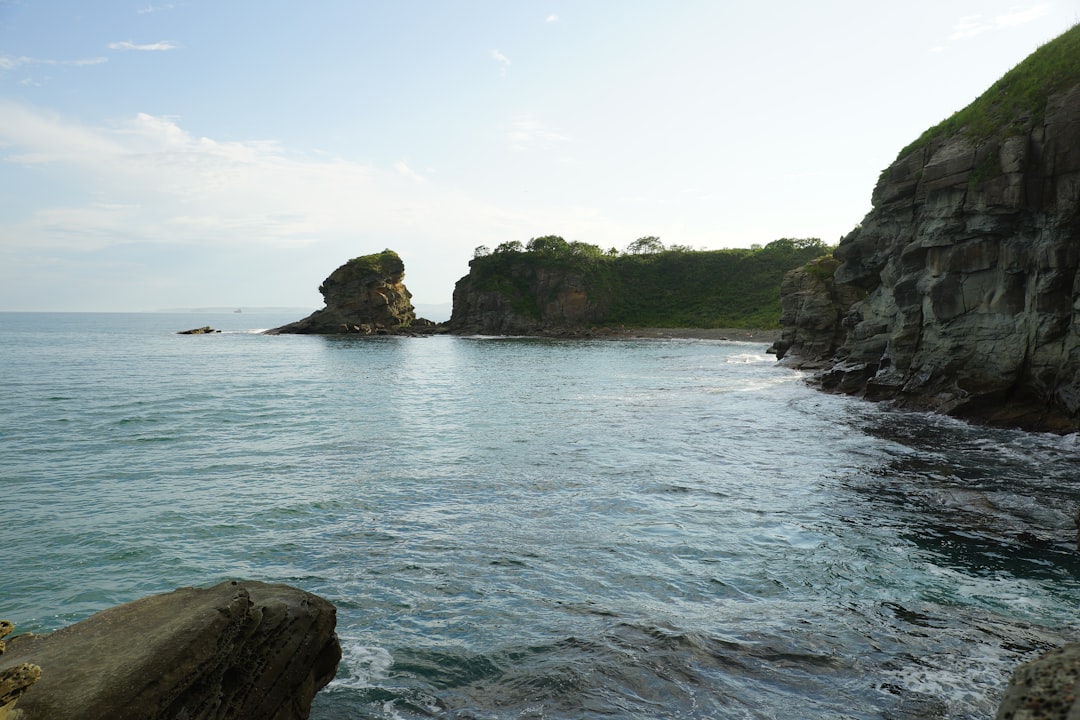
As you approach the edge, the layering of the limestone rock is immediately noticeable: overlapping levels of stone that tell millions of years of marine sedimentation. The same stone, the franka and the gebel, has been used to build almost every building in Malta, and seeing it in its natural form, before it became architecture, gives a different perspective on the entire island. In the cracks of the rock, plants adapted to wind and drought grow, and in spring, the Mediterranean scrub blooms with surprising colors.
Filfla, the islet visible in the distance, measures just half a square kilometer and is now a protected nature reserve, a habitat for seabirds including the Corsican gull. For many decades in the twentieth century, it was used as a target for military exercises, and for this reason, access is still prohibited to the public. Knowing this history while watching it at sunset adds an unexpected layer of melancholy.
Practical tips for the visit
Bring something to sit on: the ground is uneven and rocky, and there are no benches or facilities of any kind along the edge. Avoid days with strong winds, which are common in winter and spring, because the gusts can be violent and the lack of protections makes the edge dangerous. Entrance is free and without charge, there is no ticket office or closing time. In summer, from June to August, sunset occurs late — even after 8:30 PM — so it is possible to have dinner first and arrive on time without giving up daylight. Bring water, as there are no bars or shops open continuously in the immediate vicinity.


