


In the heart of Cusco, Peru, stands Coricancha, also known as the Temple of the Sun, an archaeological site that represents an important testament to Inca culture. This extraordinary structure, dedicated to the solar god Inti, was a spiritual and political center of fundamental importance for the Inca Empire, which has left an indelible mark on the history of the country. Today, Coricancha is a must-visit destination for those wishing to explore the wonders of the past and understand the roots of one of the most fascinating civilizations in South America.
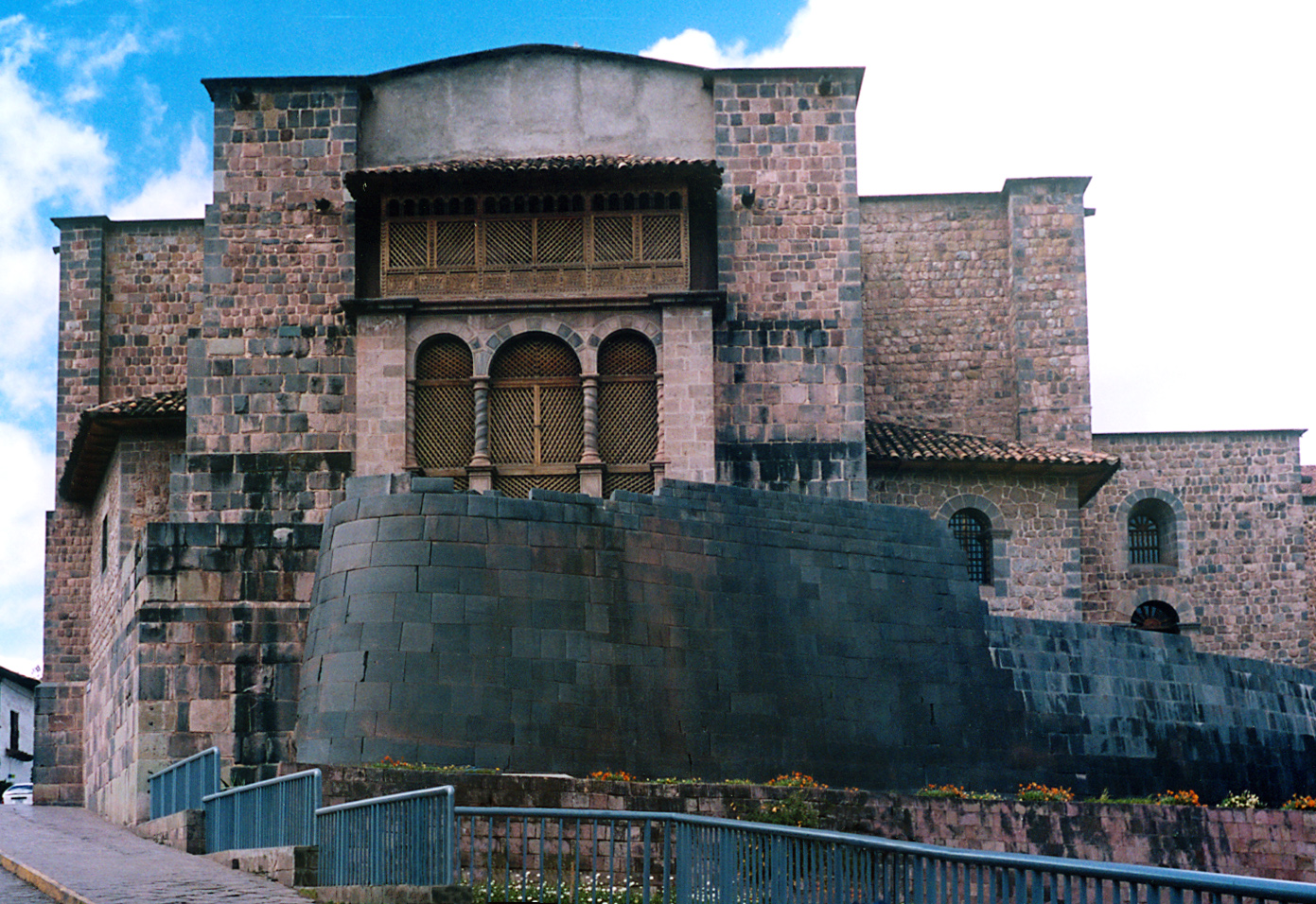
Coricancha is not only a place of worship but a symbol of the architectural sophistication of the Incas, who used advanced construction techniques to create this temple. Its history is marked by dramatic events, including the Spanish conquest in the 16th century, which led to the destruction of much of the original structure. However, what remains is a clear reflection of the greatness of a bygone era and the resilience of a culture that continues to live in the hearts and traditions of the Peruvian people.
History and Origins
Coricancha, whose name means 'golden court' in Quechua, was originally known as Intikancha or Intiwasi, dedicated to the sun god Inti. This temple was not only a place of worship but also the residence of the High Priest, who officiated sacrifices and religious rites with the help of other priests. The construction of Coricancha dates back to 1201 and, unfortunately, much of its structure was destroyed during the wars with the Spanish conquerors. The colonizers used the stones from the temple to erect their own churches, such as the Convent of Santo Domingo, built after the devastating earthquake of 1650 that destroyed the first Dominican structure.
The mastery of the Incas in stonework is evident in Coricancha, where the use of well-cut stone block masonry has made the construction particularly robust. Despite the destructions that have occurred over the centuries, the structure still retains elements that testify to the great skill of Inca architects and their deep connection with Andean cosmology. Coricancha thus represents not only a place of worship but also a symbol of the culture and spirituality of a people who have harmonized their lives with the forces of nature.
Elements to Observe
When visiting Coricancha, one can encounter extraordinary architectural and artistic works. Among the remains of the temple, one can notice the walls covered with perfectly cut stone, an example of the precision with which the Incas worked the materials. Furthermore, the contrast between Inca stones and Spanish colonial buildings offers an interesting perspective on the history and evolution of the city of Cusco. Visitors can also admire the remains of altars and niches that once housed statues of deities and sacred objects, making the experience even more fascinating.
Another element of great interest is the worship of the sun, which was at the center of Inca religious life. The ceremonies held at Coricancha were often accompanied by dances and ritual music, creating an atmosphere of sacredness and respect towards the deities. Today, the site continues to be a pilgrimage place for many, who come to pay homage to Inti and reflect on the rich history of their origins.
Why It Is Interesting Today
Today, Coricancha represents not only an important tourist attraction but also a symbol of the cultural resistance of the Peruvian people. Its history serves as a warning about the consequences of colonization and a call to the importance of preserving cultural heritage. Visiting Coricancha means immersing oneself in a complex narrative that intertwines the sacred and the profane, the past and the present, inviting visitors to reflect on their connection with Andean history and culture.
In an era where tourism can sometimes threaten the integrity of historical sites, Coricancha stands out as an example of how respect for cultural heritage can coexist with tourist interest. Its visit offers the opportunity to learn and appreciate the richness of Inca tradition, making it an unmissable landmark for anyone in Cusco.
Practical Information for Visitors
To visit Coricancha, it is advisable to plan ahead, as the site is very popular with tourists and locals alike. Opening hours may vary, so it is always good to check in advance. Entrance to the site is paid, and the funds collected are used for the conservation and maintenance of the temple, helping to preserve this important heritage for future generations.
During the visit, it is advisable to respect the rules of behavior and respect for the sacred place, avoiding touching or damaging the structures. Finally, to further enrich the experience, one might consider using apps like Secret World, which offer detailed information and fascinating stories about Coricancha and other historical sites in Cusco.


