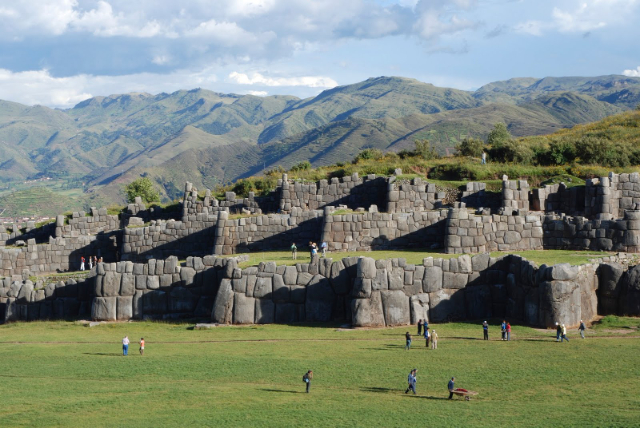

High in the Andes of Peru, overlooking the city of Cusco, the ancient citadel of Saksaywaman stands as a testament to the ingenuity and power of the Inca Empire. This magnificent site, with its colossal stone walls and breathtaking views, tells stories of a bygone era that continue to intrigue scholars and travelers alike.
### History and Origins The origins of Saksaywaman date back to around 1100 AD when it was initially constructed by the Killke culture. However, it was the Incas, from the 13th century onwards, who expanded it into the formidable fortress we see today. This site played a crucial role during the reign of Pachacuti, the ninth Inca ruler, who is often credited with transforming Cusco into the thriving capital of the Inca Empire. The citadel's strategic location made it a key battleground during the Spanish conquest of Peru. In 1536, it was the site of a significant battle where the Incas, led by Manco Inca, made a valiant stand against the Spanish forces.
### Art and Architecture Saksaywaman's architecture is a marvel of ancient engineering. The complex features massive stone walls constructed without mortar, with some stones weighing over 100 tons. These megalithic blocks were meticulously cut and fitted together with such precision that not even a sheet of paper can be inserted between them. The zigzagging walls are thought to symbolize the teeth of a puma, a sacred animal in Inca culture. The artistry involved in crafting such structures continues to amaze architects and historians today.
### Local Culture and Traditions The citadel remains a significant cultural symbol for the people of Cusco. It is the site of the annual Inti Raymi festival, a vibrant celebration of the winter solstice and the Inca sun god Inti. This festival, held every June 24th, draws thousands of visitors and locals who gather to witness traditional dances, colorful costumes, and rituals that have been passed down through generations.
### Gastronomy Cusco's culinary scene is deeply rooted in Andean traditions. Visitors to Saksaywaman can indulge in cuy (guinea pig), a traditional dish often served during festive occasions. Another local favorite is lomo saltado, a stir fry that combines marinated strips of sirloin with onions, tomatoes, and other ingredients, typically served with rice and potatoes. To complement these dishes, try chicha morada, a refreshing drink made from purple corn.
### Lesser-known Curiosities While the majestic stone walls of Saksaywaman are its most famous feature, the site harbors lesser-known treasures such as the Rods of the Inca. These are natural rock formations that resemble petrified trees, adding to the mystique of the area. There are also underground tunnels known as chincanas that are said to connect Saksaywaman with other parts of Cusco—though exploring these without a guide is not recommended.
### Practical Visitor Information The best time to visit Saksaywaman is during the dry season from May to September when the weather is clear and ideal for exploring. Early morning or late afternoon visits are recommended to avoid crowds and capture the site in the beautiful Andean light. Remember to bring sunscreen, a hat, and water, as the high altitude and sun can be intense.
For a truly personalized exploration of Saksaywaman and its hidden gems, consider using the Secret World app to craft your ideal itinerary.
