
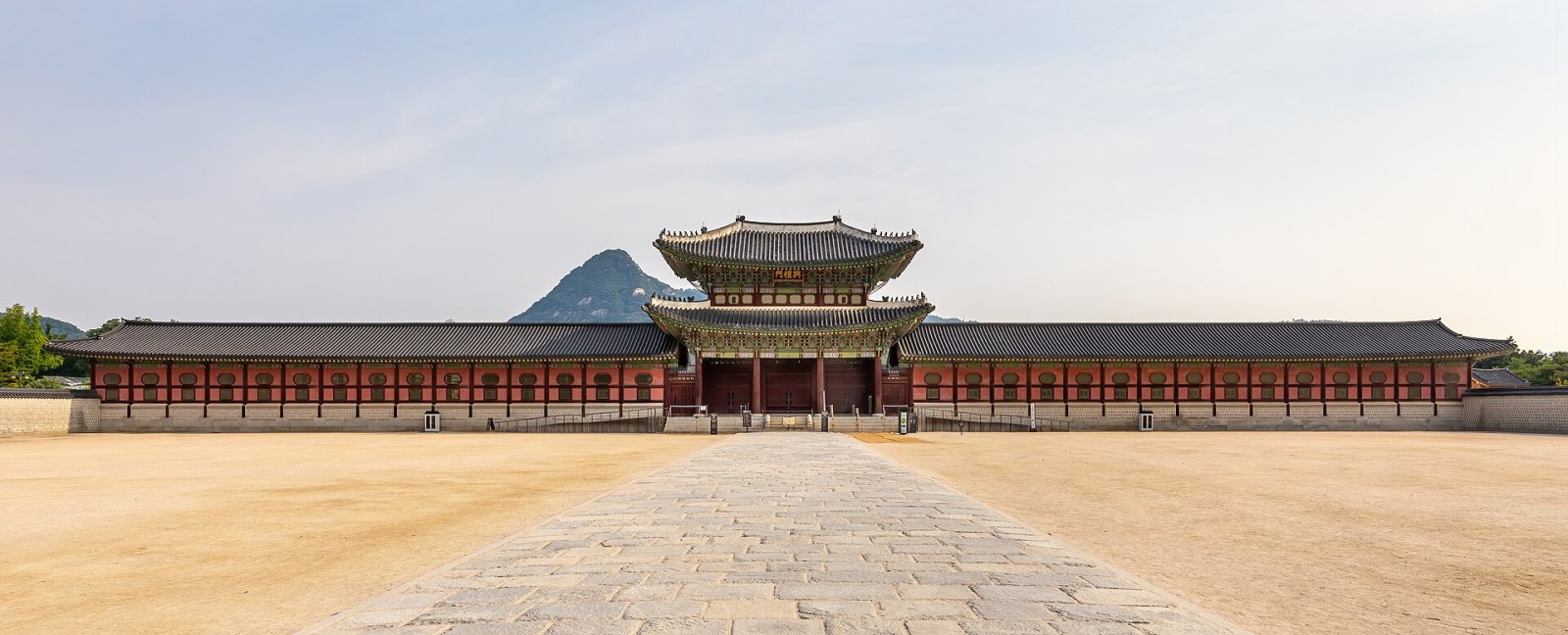

In the vibrant heart of Seoul, Gyeongbokgung Palace stands as a symbol of South Korea's rich history. Built in 1395, this extraordinary example of traditional Korean architecture has witnessed centuries of historical events, reflecting the power and culture of the Joseon dynasty. With its expansive gardens, elegant pavilions, and monumental gates, Gyeongbokgung is not only an architectural marvel but also a place where the past and present intertwine in a fascinating way.
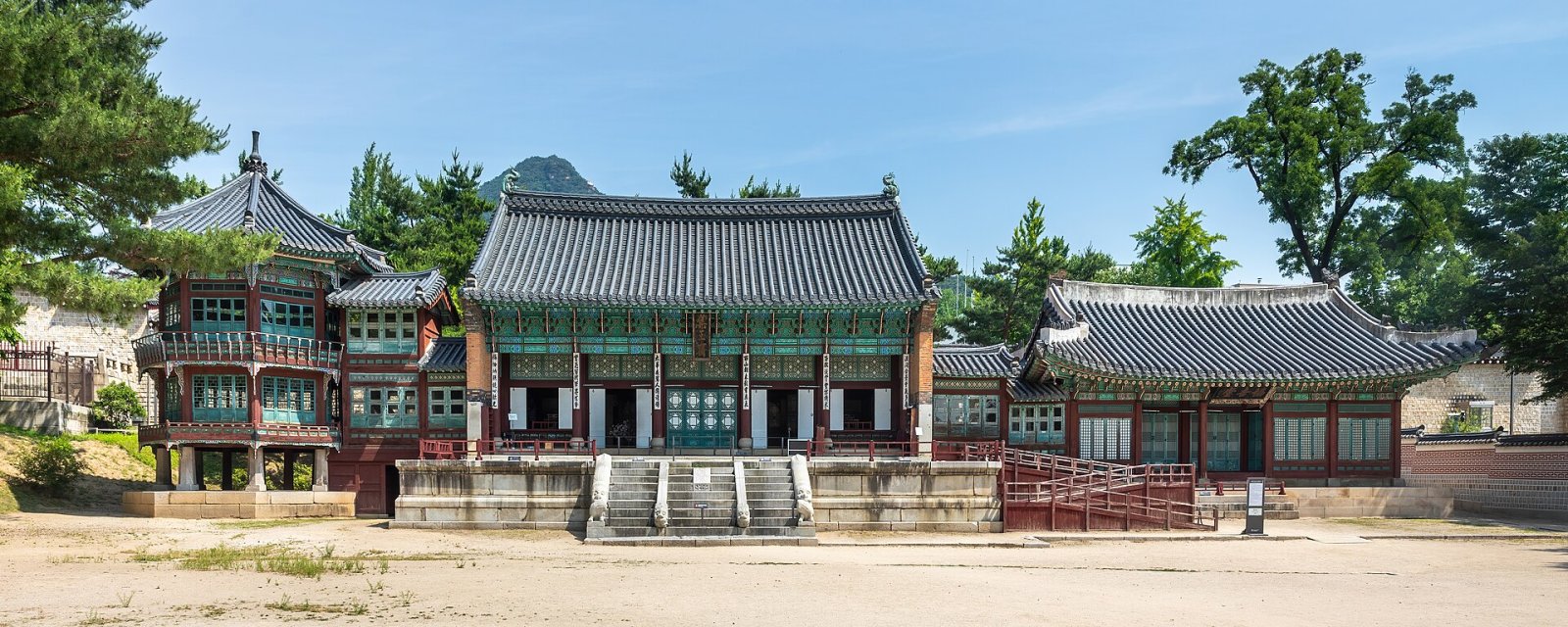
The palace, located at 37.5796000 degrees latitude and 126.9770000 degrees longitude, is easily accessible and represents a must-see stop for anyone visiting Seoul. Its strategic position in the center of the South Korean capital makes it a recognizable landmark, surrounded by a vibrant city that blends modernity and tradition.
History and Origins
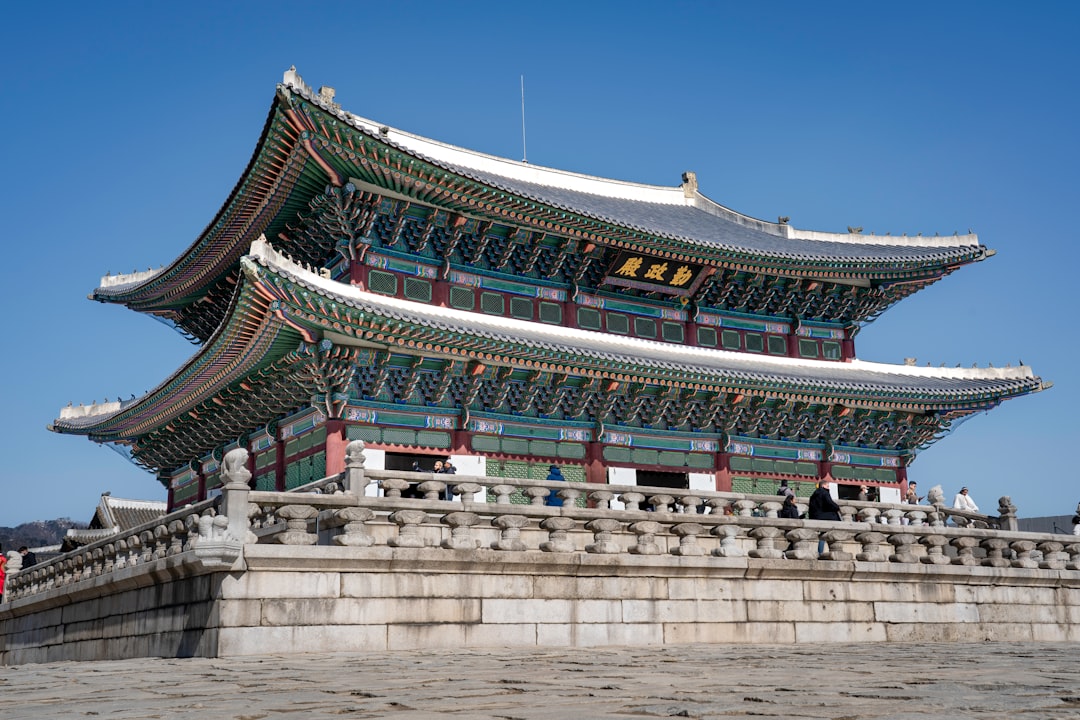
The history of Gyeongbokgung Palace is intrinsically linked to the founding of the Joseon dynasty, which ruled Korea for over five centuries. This palace, the largest of the five palaces built during that period, has undergone numerous restorations and reconstructions over the years, especially after being destroyed during the Japanese occupation. Its architecture reflects the Confucian philosophy that guided Korean society, with spaces designed to symbolize harmony between man and nature.
Every corner of Gyeongbokgung tells a story. From Gwanghwamun Gate, which marks the main entrance, to the gardens and ponds surrounding the palace, every element has been conceived to express the power and grandeur of the Korean monarchy. The history of the palace is also the history of Korea itself, a place where one can sense the challenges and victories of a people.
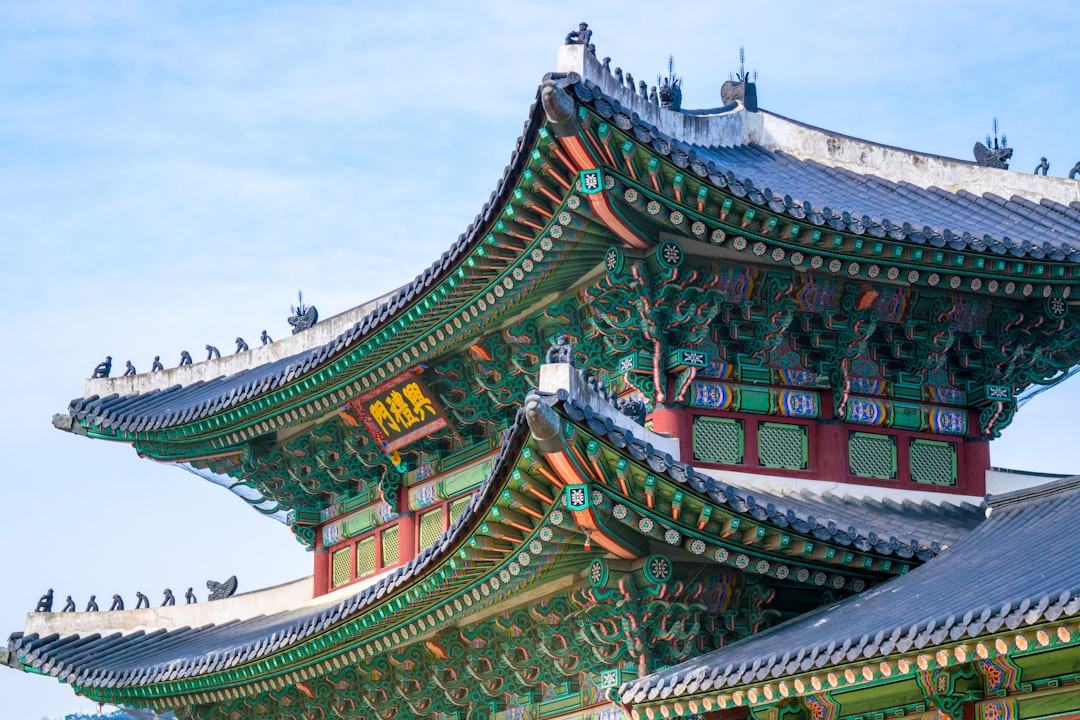
Elements to Observe
While visiting Gyeongbokgung, tourists can admire the beauty of its pavilions, such as Geunjeongjeon, the throne hall, where important state ceremonies took place. The elaborate decorations and architectural details reflect the skill of Korean artisans. Equally captivating is the palace garden, which offers a tranquil refuge amidst the hustle and bustle of the city, with its winding paths and ornamental plants.
Another must-see attraction is the changing of the guard, which regularly takes place in front of Gwanghwamun Gate. This event, which recreates historical ceremonies, offers visitors a unique opportunity to immerse themselves in Korean culture and traditions, making the visit to Gyeongbokgung a living and engaging experience.
Why It Is Interesting Today
Today, Gyeongbokgung Palace is not just a monument to the past but also an active cultural center. Its importance as a national symbol is evident, and the palace hosts various cultural events and exhibitions that attract visitors from around the world. The combination of history and modernity makes Gyeongbokgung a place for reflection and celebration of Korean culture.
Moreover, the palace is surrounded by an ever-evolving urban context, where new generations of Koreans are committed to preserving their heritage. The presence of museums and art galleries nearby further enriches the experience, making Gyeongbokgung an ideal starting point for exploring the history and culture of Seoul.
Practical Information for Visitors
To visit Gyeongbokgung Palace, it is advisable to plan the visit in advance. Opening hours may vary depending on the season, so it is important to check updated information before heading there. The ticket price is affordable and offers great value considering the historical and cultural significance of the site.
Finally, for those who wish to explore the city further, the Secret World app can provide useful information and tips for discovering Seoul's hidden treasures, making every visit even more memorable.


