
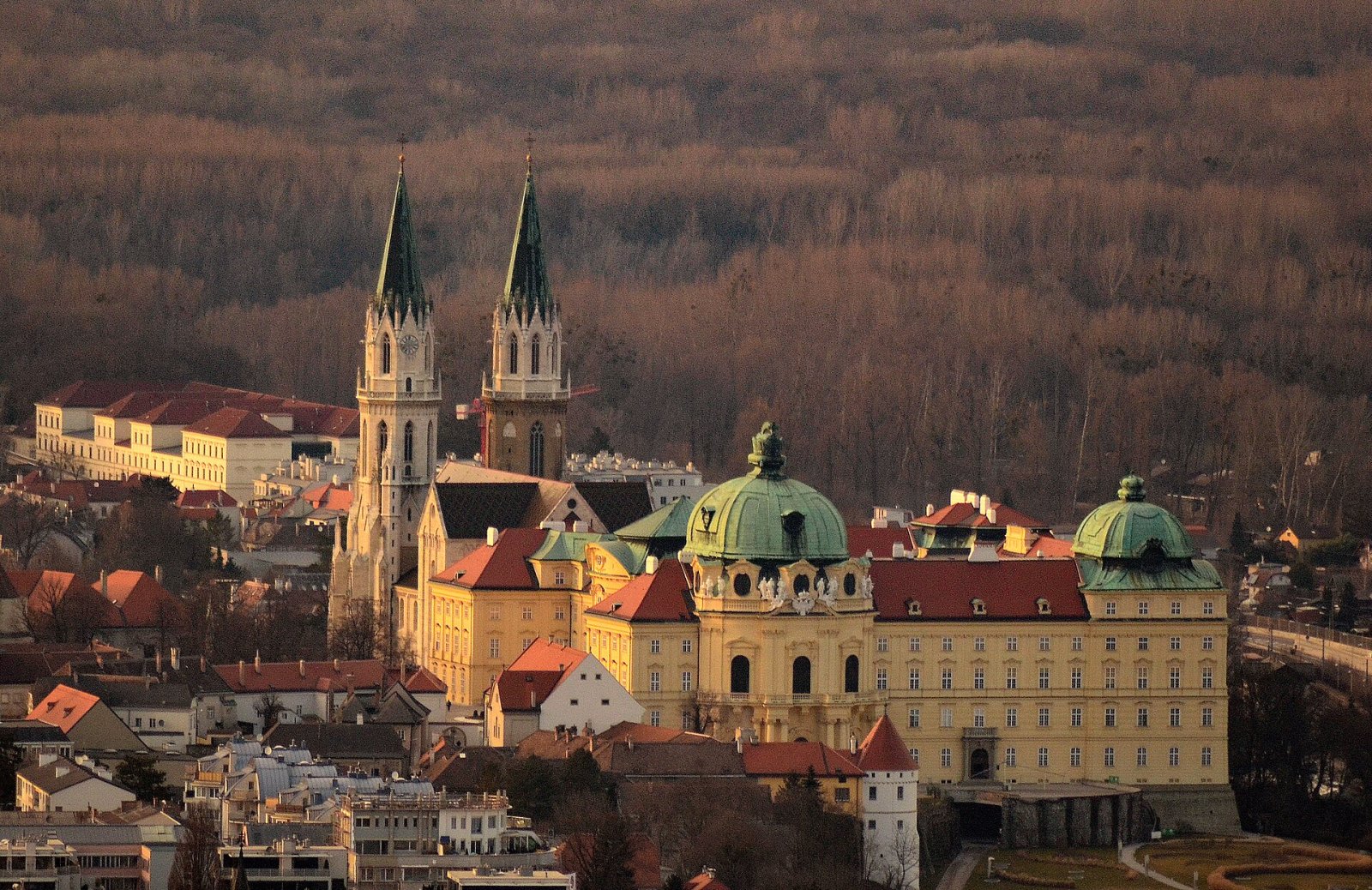

Located just a few kilometers north of Vienna, Klosterneuburg Monastery is a historical treasure that tells centuries of Austrian culture and tradition. This fascinating structure, founded in 1114, is a majestic example of religious architecture and a significant landmark for the Upper Austria region. Surrounded by hills and overlooking the Danube, the monastery is not only a place of worship but also a center of art and science that has influenced the intellectual life of the country.
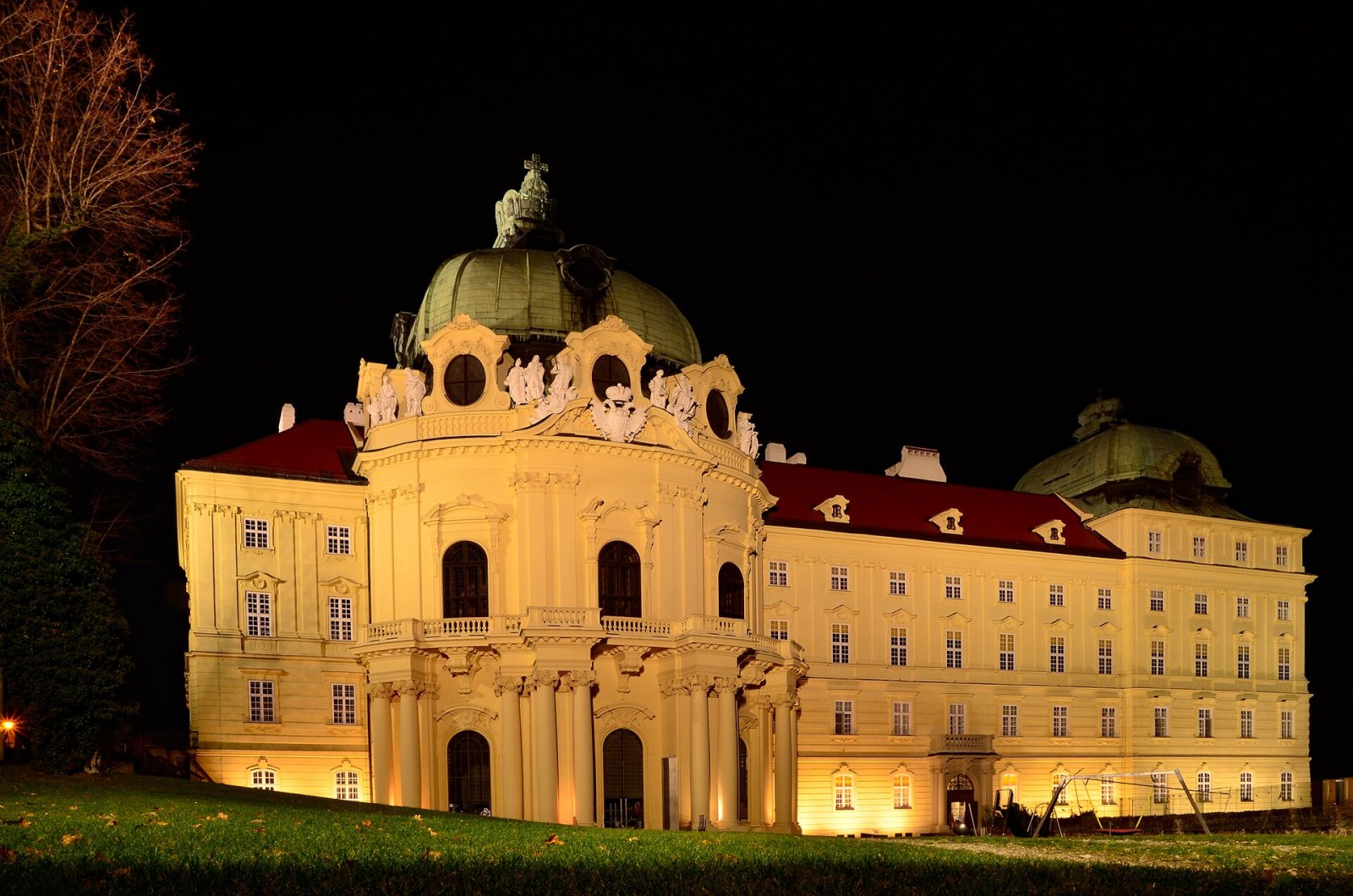
Klosterneuburg, a city with about 27,500 inhabitants, is easily accessible due to its proximity to Vienna. Its strategic location makes it an excellent destination for a day trip, where history and nature meet in a charming landscape. Visitors can explore the monastery and its gardens, enjoying an atmosphere of peace and contemplation.
History and Origins
Klosterneuburg Monastery was founded by Augustinian monks in the 12th century and quickly established itself as an important spiritual and cultural center. Over the centuries, the monastery has undergone numerous expansions and renovations, reflecting the evolution of religious architecture. The original structure, characterized by Romanesque elements, has been enriched by subsequent styles, including Gothic and Baroque, creating a fascinating mix that attracts visitors from all over the world.
The monastery has played a crucial role in Austrian history, serving as a refuge for monks and a center for winemaking. Its privileged location along the Danube allowed the monks to cultivate the surrounding vineyards, giving rise to a winemaking tradition that continues to this day. The historicity of the place is palpable, and every corner of the monastery tells a story of faith, art, and passion.
Elements to Observe
When visiting Klosterneuburg Monastery, tourists can admire the beautiful church, famous for its frescoes and colorful stained glass that illuminate the interiors with a mystical light. Another point of great interest is the monastery museum, which houses a collection of artworks and historical artifacts, offering an in-depth look at monastic life and the history of the region.
The cloister is a must-see, a masterpiece of Gothic architecture, where the tranquility and beauty of the place invite reflection. Strolling through the monastery gardens, visitors can enjoy a spectacular view of the Danube and the surrounding hills, creating a perfect balance between history and nature.
Why It Is Interesting Today
Today, Klosterneuburg Monastery represents not only a place of worship but also an active cultural center. It hosts events, concerts, and exhibitions that attract a diverse audience, making the monastery a hub of social and cultural activities. This combination of history and modernity makes Klosterneuburg a place of great interest, where the past blends harmoniously with the present.
Furthermore, the monastery's winemaking tradition continues to thrive, with wines produced by the monks renowned for their quality. Visitors can taste these wines and discover the winemaking history of the region, making the visit a complete and engaging experience.
Practical Information for Visitors
Klosterneuburg Monastery is easily accessible by public transport from Vienna, making it an ideal destination for a day trip. Opening hours vary depending on the season, so it is advisable to check in advance to plan the visit. Inside, audio guides are available in several languages, enriching the visit experience with detailed information about the history and architecture of the place.
Don't forget to bring your camera to capture the beauty of the monastery and its gardens. For those who wish to deepen their experience, the Secret World app offers useful information and tips for exploring Klosterneuburg and its hidden wonders.


