
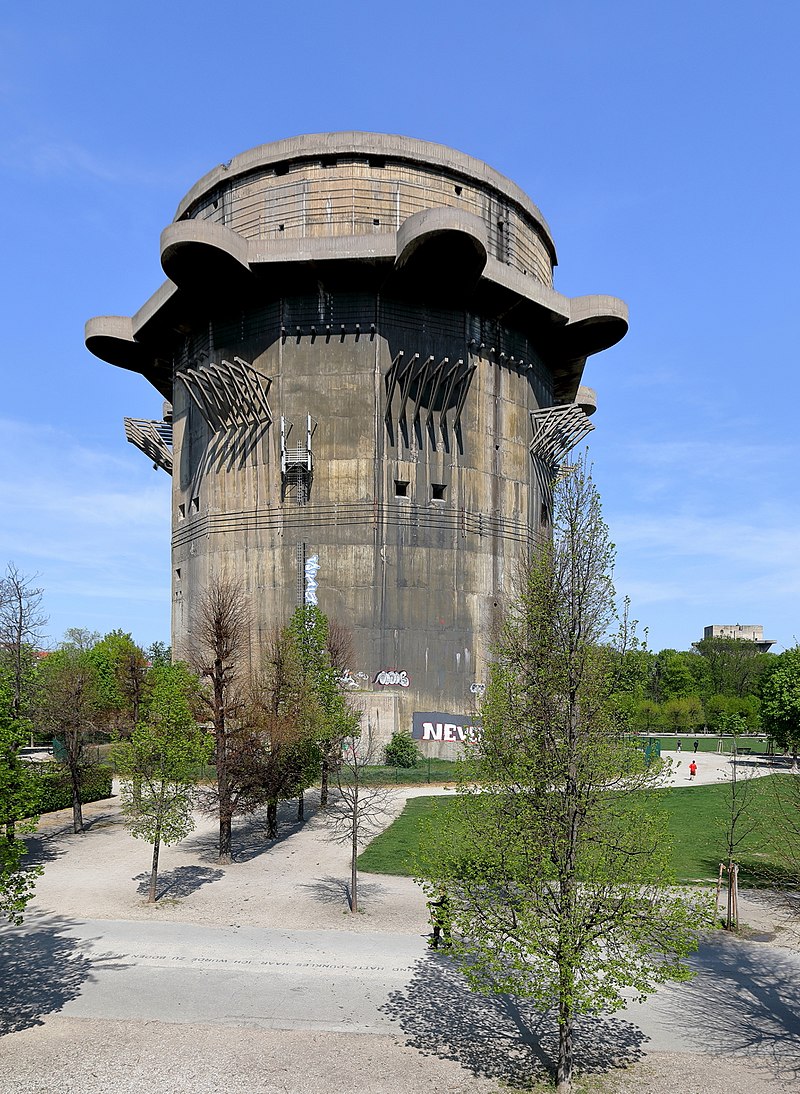

In the heart of Vienna, beneath the sprawling greenery of Augarten, lies a remnant of a turbulent past: the Gefechtsturm, one of the imposing Flaktürme or Flak towers. These massive structures, designed to defend against aerial attacks during World War II, tell a story that intertwines military strategy, architectural ambition, and the human experience during one of history's darkest chapters.
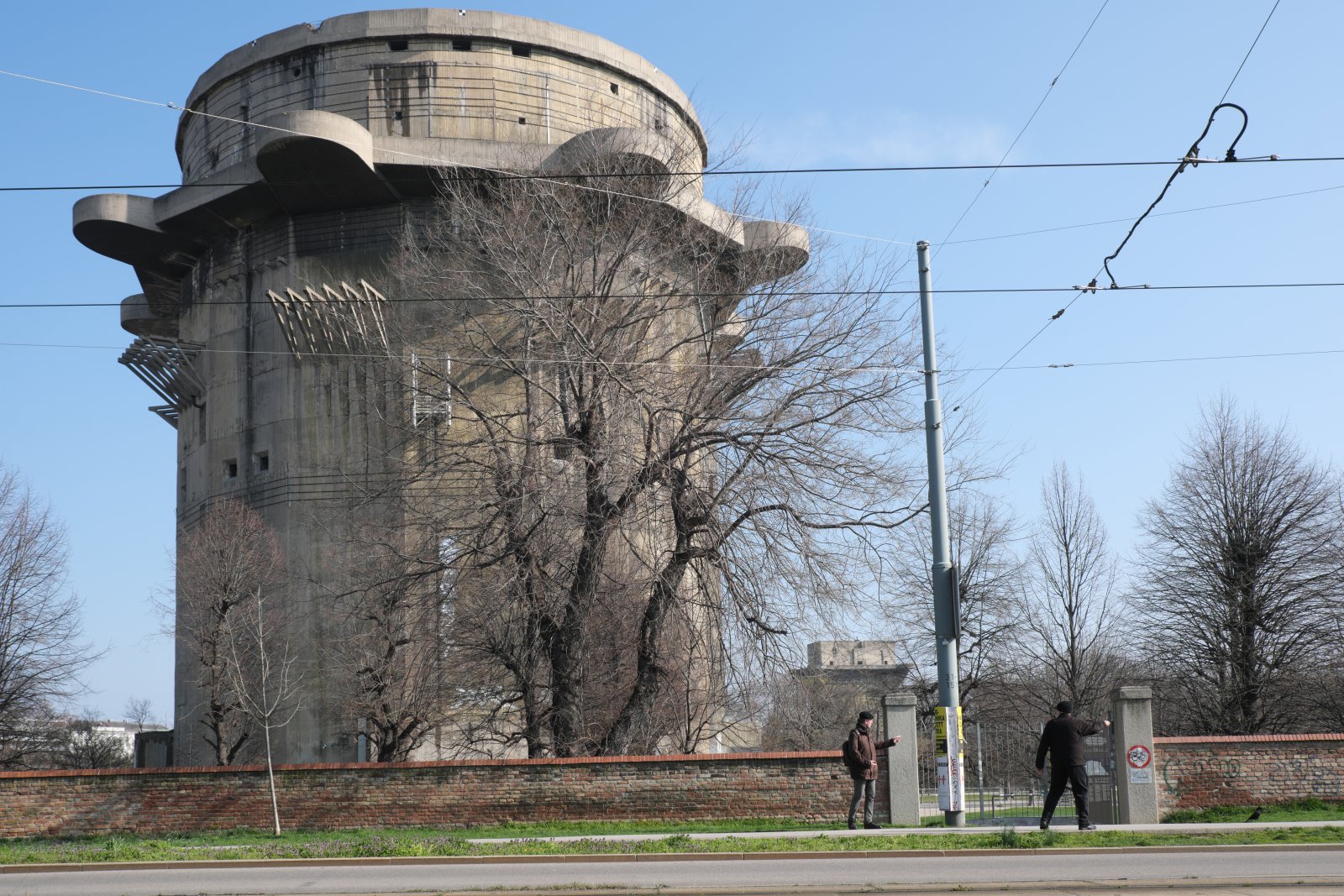
The origins of the Gefechtsturm trace back to Germany's escalating conflict in the late 1930s. As the threat of Allied air raids loomed larger, Nazi Germany initiated the construction of anti-aircraft towers across major cities, including Berlin, Hamburg, and Vienna. The towers were built using reinforced concrete, showcasing the brutalist architectural style that was both functional and imposing. In July 1944, the construction of the 55-meter high Gefechtsturm began, alongside a 51-meter control tower, although both structures were left unfinished by the war's end.
Architecturally, the Flak towers embody the stark utilitarianism of wartime design. Their massive, block-like forms rise abruptly from the landscape, with thick walls meant to withstand bombardment. The design includes platforms for anti-aircraft guns and small windows for observation, reflecting a functional yet formidable aesthetic. Within the park, remnants of these towers serve as a visual testament to the era’s military architecture, blending the scars of war with the beauty of nature surrounding them.
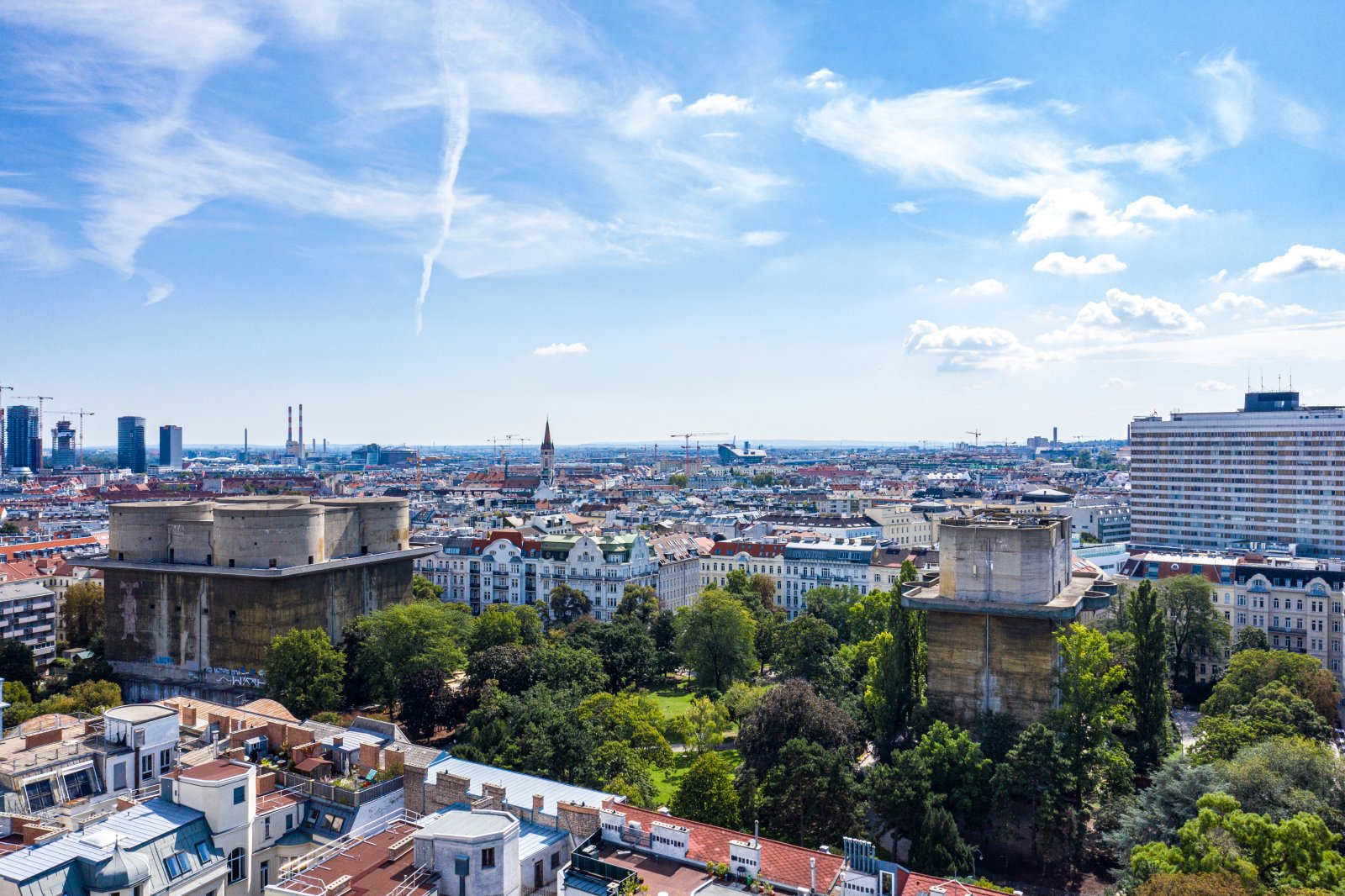
Beyond their military purpose, the Gefechtsturm also served as crucial air-raid shelters. During the relentless bombings of 1944, the tower provided refuge to tens of thousands of Viennese civilians. The duality of its existence—both as a weapon and a sanctuary—epitomizes the complexities of life during wartime. As you walk through Augarten, the juxtaposition of the tower against the serene park landscape evokes a poignant reflection on peace and conflict.
Local culture in Vienna during this period was heavily influenced by the war. While the city was known for its rich traditions in music, art, and literature, the shadow of the conflict loomed large. The resilience of the Viennese people is evident in their customs; even amidst adversity, they celebrated life through music and community gatherings. Festivals, like the Vienna Festival held each spring, reflect this spirit, showcasing local artists and musicians who continue to draw inspiration from their city’s rich history.
No visit to Vienna is complete without indulging in its gastronomy. The city’s culinary scene offers a blend of traditional and modern fare. Close to Augarten, local cafes serve up classic dishes such as Wiener Schnitzel, a breaded and fried veal cutlet, often accompanied by a fresh potato salad. Don’t miss out on tasting a slice of Sachertorte, a decadent chocolate cake that has become synonymous with Viennese dessert culture. Pair these delights with a glass of Gemischter Satz, a unique local wine that reflects the diverse grape varietals cultivated in the region.
For the curious traveler, there are lesser-known stories that enrich the experience of visiting the Gefechtsturm. One such tale involves the Vienna Air Raid Precautions, which not only designed the towers but also trained civilians in air defense. Many locals recall the community drills and the panic of sirens, a stark contrast to the peaceful walks enjoyed today. Some even claim that ghostly echoes of the past linger in the park, where the laughter of children now fills the air, juxtaposed against the memories of wartime anxiety.
When planning your visit to the Gefechtsturm, consider the best times to experience its significance. Spring and early autumn are ideal, as the park is vibrant with blooming flowers and autumn foliage, enhancing the contrast between nature and the starkness of the towers. Early morning or late afternoon light casts dramatic shadows, perfect for photography and contemplation.
Don’t forget to explore the nearby Augarten Porcelain Factory, where you can witness the art of porcelain making—a tradition that dates back to the 18th century. It’s a reminder of Vienna's artistic heritage that flourished even amidst the chaos of war.
As you explore the remnants of the Gefechtsturm, take a moment to reflect on the stories it holds—of resilience, survival, and transformation. In a city that beautifully marries history with modernity, the Flak towers serve as a poignant reminder of the past, inviting you to contemplate the paths we take toward peace and understanding.
To make the most of your journey through Vienna’s rich tapestry of history and culture, consider using the Secret World app to craft a personalized itinerary.


