
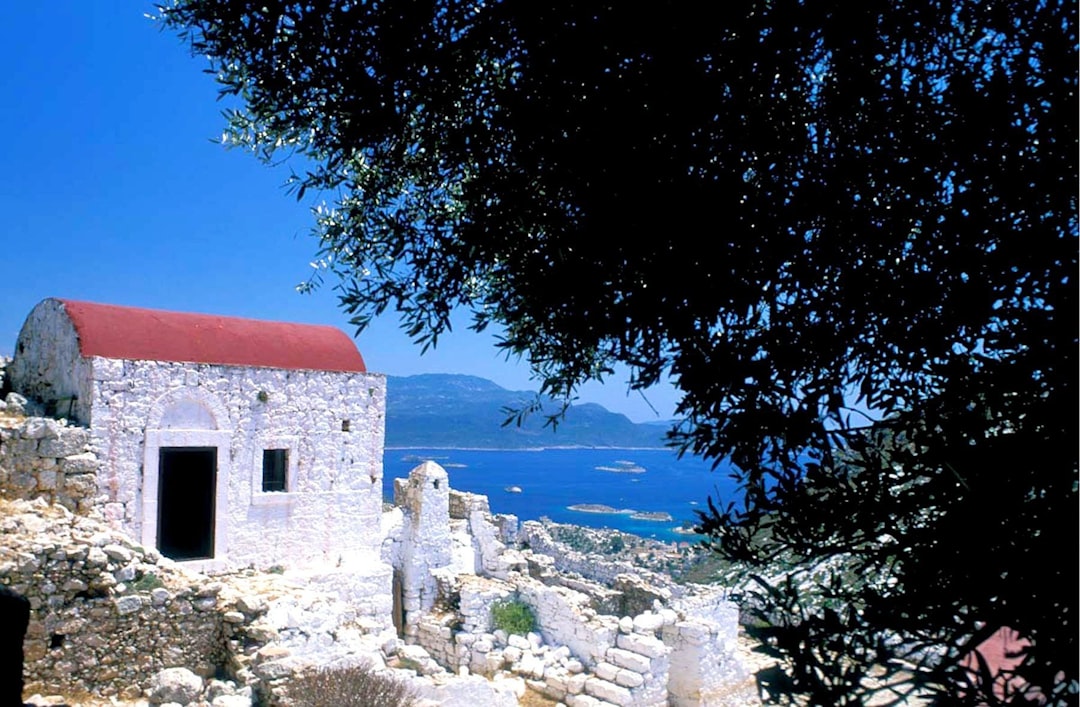

Located on the enchanting island of Crete, Lyktos is an archaeological site that has its roots in ancient history, evoking the charm of distant eras. Known for its significance during the classical and Roman periods, Lyktos is today a treasure to explore, rich in legends and testimonies of the past. Visitors can immerse themselves in Minoan culture and Greek mythology, discovering traces of a civilization that profoundly influenced the history of humanity.
This ancient polis, situated near the current village of Lyttos in the Minoa Pediada region, is a place where time seems to have stood still. Its strategic location and historical origins make it an unmissable destination for anyone wishing to understand the roots of European civilization.
History and Origins
The name "Lyktos" dates back to the Bronze Age, appearing in Linear B texts and in Egyptian lists of Aegean place names. According to tradition, Rhea, mother of Zeus, gave birth to him in Lyktos and hid him in a cave on Mount Aegaeon, making the city a place of great mythological importance. During the 4th century BC, Lyktos was in conflict with nearby Knossos, highlighting its central role in the island's political dynamics.
The ruins of Lyktos offer a glimpse into daily life, with remains of homes and public structures that tell stories of a past rich in events. The city, inhabited by colonists from Sparta, was known for its devotion to Apollo, suggesting a vibrant religious and cultural life. The interactions between the Lyktians and their neighbors, as evidenced by historical conflicts, testify to the complexity of relationships in ancient Crete.
Elements to Observe
When visiting Lyktos, tourists can explore the well-preserved ruins that tell the story of this ancient polis. Among the most fascinating elements are the architectural structures, which reflect the ingenuity of the builders of the time. The remains of temples and homes bring to life a vivid image of the daily lives of the ancient inhabitants, while the remains of defensive walls tell of an era of conflicts and alliances.
Moreover, the natural beauty surrounding the archaeological site adds further charm to the visit. The panoramic position of Lyktos, with views of the surrounding hills and the sea, offers visitors an unforgettable visual experience, framing a journey through time that unites history and nature in a harmonious embrace.
Why It Is Interesting Today
Today, Lyktos represents not only an important historical testimony but also a place for reflection on Greek culture and its influence in the world. Its rich cultural heritage and the legends surrounding it make it an interesting destination for scholars, history enthusiasts, and tourists seeking authentic experiences. The connection with Greek mythology, particularly with the figure of Zeus, continues to fascinate and attract visitors from all over the world.
In an era where tourism is increasingly oriented towards meaningful experiences, Lyktos offers a unique opportunity to explore the origins of European civilization and better understand the link between history, culture, and identity. The combination of archaeology, mythology, and breathtaking landscapes makes this site a must-visit.
Practical Information for Visitors
For those wishing to visit Lyktos, it is advisable to plan the visit in advance, considering that the archaeological site is accessible via well-marked trails. Lyktos can be reached by car or public transport, and the best time to visit is during spring or autumn when temperatures are milder and tourism is less crowded.
Additionally, it is helpful to bring water and snacks, as nearby accommodation options may be limited. Finally, don't forget to download the Secret World app to discover more details and tips about this fascinating corner of Greece.


