
← Back

The Enigma of the Phaistos Disc: A Journey into the Mysteries of Ancient Crete

Lampraki 101, Epano Archanes 701 00, Grecia ★★★★☆ 251 views
Rania Mertz
Epano Archanes
🏆 AI Trip Planner 2026

Get the free app

Discover the best of Epano Archanes with Secret World — the AI trip planner with 1M+ destinations. Get personalized itineraries, hidden gems and local tips. Free on iOS & Android.

🧠 AI Itineraries 🎒 Trip Toolkit 🎮 KnowWhere Game 🎧 Audio Guides 📹 Videos
Download on the App Store Get it on Google Play
Scan to download Scan to download

Historical Sites · Epano Archanes

The Enigma of the Phaistos Disc: A Journey into the Mysteries of Ancient Crete - Epano Archanes | Secret World Trip Planner

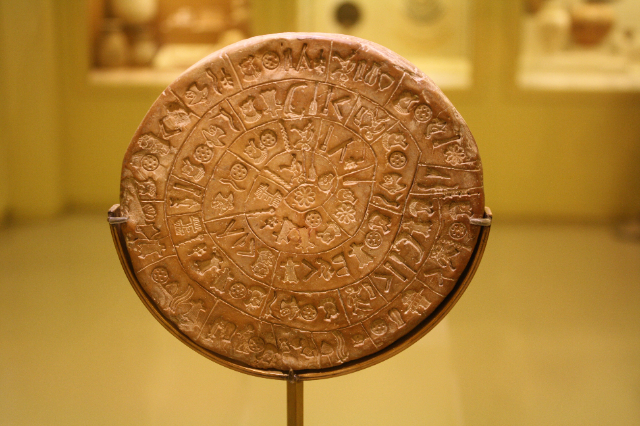
Imagine standing beneath the clear blue skies of Crete, surrounded by the ruins of a once-great civilization. It was here, in 1908, that Italian archaeologist Federico Halbherr and his team unearthed something extraordinary from the remains of the ancient Minoan palace of Phaistos: a small clay disc, etched with mysterious symbols. Known today as the Phaistos Disc, this ancient artifact has puzzled historians, linguists, and archaeologists for over a century.
The Enigma of the Phaistos Disc: A Journey into the Mysteries of Ancient Crete - Epano Archanes | Secret World Trip Planner

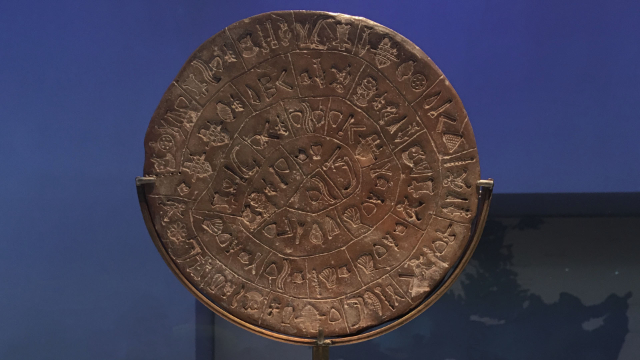
The disc, dating back to around 1700 BCE, is unlike anything else discovered from the ancient world. The 45 unique symbols stamped into the clay form a spiral across both sides, depicting figures from daily life—warriors, animals, plants, and tools. The Minoans were an advanced Bronze Age civilization, yet the meaning of the symbols on the disc remains elusive, defying countless attempts at decipherment.

Scholars have proposed various theories over the years. Some suggest the disc could be an ancient calendar, others think it might be a religious hymn, while more imaginative theories propose it as a relic from Atlantis or even a celestial map. Despite these creative interpretations, the true purpose and meaning of the disc remain a mystery.

Adding to its intrigue is the advanced technique used to create the disc—its symbols were not carved but pressed into the wet clay with stamps, a kind of early printing method. This detail has led some to question its authenticity, but archaeological evidence supports its genuineness, with the disc found alongside other authentic Minoan artifacts.

Ultimately, the Phaistos Disc is a symbol of the enduring mysteries of ancient civilizations. It tantalizes modern scholars with the possibility of unlocking new insights into the world of the Minoans. Standing before it in the Heraklion Archaeological Museum, where it is displayed today, one cannot help but feel the pull of the past, beckoning us to solve its riddle. Yet, perhaps part of its allure is that it remains unsolved, leaving room for our imaginations to wander through the corridors of history.

For the adventurous traveler or curious historian, the Phaistos Disc offers a reminder of how much there is still to learn from the ancient world—and how many mysteries still await discovery.

🗺 AI Trip Planner

Plan your visit to Epano Archanes

Suggested itinerary near The Enigma of the Phaistos Disc: A Journey into the Mysteries of Ancient Crete

MAJ+
500.000+ travelers worldwide
  1. 🌅
    Morning
    The Enigma of the Phaistos Disc: A Journey into the Mysteries of Ancient Crete
    📍 Epano Archanes
  2. ☀️
    Afternoon
    Knosos: Palace of Minos
    📍 7 km · Epano Archanes
  3. 🌆
    Evening
    Heraklion, history and modernity in Crete
    📍 11.6 km · Epano Archanes

Buy Unique Travel Experiences

Powered by Viator

See more on Viator.com

Explore nearby · Epano Archanes

Frequently Asked Questions

The Phaistos Disc is currently displayed at the Heraklion Archaeological Museum in Crete, where you can view this remarkable 1700 BCE artifact alongside other authentic Minoan treasures. The museum is easily accessible from Heraklion's city center and offers a comprehensive look at ancient Minoan civilization.
Italian archaeologist Federico Halbherr and his team discovered the Phaistos Disc in 1908 during excavations at the ancient Minoan palace of Phaistos in Crete. The disc dates back approximately to 1700 BCE and was found among other authentic Minoan artifacts, confirming its genuine historical significance.
Despite over a century of study, the meaning of the disc's 45 unique symbols remains a mystery that has baffled historians and linguists worldwide. Scholars have proposed theories ranging from an ancient calendar to a religious hymn, with the symbols depicting figures from daily Minoan life including warriors, animals, plants, and tools, but no definitive translation exists.
The disc is extraordinary because its symbols were pressed into wet clay using stamps—an early printing method—rather than carved, making it unlike anything else from the ancient world. This advanced stamping technique has even prompted some questions about its authenticity, though archaeological evidence confirms it's a genuine Minoan creation.
Yes, the ancient Minoan palace of Phaistos in southern Crete is an open archaeological site you can explore, offering stunning views and ruins that complement your understanding of Minoan civilization. Combining a visit to the palace ruins with viewing the actual disc at the Heraklion Archaeological Museum provides a complete journey into this mysterious ancient culture.
