
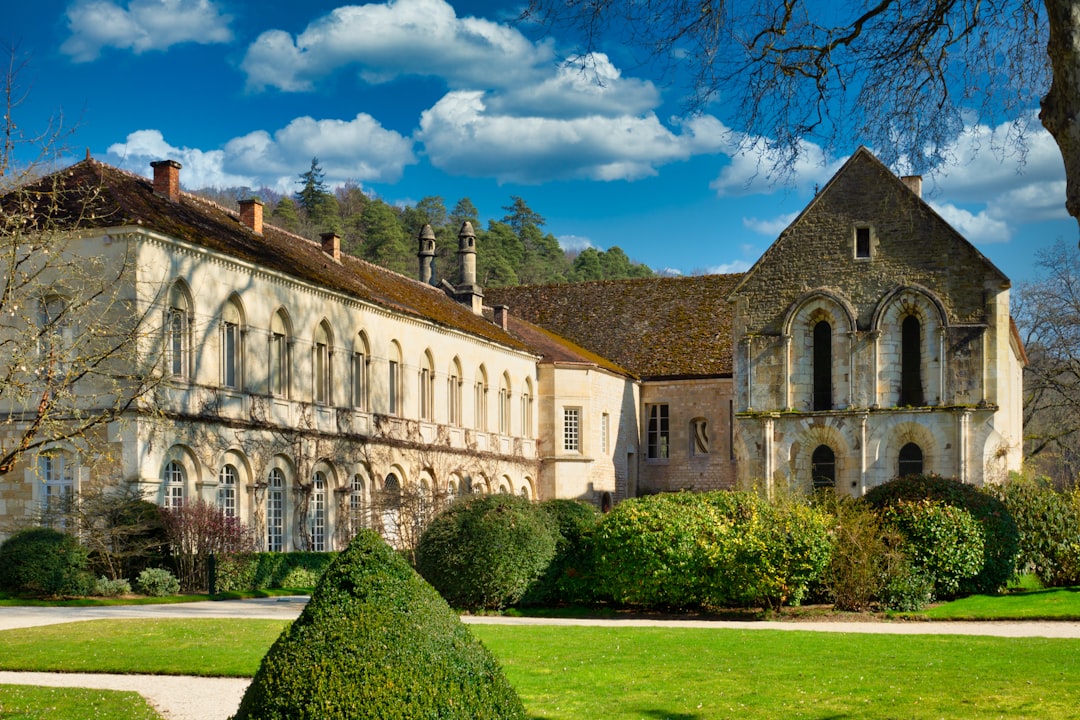

Nestled in the heart of Nouvelle-Aquitaine, the Abbaye de Cadouin represents one of the cultural wonders of France. Located in the picturesque village of Le Buisson-de-Cadouin, this medieval abbey is an extraordinary example of Cistercian architecture and a place rich in history and spirituality. It is not only a site of historical interest but also a haven of peace that attracts visitors from all over the world, eager to immerse themselves in its beauty and significance.
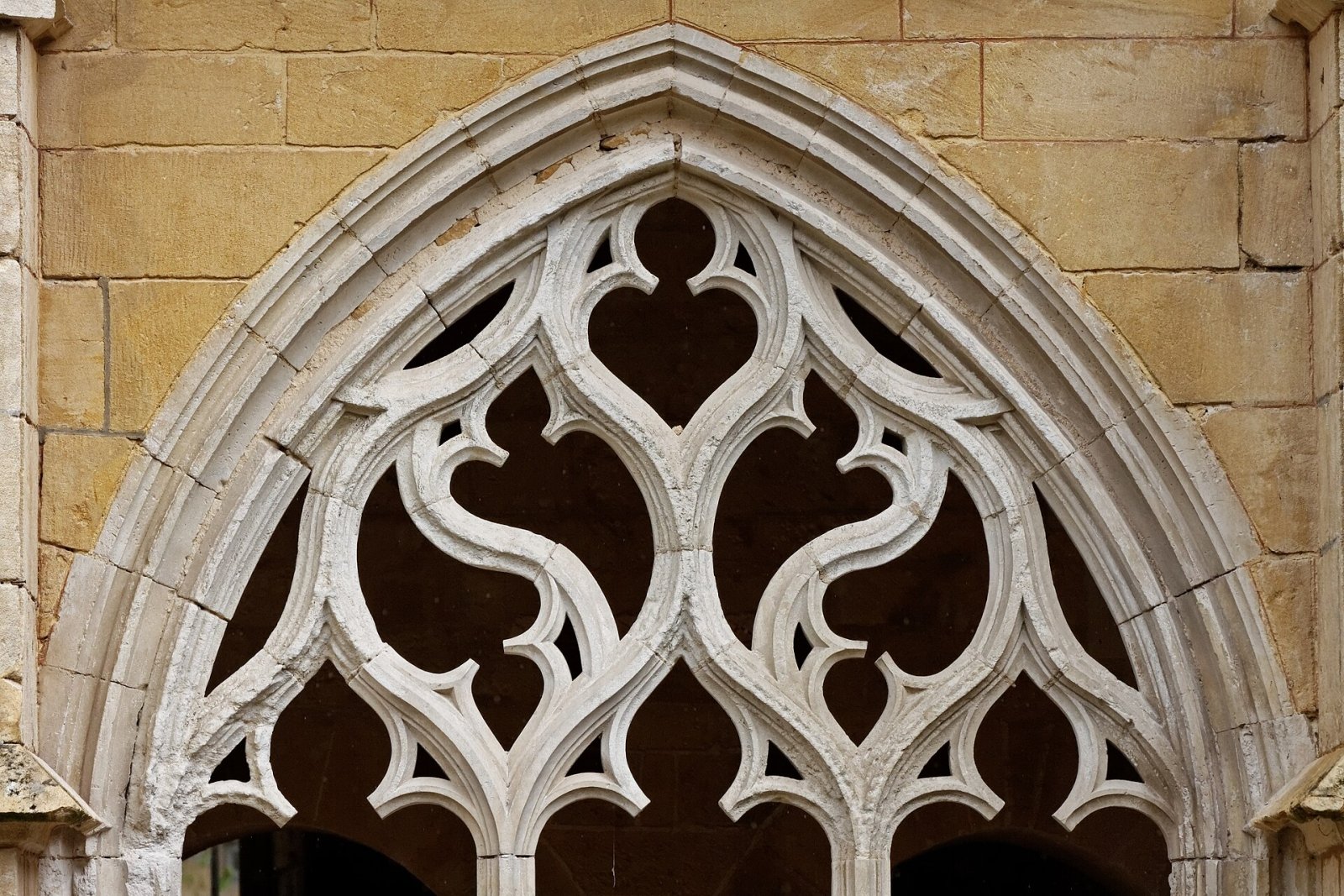
Its foundation dates back to the 12th century and, over the centuries, the abbey has played a crucial role in the religious and social life of the region. Today, the Abbaye de Cadouin is recognized as a historical monument and is part of the UNESCO World Heritage, testifying to the cultural and historical importance of this place. Its architecture, with elegant arches and refined details, tells stories of a bygone era and invites visitors to explore its sacred spaces.
Historical and Cultural Context
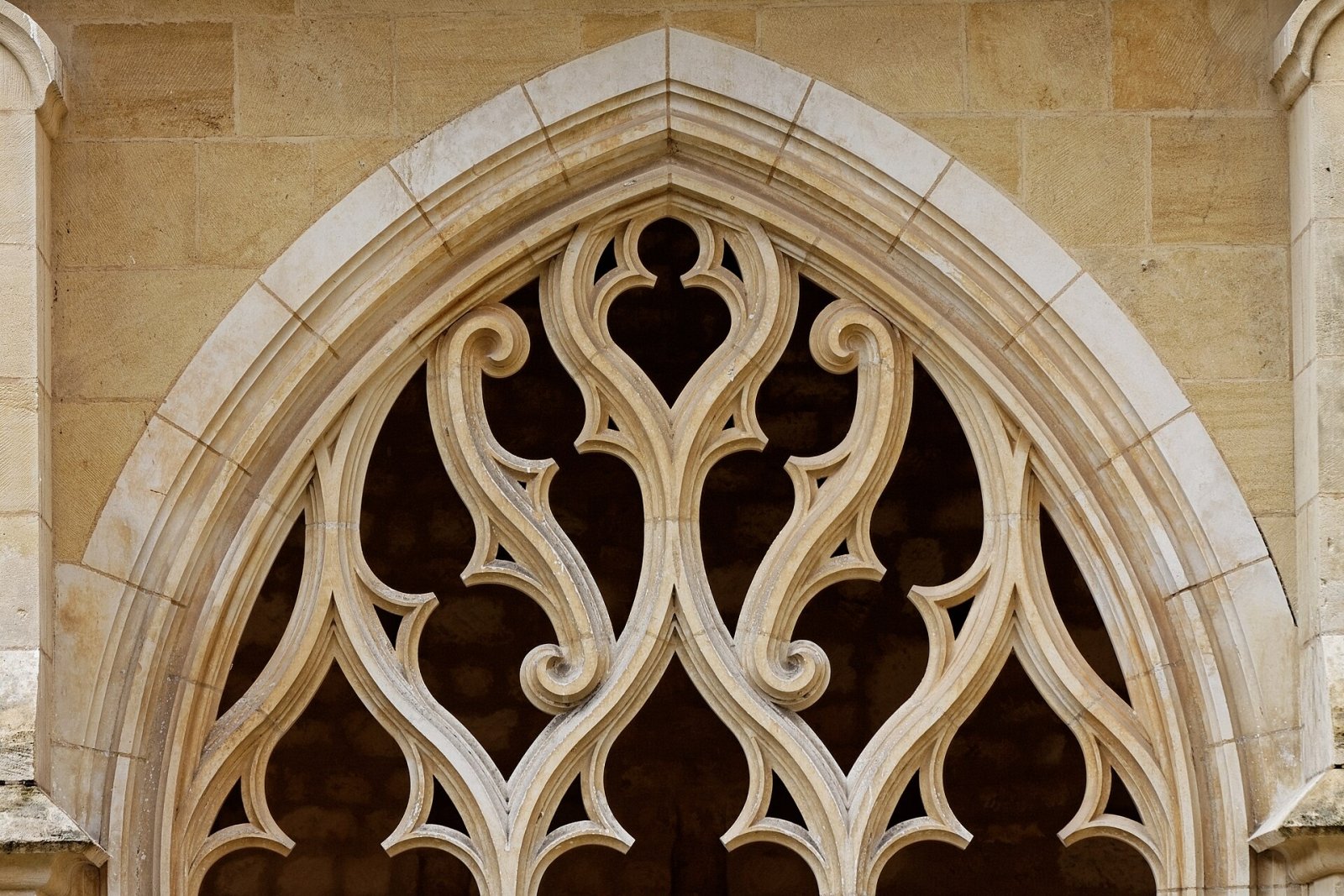
The Abbaye de Cadouin was founded in 1115 by Cistercian monks, who sought a place for retreat and meditation. Its strategic location along pilgrimage routes contributed to its prosperity, making it an important spiritual center. Over the centuries, the abbey has undergone numerous renovations, reflecting the stylistic and cultural changes of the time, but it has retained its original charm.
In the 13th century, the abbey became famous for its relic, a shroud that was said to have miraculous powers. This attracted pilgrims and visitors, transforming the abbey into an important place of worship. Today, visitors can admire not only the architectural beauty but also understand the historical significance of this site in the context of medieval spirituality.


