
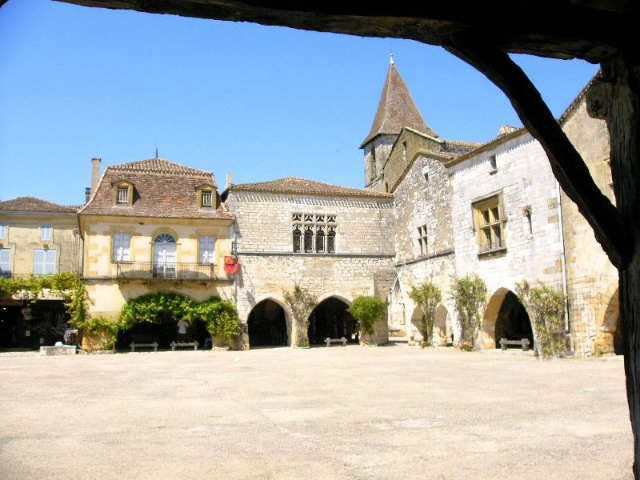

In the heart of the Dordogne region, Monpazier stands as a living testament to medieval ingenuity and the enduring allure of French history. This bastide, born in the 13th century, invites travelers into a world where time seems to pause, and ancient stones whisper stories of a storied past. Founded in 1284 by Edward I of England, this meticulously planned village was designed as a strategic and economic hub during the turbulent periods of the Hundred Years War.
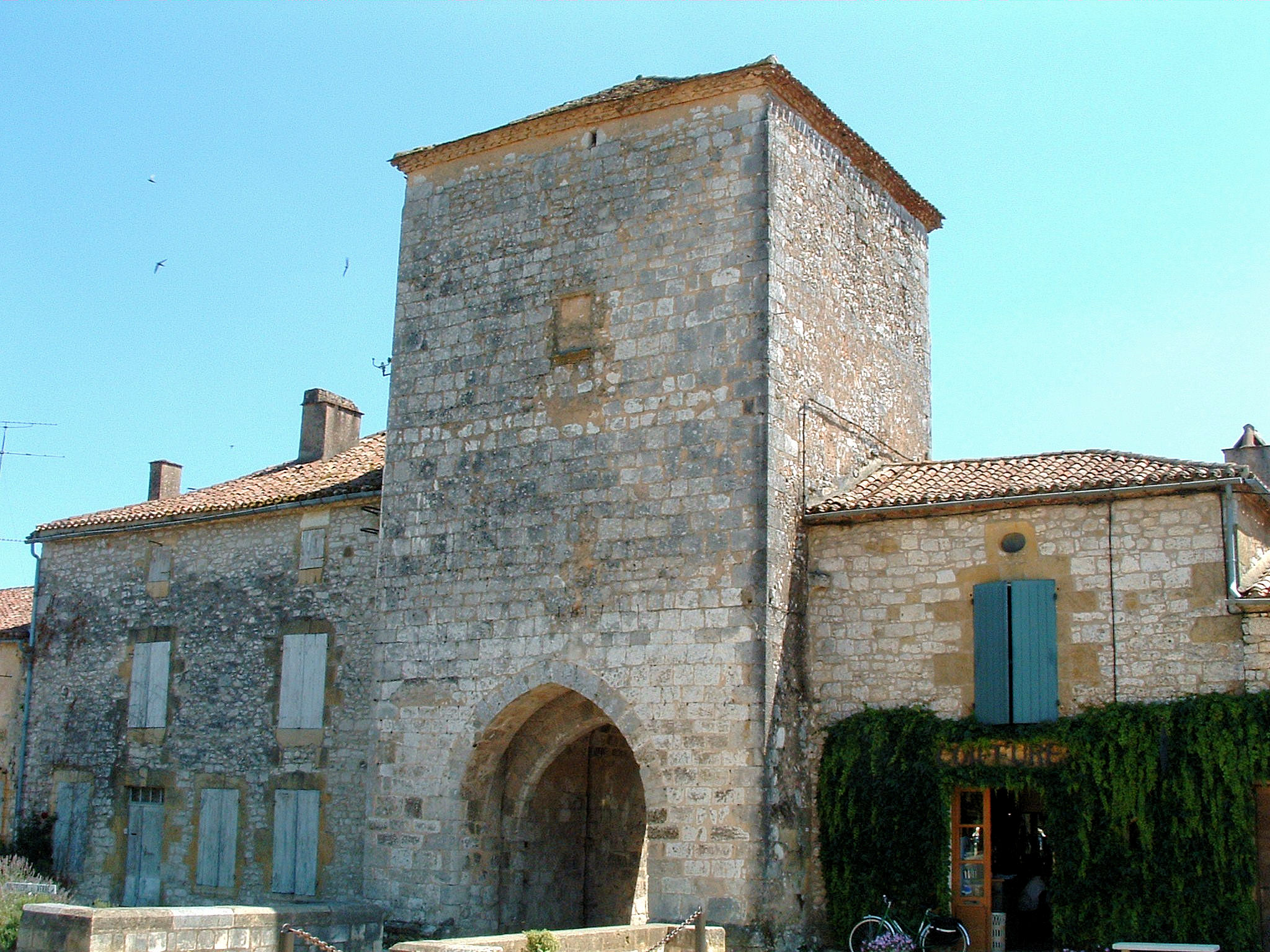
Monpazier is a star among the bastides, or fortified towns, that dot the landscape of southwestern France. Its origins are intertwined with notable historical figures such as Eleanor of Aquitaine and Richard II, who once called this area home. The town's grid-like layout is a hallmark of bastide architecture, showcasing a central market square surrounded by a network of streets that have remained unchanged for centuries. This design was revolutionary at the time, emphasizing both defense and commerce.
The architectural charm of Monpazier is immediately evident as you stroll through its ancient streets. The Place des Cornières, the town's heart, is a marvel of medieval town planning. Framed by arcaded houses, this square has been the center of community life for over 700 years. The buildings, with their ochre hues and timbered facades, offer a picturesque glimpse into the past. Saint-Dominique Church, with its Gothic elements, stands as a testament to the town's religious and architectural heritage.
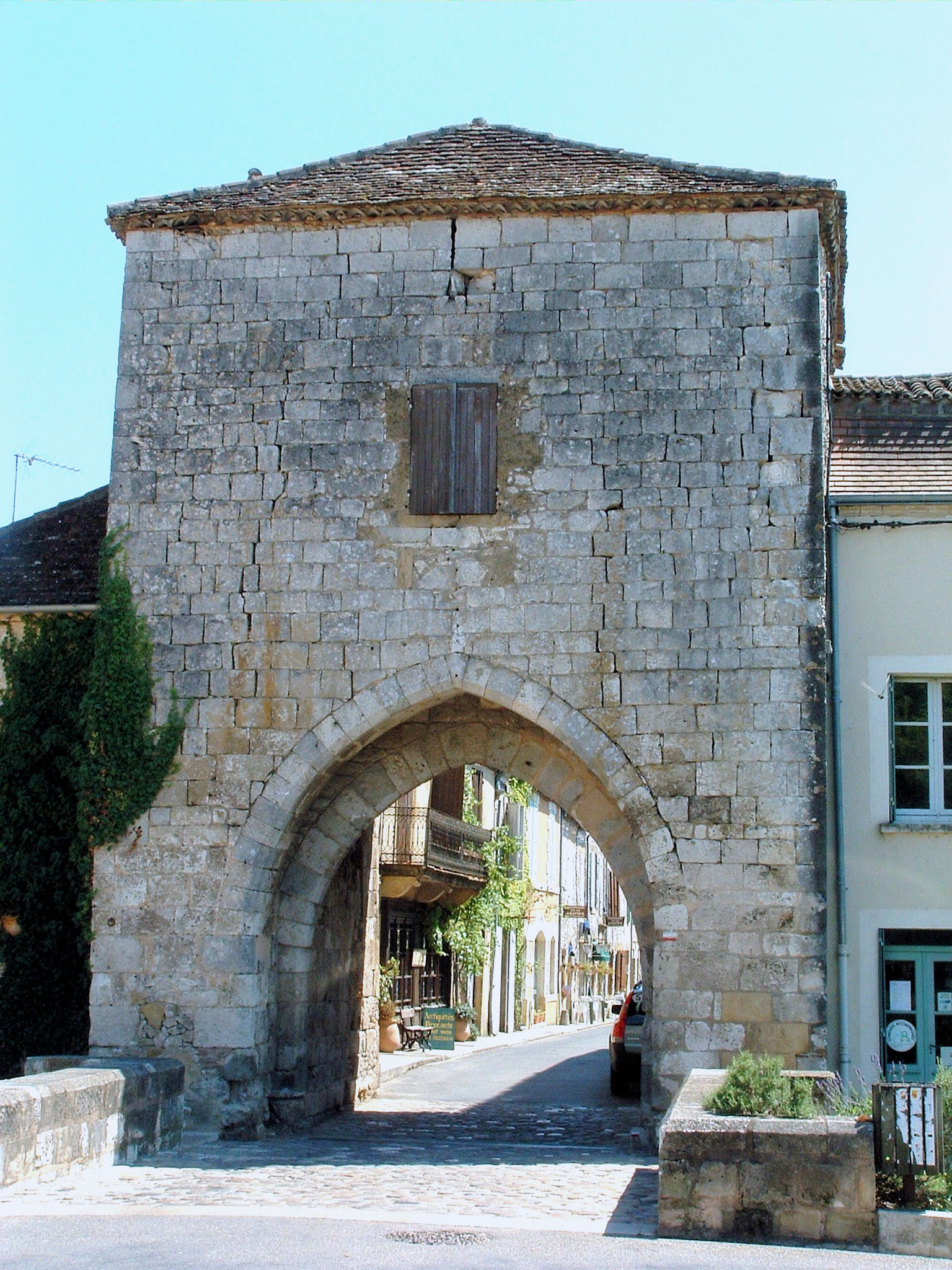
Art aficionados will find Monpazier's subtle artistic details captivating. The town's architectural style reflects a blend of medieval and Renaissance influences, with intricate stonework and carvings that adorn many of the buildings. Although not home to grand art collections, the town itself is a canvas of history and craftsmanship, with each building telling its own story.
Beyond its architectural beauty, Monpazier is a vibrant cultural hub. The town hosts numerous festivals throughout the year, celebrating its rich history and traditions. One such event is the Medieval Festival, which transforms the town into a lively scene of reenactments, traditional music, and artisan crafts. Local customs are deeply rooted in the town's identity, with markets that have been held in the same square for centuries, offering a genuine taste of local life.
No visit to Monpazier would be complete without indulging in its gastronomic delights. The Dordogne region is renowned for its culinary offerings, and Monpazier is no exception. Visitors can savor foie gras, a regional specialty, alongside truffles and locally-produced wines. The town's markets offer a bounty of fresh produce, cheeses, and meats, each a testament to the area's rich agricultural heritage. Dining here is both an exploration and a celebration of flavors that have been perfected over generations.
While Monpazier is rich in history and culture, it also harbors lesser-known curiosities that intrigue the discerning traveler. The town's original charter, known as the "Charte des Coutumes," is a remarkable document that outlines the rights and responsibilities of its medieval inhabitants. Additionally, Monpazier's alignment with the sun during solstices presents a fascinating example of medieval urban planning, designed to maximize sunlight throughout the year.
For those planning a visit, the best time to experience Monpazier is in the late spring or early autumn. During these months, the town is bathed in warm sunlight, and the landscape bursts with color. Early morning walks through its cobbled streets offer a serene experience, while evenings are perfect for enjoying a meal al fresco in the square. As you explore, take time to notice the small details: the ironwork on doors, the worn steps of the arcades, and the echoes of history that linger in the air.
Monpazier is more than just a destination; it is a journey through time, a place where the past and present coexist in perfect harmony. Its rich tapestry of history, art, and culture ensures that every visit leaves an indelible mark on the heart of the traveler.


