
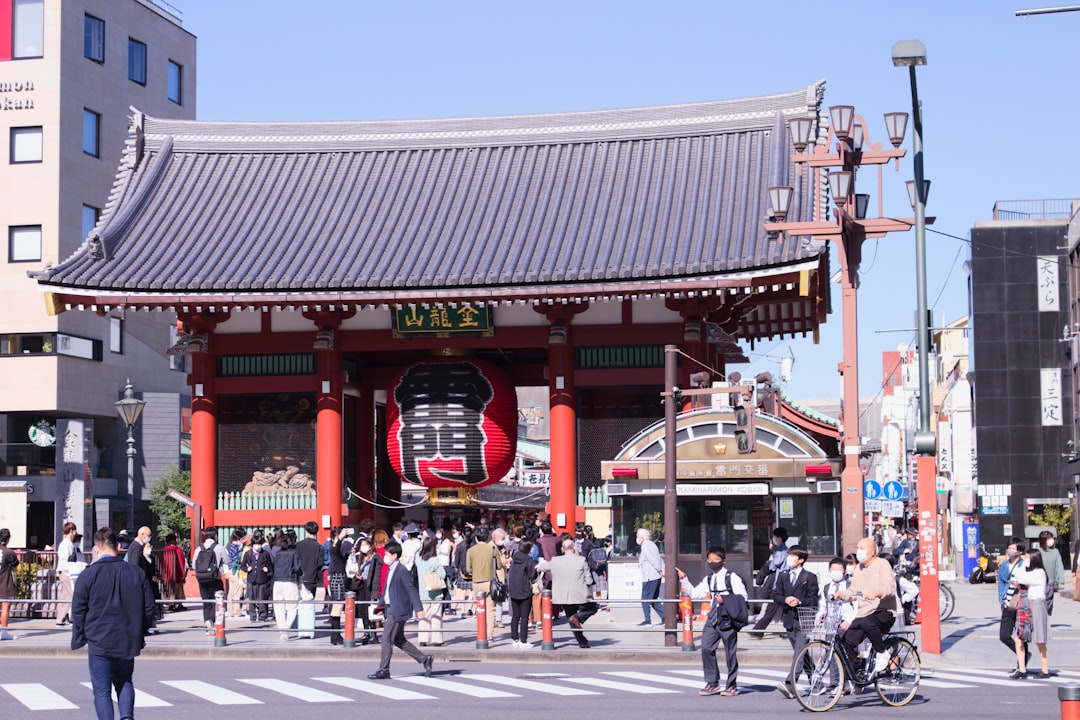

In the vibrant heart of Tokyo, the Asakusa District represents one of the most fascinating and historically rich areas of the Japanese capital. This neighborhood, which stretches along the Sumida River, is famous for its mix of tradition and modernity, attracting visitors from all over the world. Asakusa is the ideal place to immerse oneself in Japanese culture, thanks to its historic temples, lively markets, and unique atmospheres.
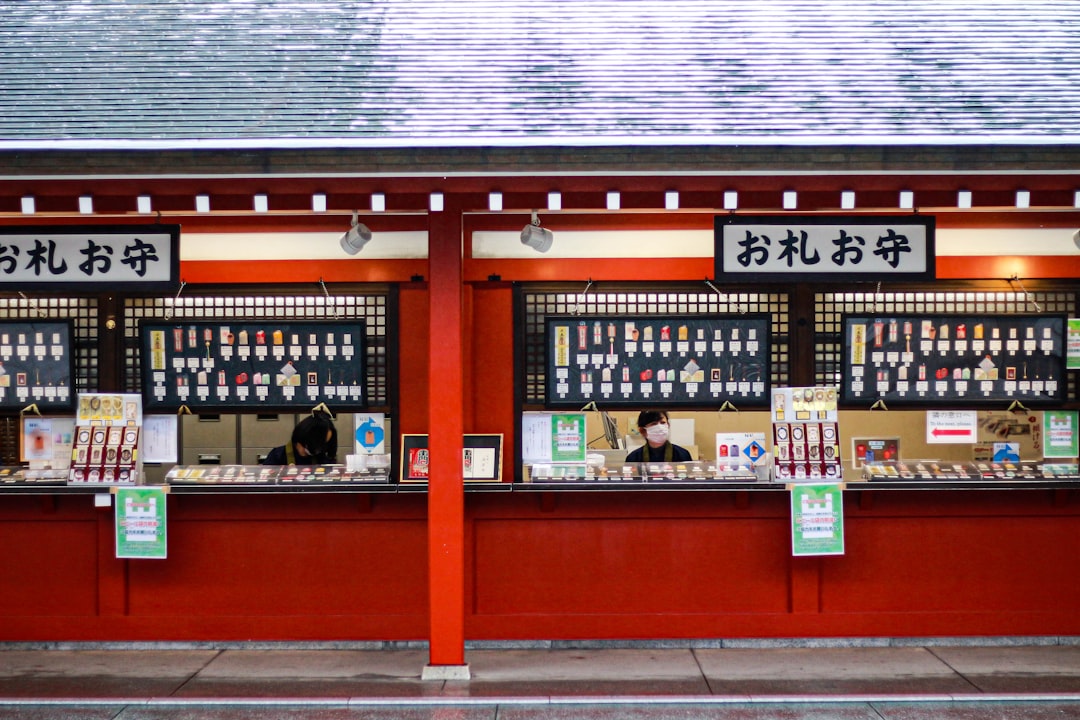
Asakusa is best known for Senso-ji, the oldest Buddhist temple in Tokyo, dating back to 628 AD. Its iconic gate, Kaminarimon, is a recognizable symbol of the city. The area is also famous for its traditional shopping streets, such as Nakamise-dori, where visitors can savor local snacks and purchase handcrafted souvenirs. This contrast between the ancient and the modern makes Asakusa a must-visit place for anyone traveling to Tokyo.
Historical and Cultural Context
The Asakusa District has a long history that dates back to the Edo period when it became an important center of entertainment and culture. During the Meiji period, Asakusa further transformed, becoming a hub for theaters, restaurants, and other forms of popular entertainment. Despite the changes and destruction caused by World War II, Asakusa has maintained its traditional charm, preserving temples and festivals that reflect ancient Japanese traditions.
Today, Asakusa is a symbol of Japanese resilience and the ability to integrate the past with the present. The district hosts numerous cultural events, such as the famous Sanja Matsuri, which celebrates the three founders of Senso-ji. These events offer visitors a unique opportunity to experience Japanese culture authentically, through dances, processions, and centuries-old rituals.
What Stands Out About the Place
Among the wonders of Asakusa, Senso-ji is undoubtedly the most impressive landmark. Its majestic architecture, with intricate details and vibrant colors, attracts not only devotees but also photographers and tourists. The tranquility felt inside the temple, despite the crowd, is an experience that invites reflection and contemplation.
Another unmissable attraction is the view of Tokyo Skytree, which majestically rises in the background of Asakusa. This combination of antiquity and modernity perfectly represents the spirit of Tokyo. Additionally, the Nakamise market offers a unique sensory experience, with its aromas, colors, and sounds telling stories of Japanese culinary and artisanal traditions.
Visiting Experience
Visiting Asakusa means immersing oneself in a lively and welcoming atmosphere. Visitors can stroll along the historic streets, savor delicious Japanese sweets like ningyo-yaki and senbei, and discover shops selling kimonos and local crafts. Every corner of Asakusa tells a story, and each visit offers the chance to discover something new and fascinating.
A must-do experience is participating in a traditional tea ceremony, which allows one to appreciate not only Japanese green tea but also the art and philosophy surrounding it. Furthermore, cruises on the Sumida River provide a unique perspective of the city and its historic monuments, making a visit to Asakusa even more memorable.
Practical Information for Visitors
Asakusa is easily accessible by Tokyo's subway, thanks to its central location. Once there, it is advisable to wear comfortable shoes to explore the district on foot. Visitors can also take advantage of the numerous local tour guides available, who provide detailed information about the history and local traditions.
Finally, for those who wish to further enhance their experience, the Secret World app offers tips and personalized itineraries to discover the hidden treasures of Asakusa and its surroundings. In conclusion, Asakusa is not just a stop on the journey to Tokyo, but an experience that enriches and leaves an indelible mark on the heart of every visitor.


