
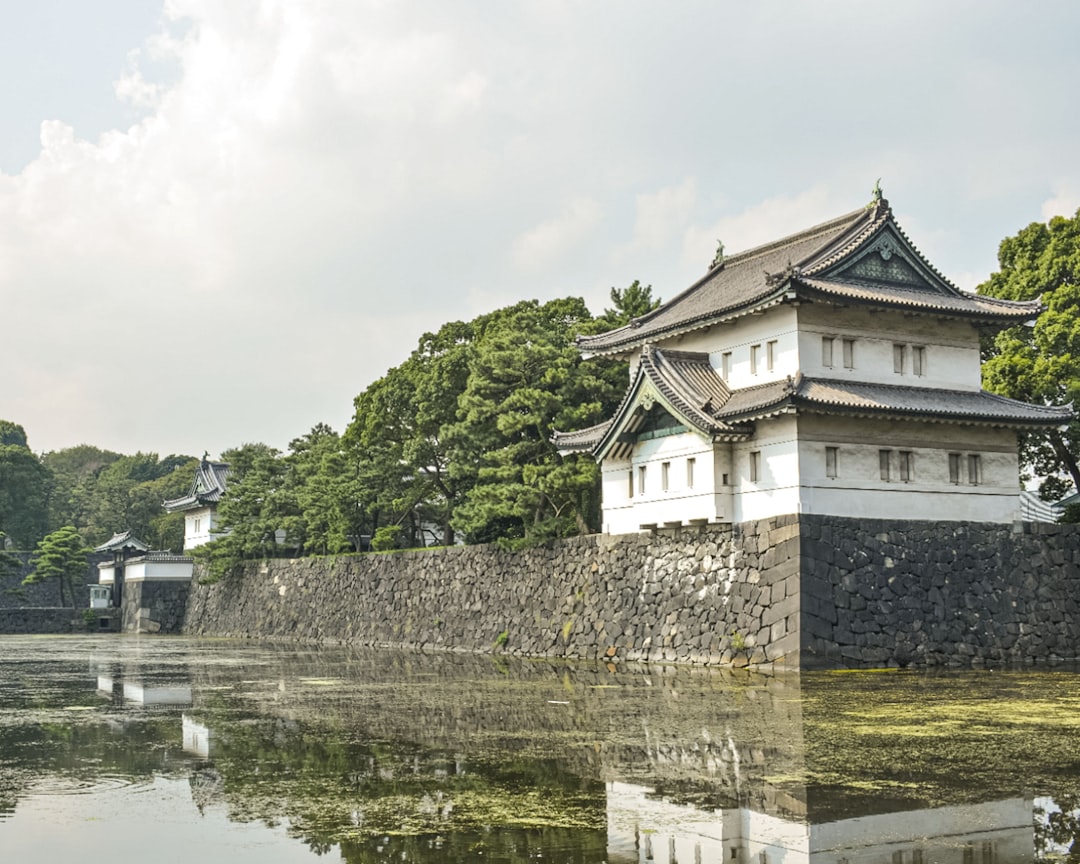

In the vibrant heart of Tokyo, the Imperial Palace stands as a symbol of history and tradition, enveloped in an atmosphere of serenity and beauty. This place is not only the official residence of the Emperor of Japan but also an important historical site that tells centuries of cultural and political evolution. Located in one of the most dynamic cities in the world, the Imperial Palace is a fascinating contrast between Tokyo's frenetic modernity and the deep roots of its history.
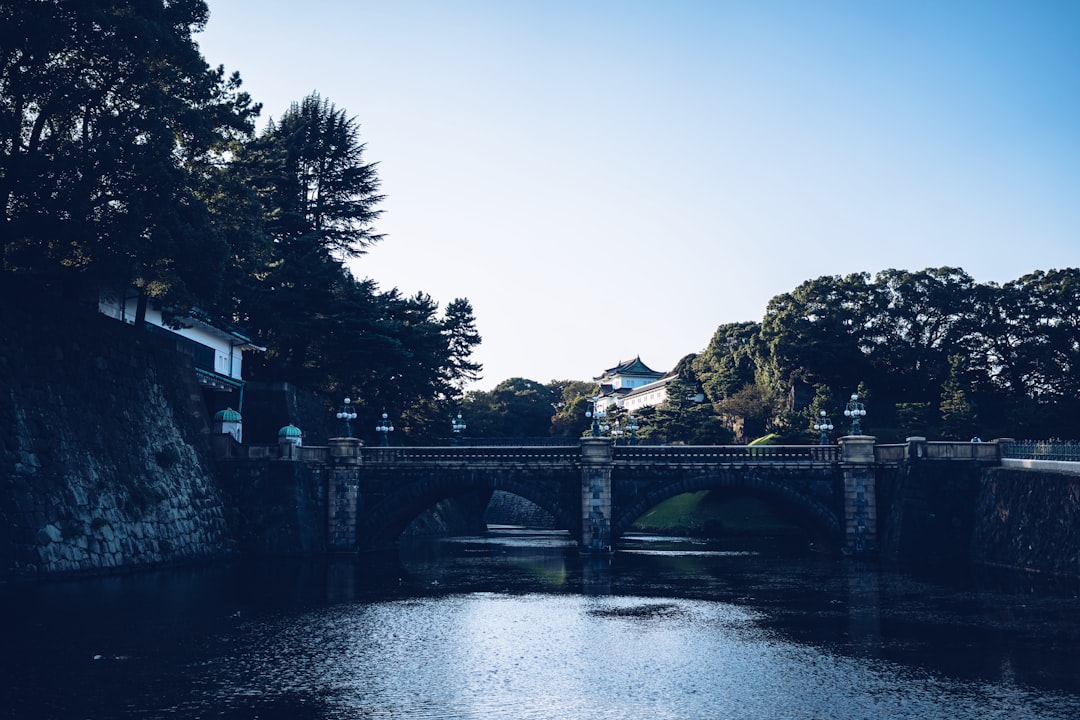
Surrounded by expansive gardens and moats, the Imperial Palace is a refuge of tranquility, where visitors can immerse themselves in the beauty of nature and Japanese culture. Its strategic location, with coordinates 35.6852000, 139.7528000, makes it easily accessible and attractive for anyone wishing to explore the Japanese capital.
History and Origins
The Imperial Palace has a history that dates back centuries, when Tokyo was known as Edo. In 1868, with the Meiji Restoration, Edo became Tokyo and the Imperial Palace was designated as the imperial residence. The current structure was rebuilt after World War II but retains architectural elements that reflect Japanese tradition. The history of this place is intrinsically linked to the figure of the Emperor, a symbol of unity and cultural continuity.
Over the years, the Imperial Palace has witnessed significant historical events and has hosted numerous visitors, including dignitaries and heads of state. Its historical importance is palpable in every corner, from the meticulously maintained gardens to the ancient walls that tell stories of a rich past filled with events and changes. The Imperial Palace is a silent witness to Japan's transformation from a feudal nation to a modern power.


