


In the heart of Oman, mosques represent not only places of worship but also symbols of a rich cultural and architectural tradition. These sacred spaces, with their elegant lines and intricate decorations, offer a unique window into the spirituality and daily life of the Muslim community. Visiting them is an opportunity to immerse oneself in an atmosphere of peace and reflection, away from the hustle and bustle of modern cities.
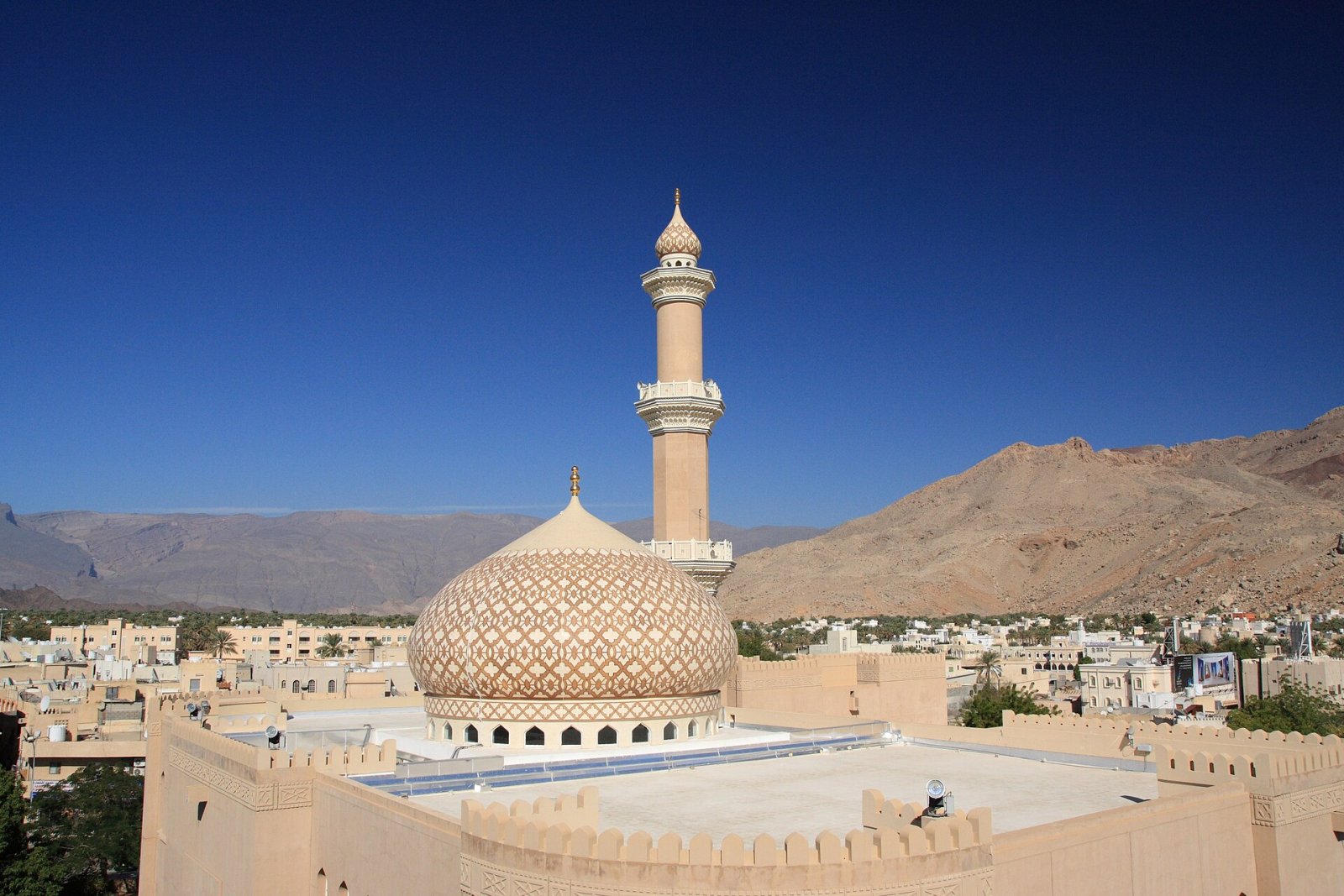
The mosques in Oman, like in many other parts of the Islamic world, are designed to welcome worshippers in prayer and to serve community functions. They represent a meeting point for the community and a place of learning, where culture and religion intertwine in a single embrace. In this article, we will explore the beauty and importance of mosques in Oman, discovering their historical context, what makes them unique, and how to have an unforgettable experience during your visit.
Historical and Cultural Context
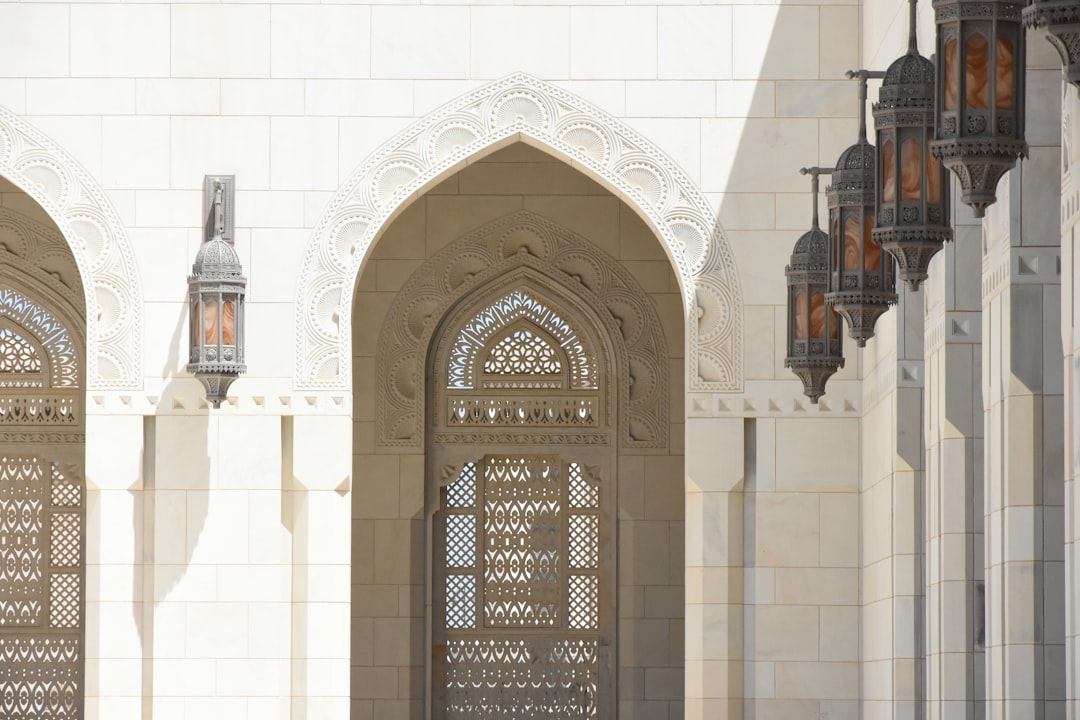
The mosques in Oman are witnesses to centuries of Islamic history and culture. Since ancient times, these structures have played a fundamental role in the lives of Muslims, serving as places of prayer and teaching. The concept of a mosque, or masjid, has evolved over time, adapting to the needs of the community and reflecting local and regional architectural influences. During the period of Islamic expansion, mosques were often built in strategic locations, becoming centers of social and cultural activity.
Today, mosques are not only places of worship but also symbols of Omani cultural identity. Their architecture is characterized by distinctive elements such as minarets, domes, and mihrab, which indicate the direction of Mecca. These structures are often decorated with colorful mosaics and Arabic calligraphy, telling stories of faith and tradition. Visiting a mosque in Oman means immersing oneself in a vibrant and living cultural heritage, where every architectural detail has a profound meaning.
What Strikes You About the Place
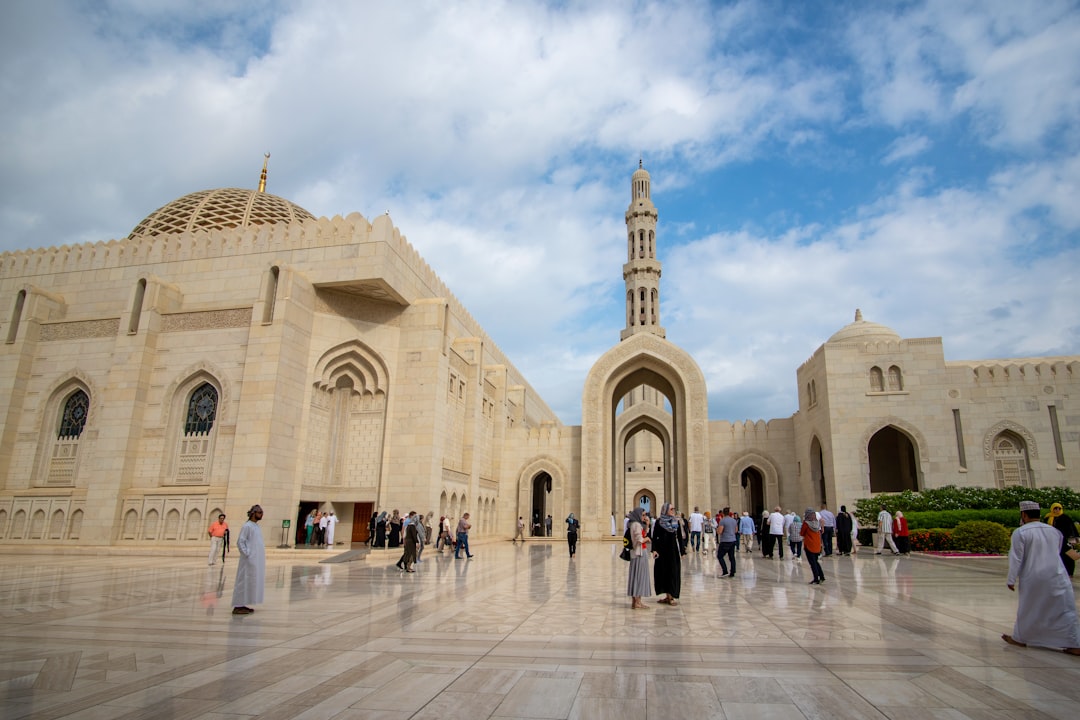
One of the most fascinating features of mosques in Oman is their breathtaking architecture. Each mosque is a work of art, with elaborate details that reflect the craftsmanship of local artisans. The sinuous lines and harmonious shapes of the structures create an atmosphere of serenity and contemplation. The use of local materials, such as stone and wood, gives these mosques a sense of belonging to the Omani landscape.
Moreover, the atmosphere inside a mosque is unique. The calm and tranquility invite reflection and meditation. Visitors may notice how the spaces are organized to facilitate prayer and connection with the divine. The light filtering through the ornate windows creates plays of shadows and colors that enchant the eyes and the soul. Every visit to a mosque is an experience that engages the senses and invites discovery of the spirituality that permeates these places.
Visiting Experience
Visiting a mosque in Oman is an experience that goes beyond mere architectural observation. It is an opportunity to interact with the local culture and gain a better understanding of religious practices. Many mosques are open to visitors, and tourists are often welcomed with warmth and hospitality. It is advisable to respect the dress and behavior norms, as a sign of respect for the sacred place and its attendees.
During the visit, it is possible to witness moments of prayer and meditation, thus immersing oneself in the daily life of Muslims. Many mosques also offer guided tours, which allow for a deeper understanding of the history and architecture of the place. These experiences enrich the understanding of the Islamic religion and its traditions, making the visit even more meaningful and memorable.


