
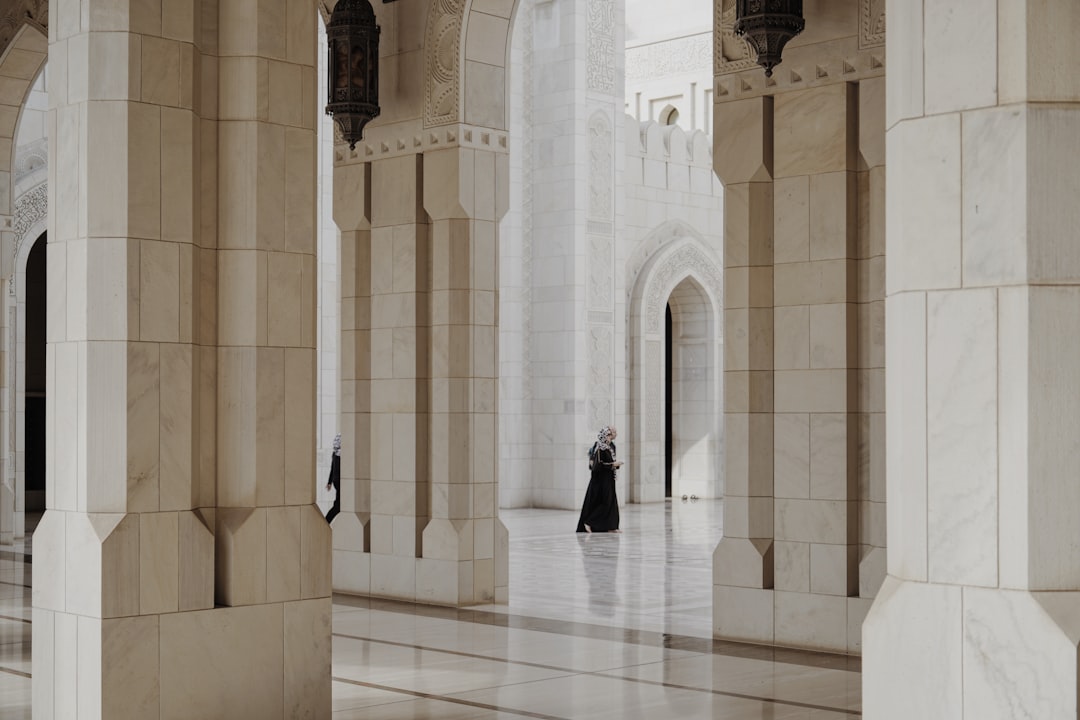

In the heart of Oman, the Mosque represents a sacred place of great importance for the Muslim community. This structure is not just a religious building, but a symbol of identity and culture, a landmark that attracts visitors from all over the world. Its architecture, reflecting Islamic tradition, tells centuries of history and devotion, making each visit a unique and meaningful experience.
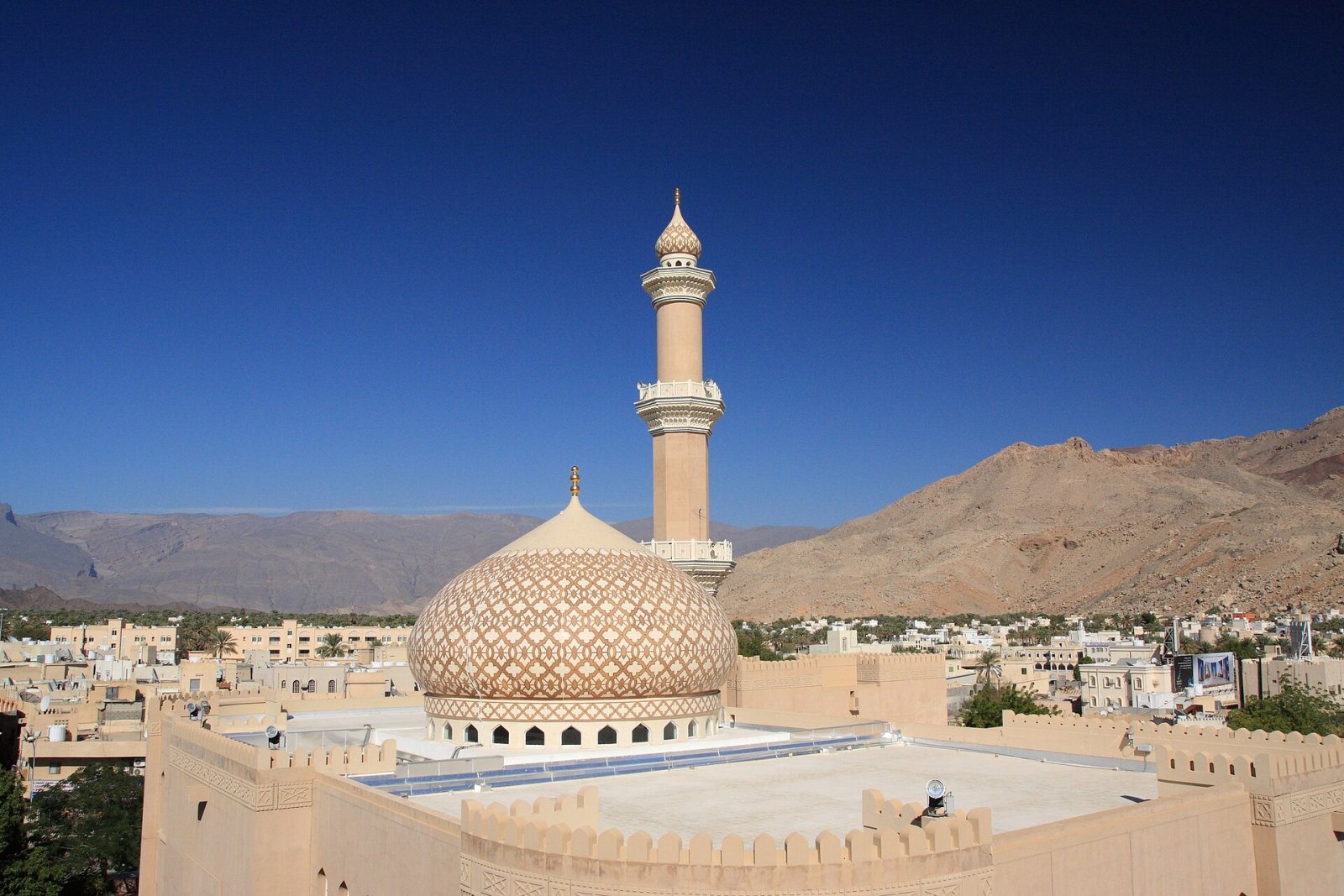
The Mosque, like many others in Oman, is a place where spirituality and art intertwine, offering visitors the opportunity to immerse themselves in a rich and vibrant culture. It is not only a place of prayer but also a space for gathering and community, where people come together to celebrate their faith and traditions.
Historical and Cultural Context

Mosques, in the context of Islam, have historically been places of worship and learning. In Oman, these structures have played a fundamental role in the development of the Muslim community. Since ancient times, mosques have been designed to be spaces for reflection and prayer, often characterized by distinctive architectural elements such as minarets and mihrabs. The Mosque in question is no exception, offering a fascinating insight into Islamic architectural tradition.
Omani culture is strongly influenced by its maritime and commercial history, which has led to cultural exchanges with various civilizations. This exchange is also reflected in the architecture of mosques, which often incorporates styles and construction techniques from various parts of the world. The Mosque is therefore not only a place of worship but also a witness to the history and cultural interactions that have shaped Oman.
What Impresses About the Place
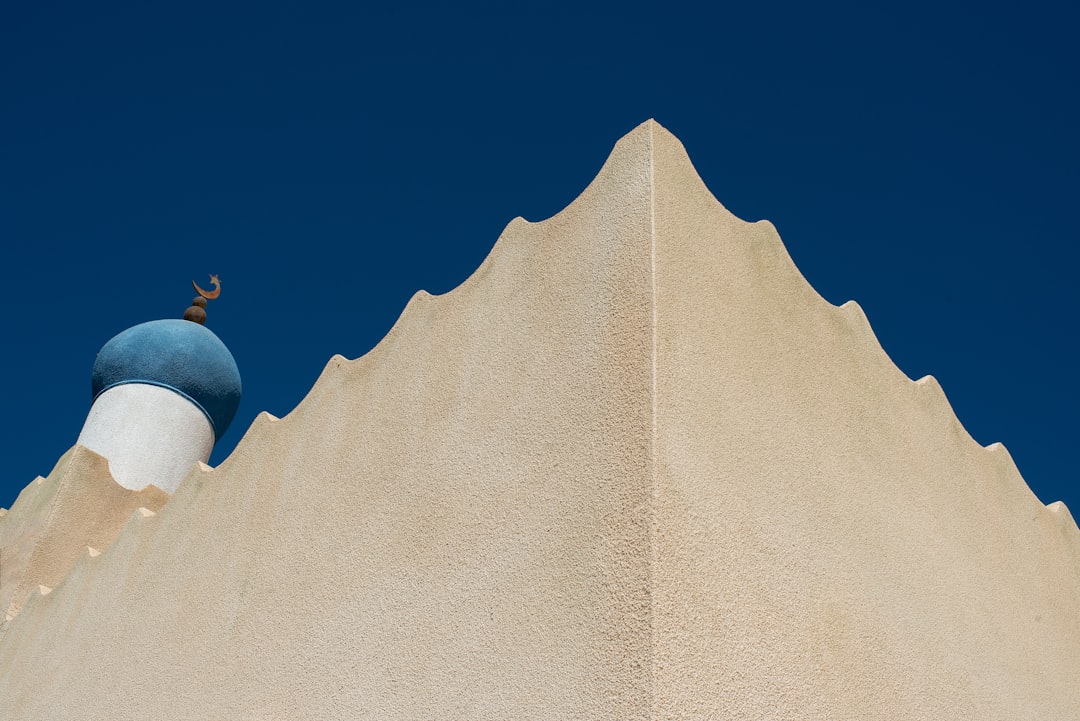
One of the most fascinating features of the Mosque is its magnificent architecture. Visitors are struck by the beauty of the ornamental details, the ceramic decorations, and the intricate Arabic calligraphy that adorns the walls. Every corner of the Mosque tells a story, inviting visitors to explore the richness of Islamic cultural heritage. Moreover, the atmosphere of serenity and contemplation that permeates the interior is palpable, making each visit a profound reflective experience.
Another striking aspect is the spaciousness of the interiors, designed to accommodate a large number of worshippers during prayers. The areas dedicated to ritual purification, such as wudu, are perfectly integrated into the architecture, demonstrating the importance of cleanliness and spiritual preparation in Islamic practice. The Mosque thus presents itself as a place that celebrates not only faith but also the beauty and harmony of spaces.
Visiting Experience
Visiting the Mosque is an experience that goes beyond mere observation. Visitors can participate in guided tours that provide insights into the history and architecture of the building. During these tours, it is possible to learn not only about the religious functions of the Mosque but also about its significance in the daily life of the community. Expert guides are ready to share stories and anecdotes that further enrich the experience.
It is important to note that, as in many places of worship, a certain etiquette is required during the visit. Visitors are invited to respect local practices by wearing appropriate clothing and maintaining respectful behavior. This not only shows respect for the host culture but also enriches the experience, allowing for a complete immersion in the sacred atmosphere of the place.
Practical Information for Visitors
The Mosque is located at geographical coordinates 23.7537386, 57.6098731, easily reachable by public transport or by car. Opening hours may vary, so it is advisable to check in advance to plan the visit. Additionally, many mosques offer informational material in various languages, making access to local culture and history easier for international visitors.
Finally, for those wishing to further explore Oman and its wonders, the Secret World app can provide useful tips and detailed information about other places of interest, enriching the travel experience and allowing for an authentic and engaging discovery of the country.


