
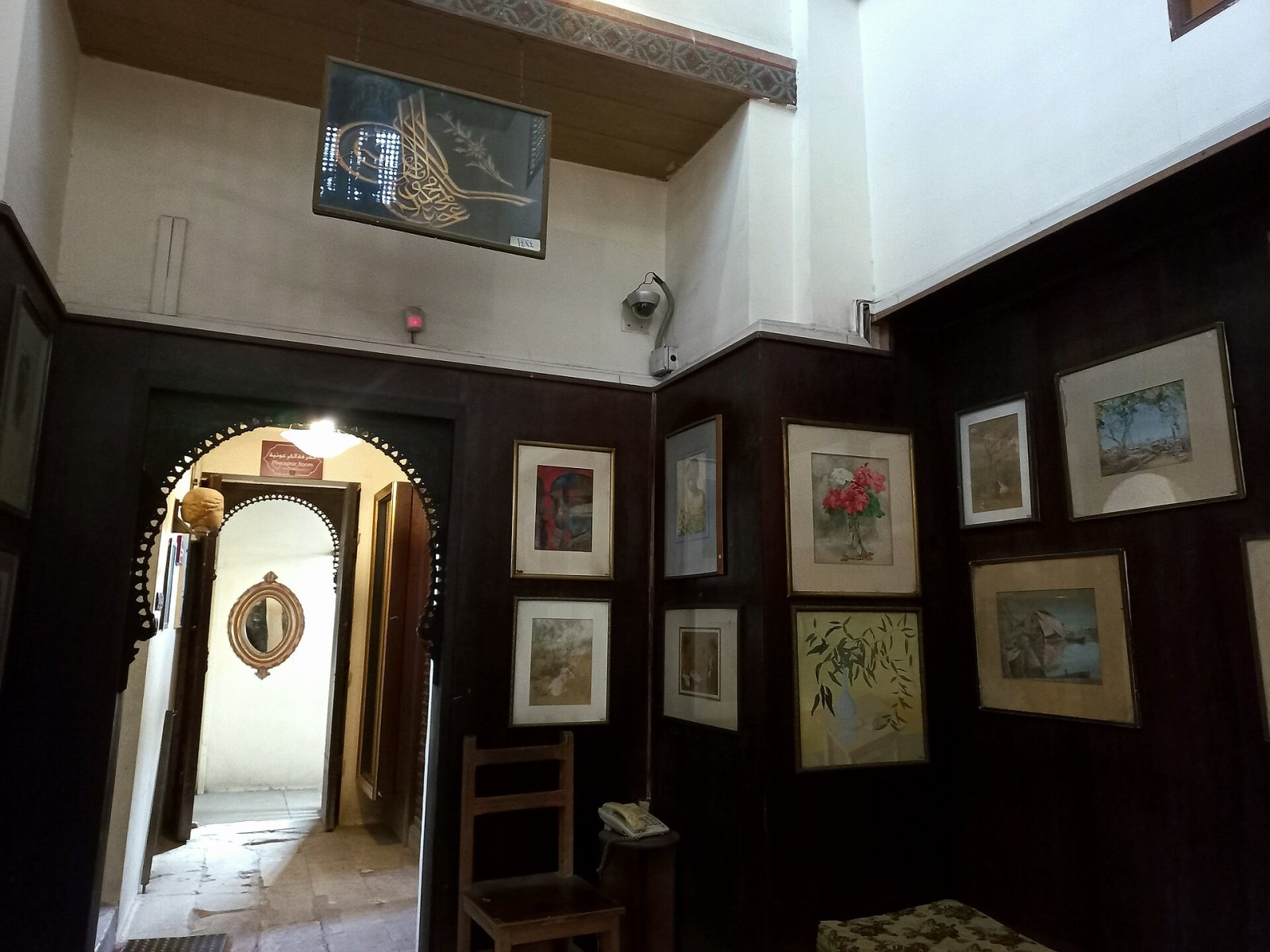

In the heart of Cairo, immersed in the historic charm of one of the world's most fascinating cities, lies the Gayer-Anderson Museum, a place that tells stories of past eras and intertwined cultures. This art museum, located near the Mosque of Ahmad ibn Tulun, is an extraordinary example of 17th-century domestic architecture and represents a window into a time when Egyptian design and craftsmanship reached peaks of excellence.
The museum is named after Robert Grenville Gayer-Anderson Pasha, a British Army officer who lived in this captivating building from 1935 to 1942. His residence was transformed into a museum in 1945, housing a unique collection of furniture, carpets, and art objects that reflect Egypt's rich cultural history.
Historical and Cultural Context
The Gayer-Anderson Museum is located in the Cairo Governorate, an area boasting centuries of history and cultural development. Its position next to the Mosque of Ahmad ibn Tulun, one of the oldest and most significant mosques in the city, adds an additional layer of historical importance. This museum is not just a place of exhibition, but also a guardian of Cairo's historical and cultural memory, representing an era when Western influences began to blend with local traditions.
The residence itself, known as Bayt al-Kritliyya, is considered one of the finest representations of 17th-century domestic architecture. Every corner of this building tells stories of daily life, traditions, and lifestyles, making it a fascinating example of how art and architecture can reflect the culture of a people. The care and attention to detail in its construction are a testament to a period of great creativity and innovation.
What Stands Out About the Place
One of the most captivating features of the Gayer-Anderson Museum is its vast collection of art objects, which includes finely carved furniture, exquisite carpets, and curious artworks. Each displayed piece has been carefully selected to represent not only the aesthetics of the time but also the functionality of the objects in the daily lives of Egyptians. The interior spaces, with their vaulted ceilings and beautiful decorations, offer visitors the chance to immerse themselves in an atmosphere of elegance and refinement.
Moreover, the museum is a perfect example of how architecture can tell stories. The rooms, each with its own character and style, are arranged in such a way as to guide visitors through a journey in time. The combination of traditional architectural elements and artistic decorations creates a unique visual and sensory experience, leaving a lasting impression on anyone who crosses the threshold of this extraordinary place.
Visiting Experience
Visiting the Gayer-Anderson Museum is an experience that goes beyond mere observation. Visitors can explore the interior spaces and admire the beauty of each room, while knowledgeable guides share fascinating stories about Gayer-Anderson's life and the significance of the displayed objects. The opportunity to interact with history, to feel the echoes of voices from the past, makes this visit particularly engaging.
Additionally, the museum offers a tranquil atmosphere, away from the hustle and bustle of modern Cairo. History and art lovers will find in this place an ideal refuge to reflect and appreciate the beauty of an era that has left an indelible mark on Egypt's cultural heritage. Each visit can reveal new details and deepen one's understanding of Egyptian culture.
Practical Information for Visitors
The Gayer-Anderson Museum is easily accessible due to its central location in Cairo. It is advisable to plan the visit in advance, considering that the museum may have specific opening and closing hours. Visitors can explore the museum independently, but for a deeper understanding of the exhibitions, it is recommended to join a guided tour.
Finally, for those who wish to further enhance their experience, the Secret World app offers useful information and tips for visitors, helping to uncover every hidden corner of this extraordinary museum and the city surrounding it.


