
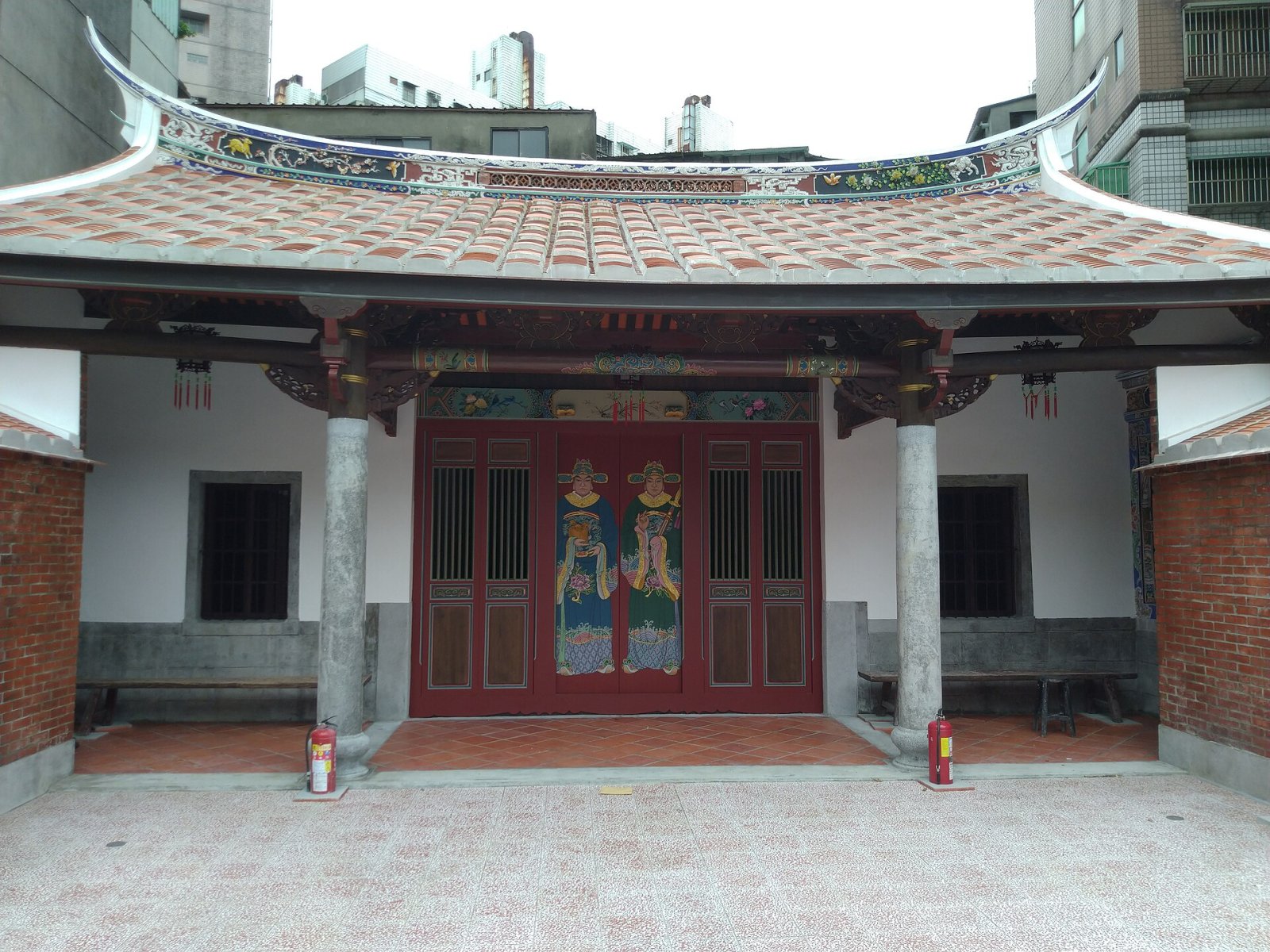

Hidden among the streets of Taiwan, 板橋迪毅堂 is a historical site that tells the tales of a bygone era, dating back to 1873. This place is a symbol of Taiwanese culture and history, a landmark for those wishing to delve into the island's historical roots. Its architecture and cultural context offer a fascinating glimpse into life in Taiwan during the time of its construction.
The beauty of 板橋迪毅堂 lies not only in its history but also in how it has managed to preserve its charm over time. Visitors who venture here can immerse themselves in an atmosphere that evokes the past, while being just steps away from today's modernities. A perfect balance between tradition and contemporaneity makes this site a must for every traveler.
History and Origins
Built in 1873, 板橋迪毅堂 is a significant example of historical architecture in Taiwan. Originally conceived as a place of worship, it represents an important expression of local spirituality and religious practices. Its construction was influenced by Chinese traditions, reflecting the cultural heritage that characterizes the island. The structure has withstood the test of time, witnessing the social and cultural transformations that Taiwan has undergone over the years.
Throughout its long history, 板橋迪毅堂 has served not only as a place of worship but also as a community center, where local events and celebrations took place. This aspect has helped cement its importance in the daily lives of the local inhabitants, making it a symbol of cultural identity. Today, the site is recognized as an important historical heritage, highlighted by its inclusion in the list of historical sites at the municipal level in Taiwan.
Elements to Observe
Visiting 板橋迪毅堂, guests can admire its unique architecture, characterized by ornamental details and a design that reflects local artistic traditions. The elaborate decorations and vibrant colors of the walls tell stories of devotion and art, offering a visual spectacle that captures the attention of every visitor. Every corner of the site is imbued with meaning, allowing observers to grasp the depth of Taiwanese culture.
Moreover, the atmosphere surrounding 板橋迪毅堂 is equally captivating. The site is immersed in a natural context that invites contemplation and reflection. Walking around, one can sense a feeling of peace and connection with history. The tranquility of the place offers a unique opportunity to step away from the hustle and bustle of modern life and immerse oneself in an experience that enriches the soul and mind.
Why It Is Interesting Today
Today, 板橋迪毅堂 represents not only an important tourist attraction but also a landmark for the local community. Its historical relevance continues to inspire both residents and visitors, who come here to better understand the traditions and culture of Taiwan. The presence of cultural events and religious celebrations at the site helps keep its heritage alive, making it a vibrant and dynamic place.
In an increasingly globalized world, visiting 板橋迪毅堂 offers an opportunity to reflect on cultural diversity and the richness of local traditions. This site is not just a place to visit but an experience to live, allowing one to appreciate the history and culture of Taiwan in an authentic and engaging way. For those wishing to further explore the island's cultural heritage, the Secret World app can provide valuable information and useful tips.


