
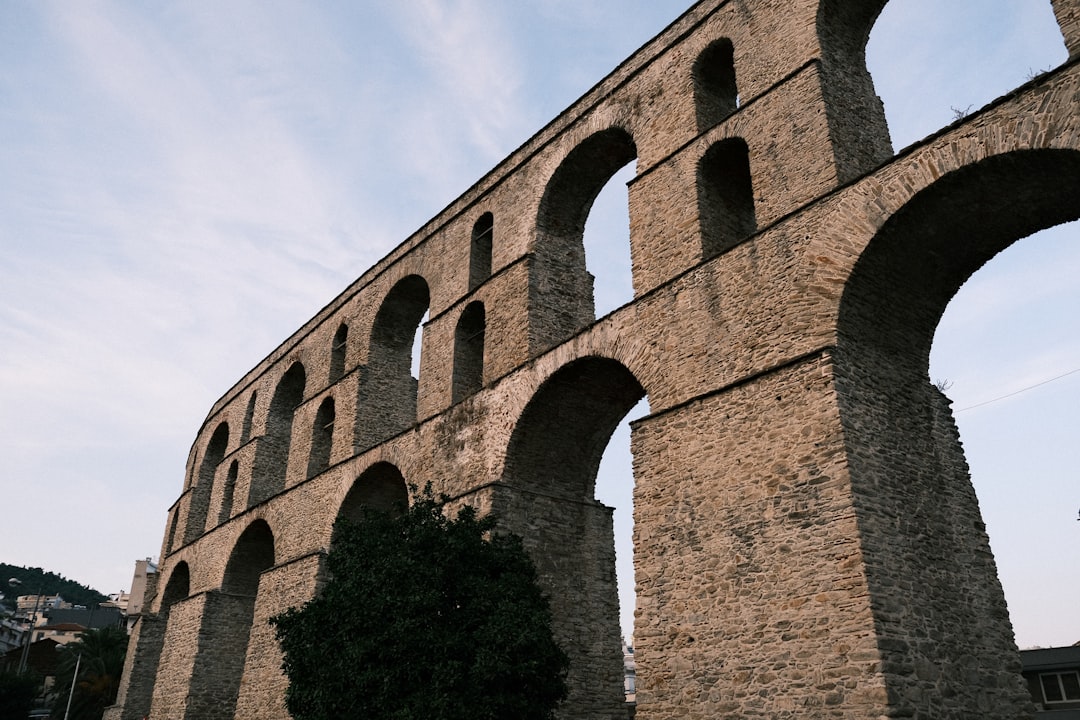

In the heart of the Minoa Pediada region in Greece stands the imposing Lyttos Aqueduct, an engineering marvel that tells stories of a distant and fascinating past. This aqueduct, which stretches across breathtaking landscapes, is a testament to the sophisticated Minoan civilization and its extraordinary architectural capabilities. Its presence offers a unique opportunity to explore not only ancient history but also the natural beauty surrounding this historical wonder.
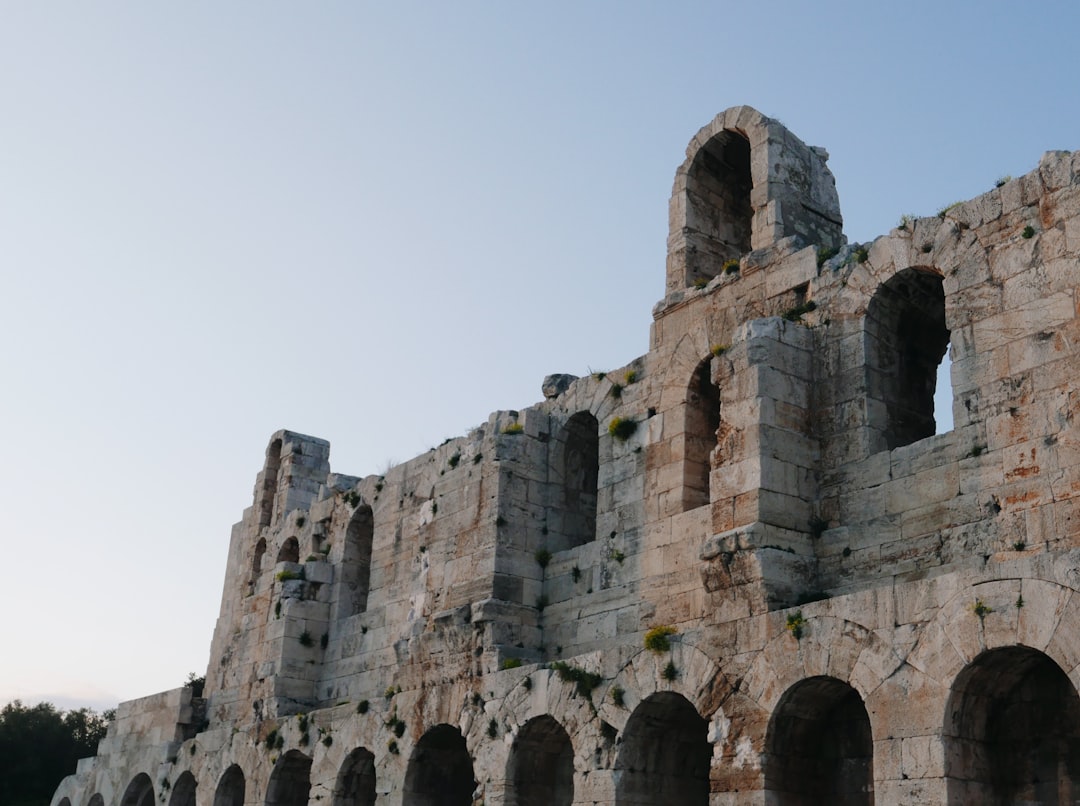
Visiting it is an experience that goes beyond merely observing a structure; it is a journey through time, where every stone tells stories of ingenuity and resilience. The aqueduct, with its elegant lines and functional design, represents the perfection of ancient architecture, a symbol of the connection between man and water, essential for the life and prosperity of ancient civilizations.
History and Origins
The construction of the Lyttos Aqueduct took place during a time when Minoan communities thrived thanks to a highly developed water supply system. Although specific details about the construction dates or founders are not available, it is evident that this structure reflects the importance of water in the daily lives of the inhabitants of Lyttos. Its sophisticated design indicates a deep understanding of engineering techniques, allowing water to be transported from distant sources to the urban center.
The strategic location of the aqueduct, situated at 35.1987692 latitude and 25.3817906 longitude, suggests that it was part of a broader network of water infrastructure, crucial for sustaining local populations. Its construction not only demonstrates the ingenuity of the Minoans but also their ability to create an urban environment that met the needs of the community.


