
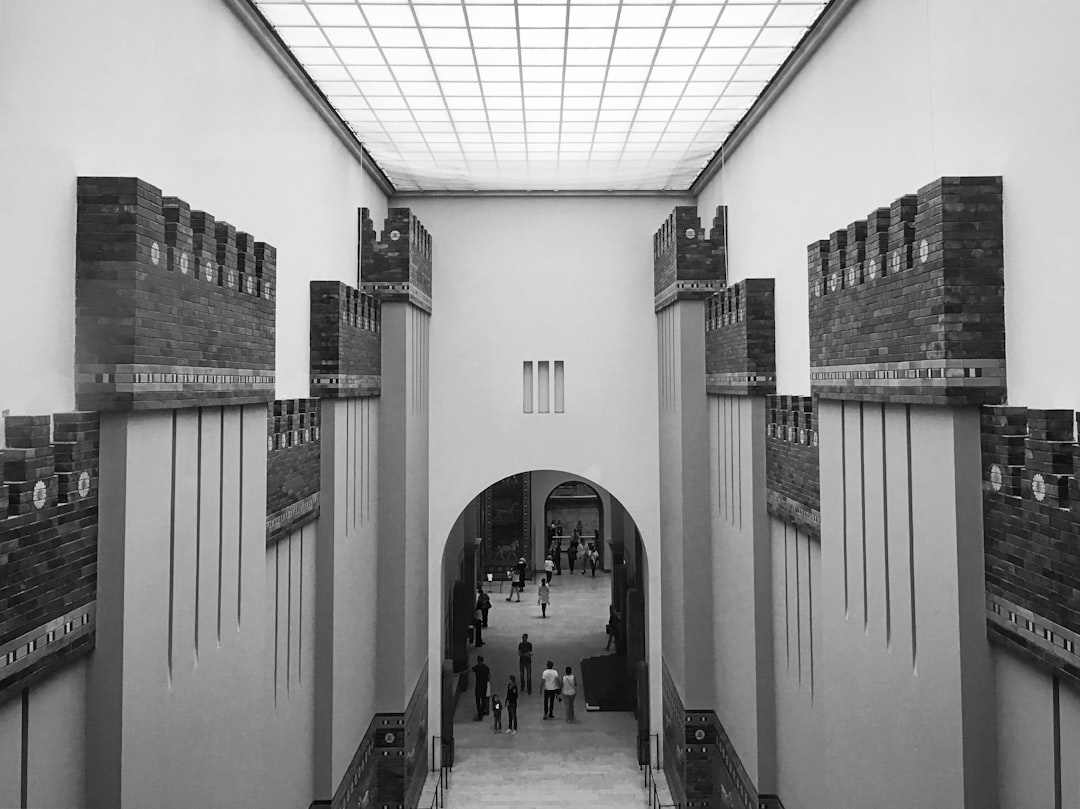

In the heart of the German capital, Berlin, stands the Pergamonmuseum, a museum that not only houses some of the most extraordinary works of art and archaeological finds in the world but also tells the story of ancient civilizations and their influence on contemporary culture. This cultural monument, located on Museum Island, is a must for every art and history enthusiast visiting the city.
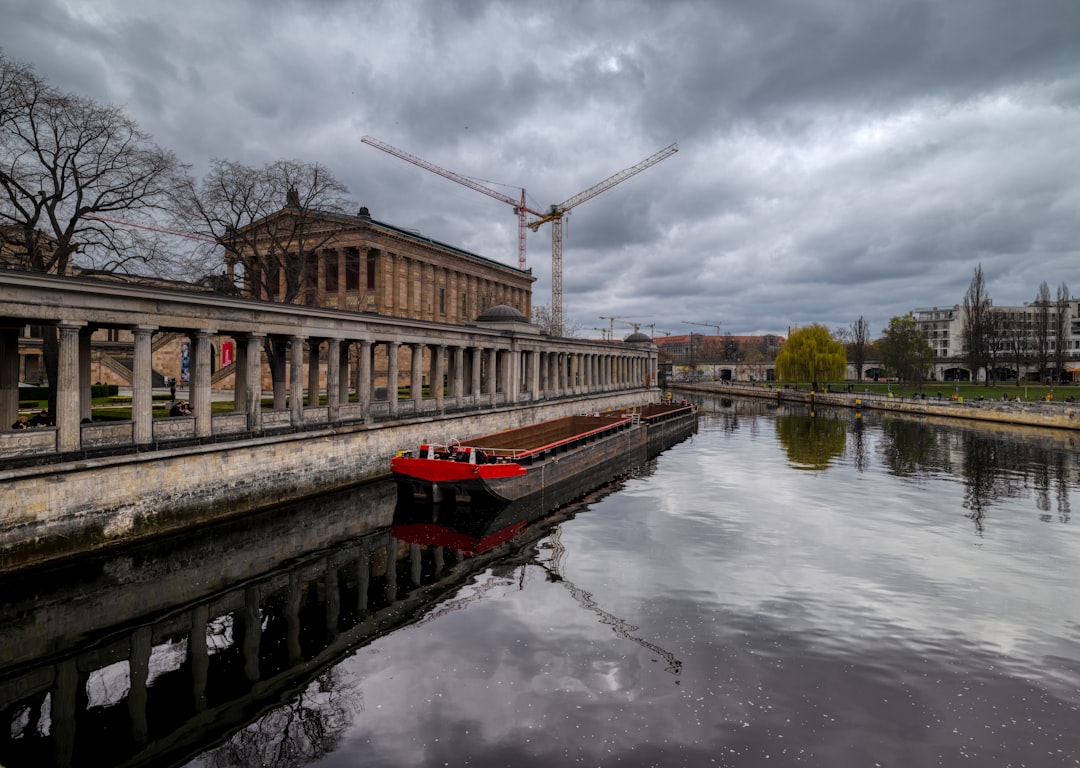
The structure, inaugurated in 1930, is an example of impactful museum architecture, designed to host works from various eras and places, including the famous Pergamon Altar and the Ishtar Gate. Every year, millions of visitors flock to admire these wonders, making the museum one of Berlin's main tourist attractions.
Historical and Cultural Context
The Pergamonmuseum was conceived at a time when Europe was rediscovering its cultural and artistic heritage. Its collection is the result of archaeological excavations conducted in the Middle East and Asia Minor, uncovering artifacts that date back millennia. The history of the museum is intrinsically linked to the history of Berlin, a city that has witnessed the passage of various eras, from Prussian monarchies to the Nazi era, to the division and reunification of Germany.
Each section of the museum tells a unique story: from Greek and Roman art to Islamic art, the Pergamonmuseum offers an extraordinary overview of the cultures that have influenced the Western world. Its importance is such that it has been included in the UNESCO World Heritage list, recognizing its value not only for Germany but for all humanity.
What Impresses About the Place
What strikes visitors most about the Pergamonmuseum is the grandeur of its exhibitions. The Pergamon Altar, with its monumental sculptures, transports visitors to another era, while the Ishtar Gate, adorned with bright blue tiles, is an extraordinary example of Babylonian art. The care with which the exhibition spaces have been arranged allows for a full appreciation of the beauty and complexity of these works, making each visit a unique experience.
Moreover, the museum is a place of cultural interaction; it often hosts events, lectures, and temporary exhibitions that further enrich the city's cultural offerings. The fusion of art, history, and architecture creates an atmosphere that stimulates reflection and admiration, making the Pergamonmuseum an unmissable place for anyone wishing to better understand the roots of European culture.
Visiting Experience
Visiting the Pergamonmuseum is an experience that goes beyond simply observing works of art. Visitors can take advantage of audio guides that provide insights into the collections and the history of the museum, allowing them to explore every corner with greater awareness. Additionally, the atmosphere inside the halls is filled with wonder and curiosity, with visitors of all ages stopping to admire the details of the works.
It is advisable to plan the visit in advance, considering that the museum can be crowded, especially on weekends. The option to book tickets online facilitates access, allowing visitors to avoid long waits. Don't forget to visit the café inside the museum, where you can refresh yourself after an intense day of exploration.
Practical Information for Visitors
The Pergamonmuseum is located in Berlin, easily accessible by public transport. Admission is charged, but there are discounts for students and groups. Opening hours vary depending on the day, so it is advisable to check the official website before your visit. Additionally, the museum is accessible to people with reduced mobility, ensuring that everyone can enjoy the wonders on display.
In conclusion, a visit to the Pergamonmuseum is not just a journey into the past but an opportunity to reflect on the present and future of cultures. For those wishing to further explore the beauties of Berlin, the Secret World app offers suggestions and personalized itineraries, making every travel experience even more memorable.


