
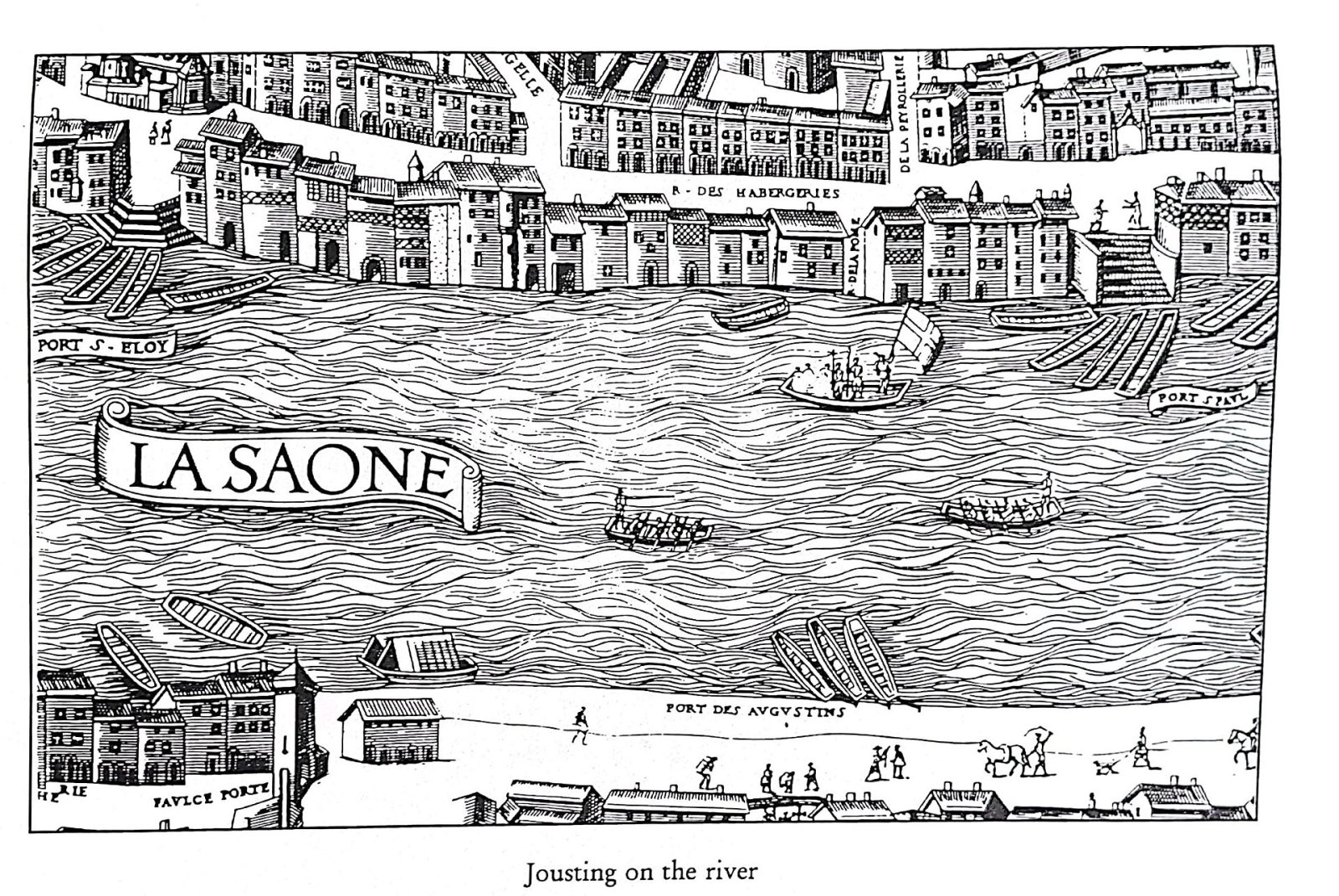

Vieux-Lyon, the historic district of the city of Lyon, is a place where time seems to have stood still. This area, which stretches along the banks of the Saône River, is a treasure of Renaissance architecture and history, making it a must-visit destination for culture and gastronomy lovers. Its privileged location between the Rhône and Saône rivers has allowed Lyon to become an important commercial and cultural center over the centuries.
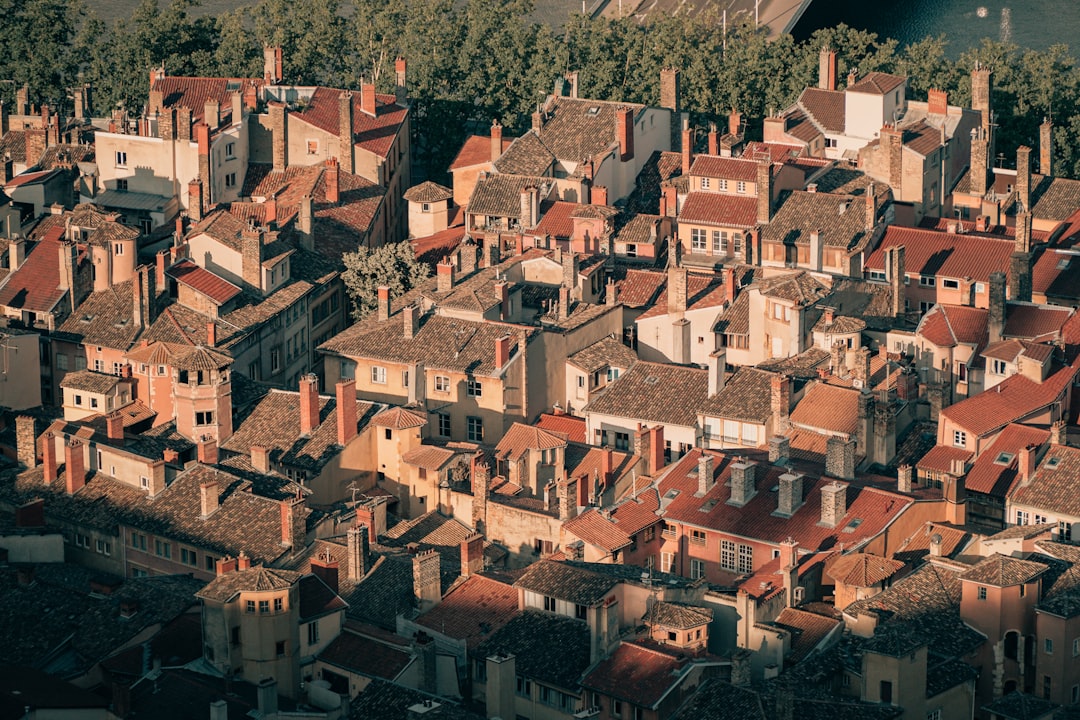
Walking through its cobbled streets, visitors can admire historic buildings that tell the story of the city, from its Roman origins to the period of economic and cultural revival. Vieux-Lyon is a perfect example of how history and modernity can coexist harmoniously, offering a unique experience to those who choose to explore it.
History and Origins
Lyon was the capital of the Gauls during the Roman Empire, a period that left an indelible mark on the city. Vieux-Lyon is rich in testimonies from this era, with numerous Roman remains still visible today. The city continued to thrive over the centuries, becoming an important center for silk production during the Renaissance, which further enriched its cultural and architectural heritage.
The Vieux-Lyon district is recognized for its narrow streets and colorful facades, reflecting the influence of Renaissance culture. The presence of numerous historic buildings, including churches and palaces, attests to Lyon's importance as a center for commercial and cultural exchanges. Today, Vieux-Lyon has been declared a UNESCO World Heritage Site, a recognition that underscores its historical and architectural value.


