
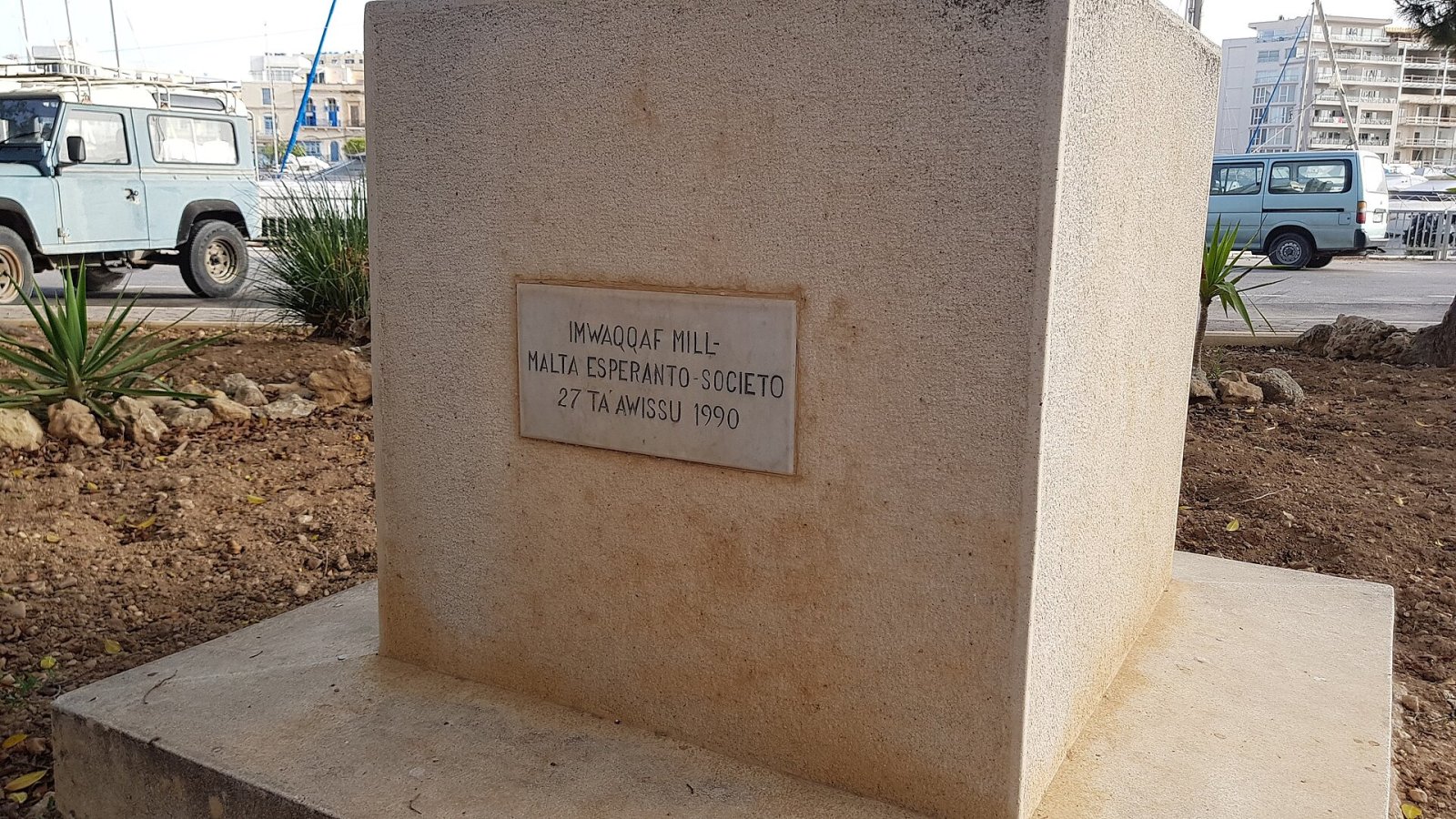

In the heart of Malta, a place of great cultural significance stands as a testament to a revolutionary idea: L. L. Zamenhof. This corner of the island is not just a geographical point, but a symbol of hope for a united world through language. Ludwik Zamenhof, its founder, created Esperanto, a language designed to foster communication among diverse peoples and break down language barriers. His vision of a world without conflict remains a beacon of inspiration today, and visiting this place means immersing oneself in a history of innovation and intercultural dialogue.
The figure of Zamenhof has been recognized internationally, so much so that in 2017 UNESCO selected him as one of its eminent personalities to commemorate the centenary of his death. His legacy lives on through Esperanto communities worldwide, which continue to grow and thrive, making this place a landmark for those who believe in the importance of language as a tool for peace and understanding.
Historical and Cultural Context
Ludwik Zamenhof was born in 1859 in a Poland that was a melting pot of cultures and languages. Growing up in a multilingual environment, Zamenhof developed from a young age the desire to create a language that could unite people, reducing misunderstandings and conflicts. His work culminated in 1887 with the publication of Esperanto, a language that has attracted millions of speakers around the world. Zamenhof's ideal was to promote peace and mutual understanding, a message that still resonates today, especially in an era of global divisions.
Malta, with its history of cultural encounters and trade exchanges, presents itself as the ideal stage to reflect on Zamenhof's legacy. Here, the influences of the various civilizations that have traversed the island intertwine, creating a fertile environment for intercultural dialogue. The choice of Malta as a reference point for Zamenhof's figure is not accidental; it is a reminder of the importance of communication and understanding in an increasingly complex world.
What Impresses About the Place
Visiting the site dedicated to L. L. Zamenhof, one encounters an enveloping atmosphere where history and culture intertwine harmoniously. The surrounding architecture, typical of Maltese style, offers a fascinating contrast to the universal message of unity and peace that Zamenhof sought to convey. Every corner of this place invites reflection, making it evident how powerful a language can be in connecting people.
Moreover, the community of Esperanto speakers that gathers in this place is a living element of its legacy. Cultural events, debates, and celebrations of the language not only commemorate Zamenhof but also offer visitors the opportunity to interact with people from around the world, uniting diverse cultures and stories under the common denominator of Esperanto. This exchange of ideas and experiences further enriches the visit, making it a memorable experience.
Visiting Experience
A visit to L. L. Zamenhof is a journey that goes beyond the traditional tourist experience. Here, every visitor has the opportunity to immerse themselves in a vibrant and welcoming community. The opportunities for learning are numerous: from Esperanto language courses to creative writing workshops, every activity is an invitation to explore the power of communication. The passion of Esperanto speakers is contagious and invites reflection on how words can build bridges between different cultures.
Additionally, visitors can take advantage of Malta's natural beauty, exploring the scenic wonders that surround the site. From the rugged coastline to the historic fortified cities, every step outside Zamenhof's site offers new discoveries. This combination of culture and nature makes the visit a complete experience, capable of captivating and inspiring anyone who ventures there.
Practical Information for Visitors
For those wishing to visit L. L. Zamenhof, it is advisable to plan the trip in advance. Malta is well connected with international flights and offers various public transport options to reach the site. Once there, it is possible to participate in events and activities that take place regularly, making each visit unique and engaging.
Furthermore, for those who wish to deepen their knowledge of Esperanto, it is recommended to bring a dictionary or a language guide, so as to interact with community members. The availability of informational materials makes the experience even more enriching. Finally, to discover further details and useful tips, the Secret World app offers valuable information for every curious traveler.


