


Where once bombs fell, today the sound of applause rises. The entrance to Valletta, the capital of Malta, holds one of the boldest architectural transformations in the Mediterranean: the ruins of the Royal Opera House, destroyed by bombings during World War II in 1942, have become an open-air theater that has not sought to erase its scars, but has transformed them into a stage.
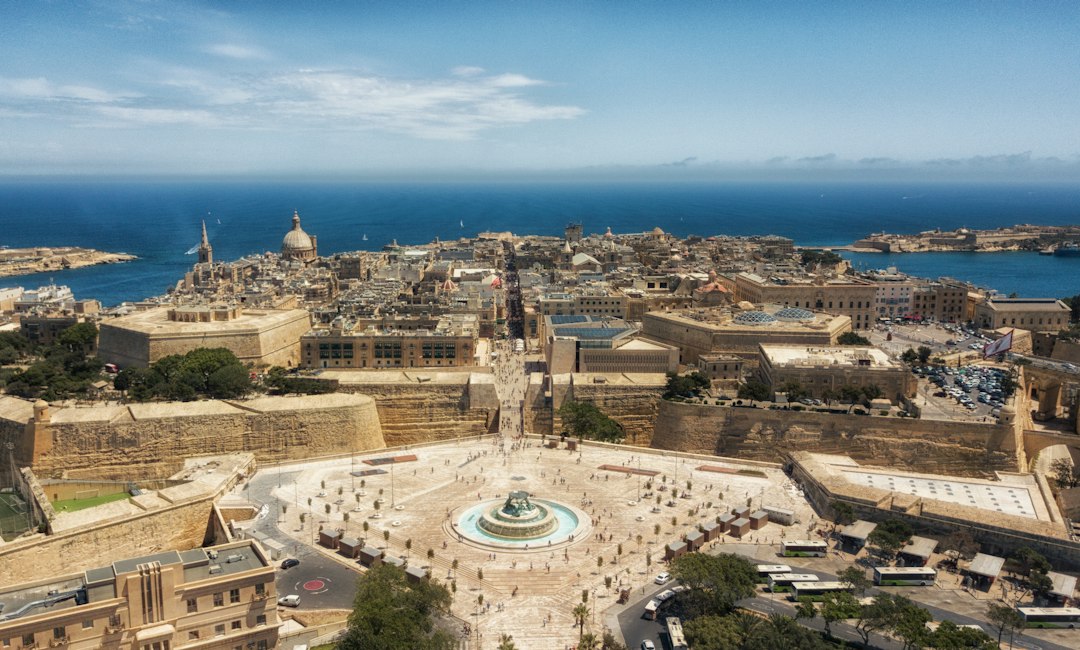
The project is signed by Renzo Piano, the famous Genoese architect already known for the Centre Pompidou in Paris and the Auditorium Parco della Musica in Rome. Completed in 2014, his intervention in Valletta has redesigned the entire entrance area to the city, creating what is now called Pjazza Teatru Rjal — a name that acknowledges the site's operatic past while embracing its new identity.
A theater built on the ruins of war
Walking along Triq ir-Repubblika, the main street of Valletta, one suddenly finds oneself in front of something unexpected: the original neoclassical columns of the Royal Opera House still stand, partially intact, like a skeleton of honey-colored limestone. Piano did not demolish or completely restore them — he let them speak, inserting between them a lightweight structure of steel and wood that houses the auditorium of the modern theater.
The contrast is deliberate and powerful: the ancient gray of Maltese stone dialogues with the metallic white of the new structural elements. The light wooden bleachers, arranged to take advantage of the natural slope of the land, can accommodate several hundred spectators. There is no roof — the sky of Malta, almost always clear, is the ceiling of the theater. When the sun sets behind the bastioned walls and the stars appear above the bombed columns, the scenic effect is hard to describe without falling into hyperbole.
The urban context: a miniature capital
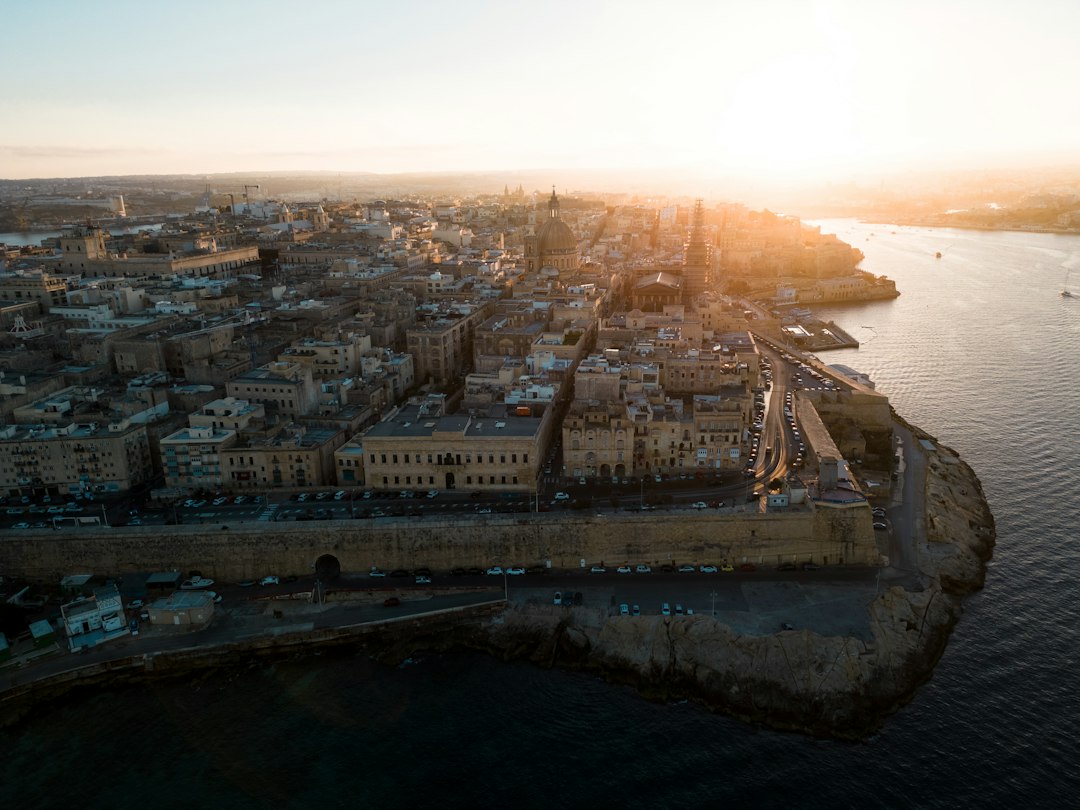
Valletta is the smallest capital of the European Union, with an area of about 0.8 square kilometers and a resident population of a few thousand inhabitants. It was founded in 1566 by the Knights of St. John after the Ottoman siege of 1565, and its orthogonal grid structure — very rare for the time — is still perfectly legible when walking through it.
The design by Piano was not limited to the theater: it also redesigned the City Gate, the main access gate to the city, replacing a structure from the Sixties that was considered an architectural mistake. The new portal, inaugurated along with the theater in 2014, is a sharp slit between two walls of limestone — essential, almost brutal in its simplicity, yet perfectly scaled with the bastioned walls of the 16th century that surround it. Next to it, the Parliament of Malta, also designed by Piano, occupies a building two blocks high with facades of locally quarried stone worked into geometric patterns that change appearance with the light of day.
What to Observe on Site
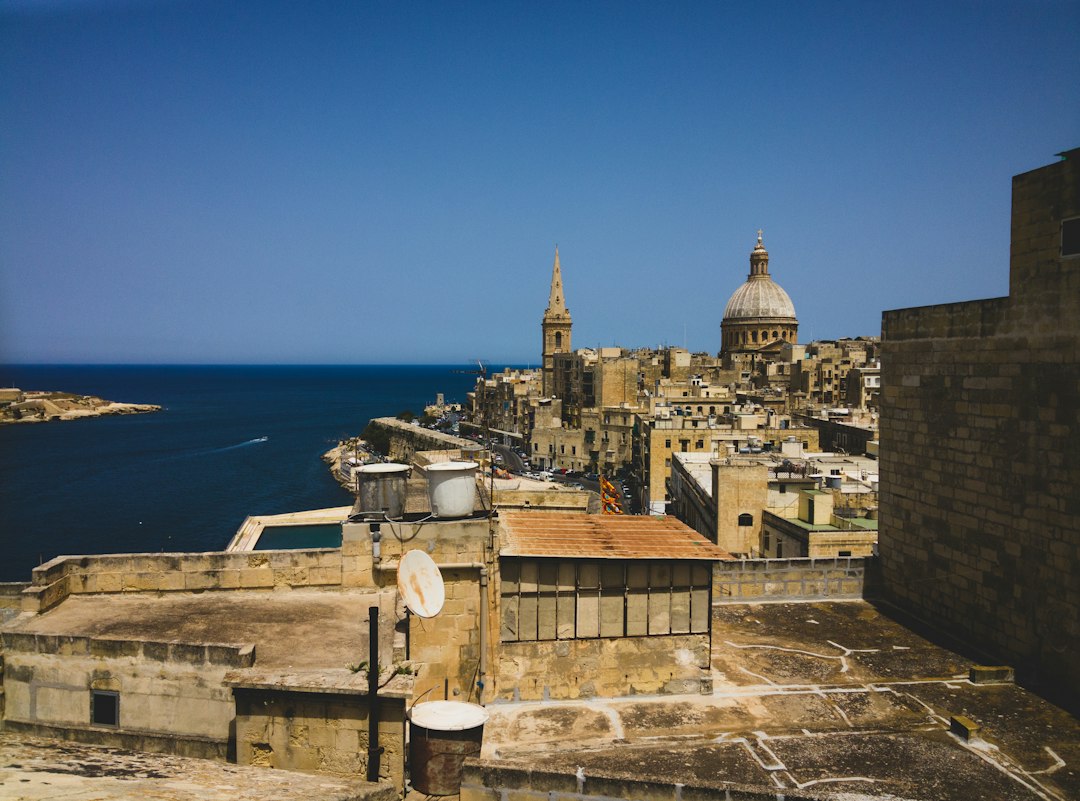
As you approach the site, it is worth stopping to observe the original limestone of the surviving columns of the Royal Opera House: you can still see the marks of shrapnel and flames, neither polished nor hidden. Piano chose not to restore those surfaces, allowing the traces of war to remain visible as a historical document incorporated into the architecture.
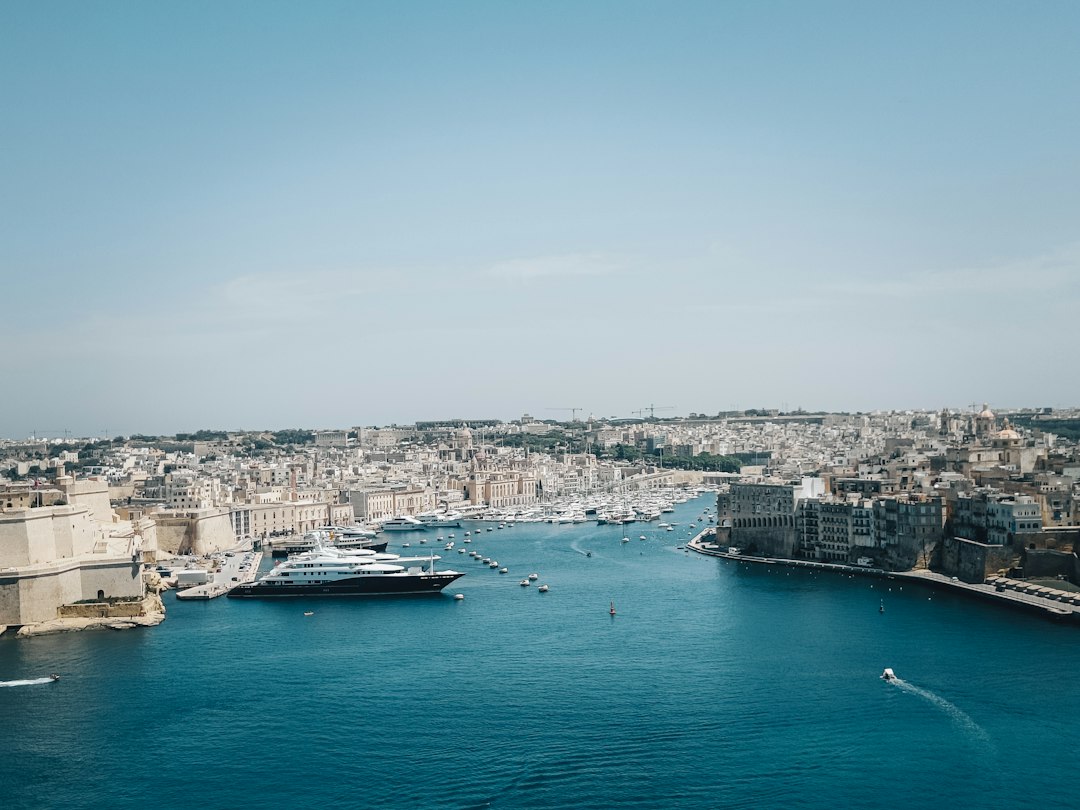
Looking up from inside the auditorium, you can see the steel beams that support the modern structure gently interlocking with the ancient columns without touching them directly — a technical detail that takes a few seconds to fully appreciate. On the opposite side, the new City Gate offers a perfect framing towards the Grand Harbour, one of the largest natural harbors in the Mediterranean, visible in the distance along the visual axis of the main road.
Practical tips for the visit
The area of Pjazza Teatru Rjal is accessible for free and without entry times — it is a public space open to all. The best time to visit is in the late afternoon, when the slanting light enhances the textures of the limestone and the shadows of the columns create geometries on the floor. Avoid the central hours of the day in summer, when the overhead sun flattens the volumes and the heat can be intense.
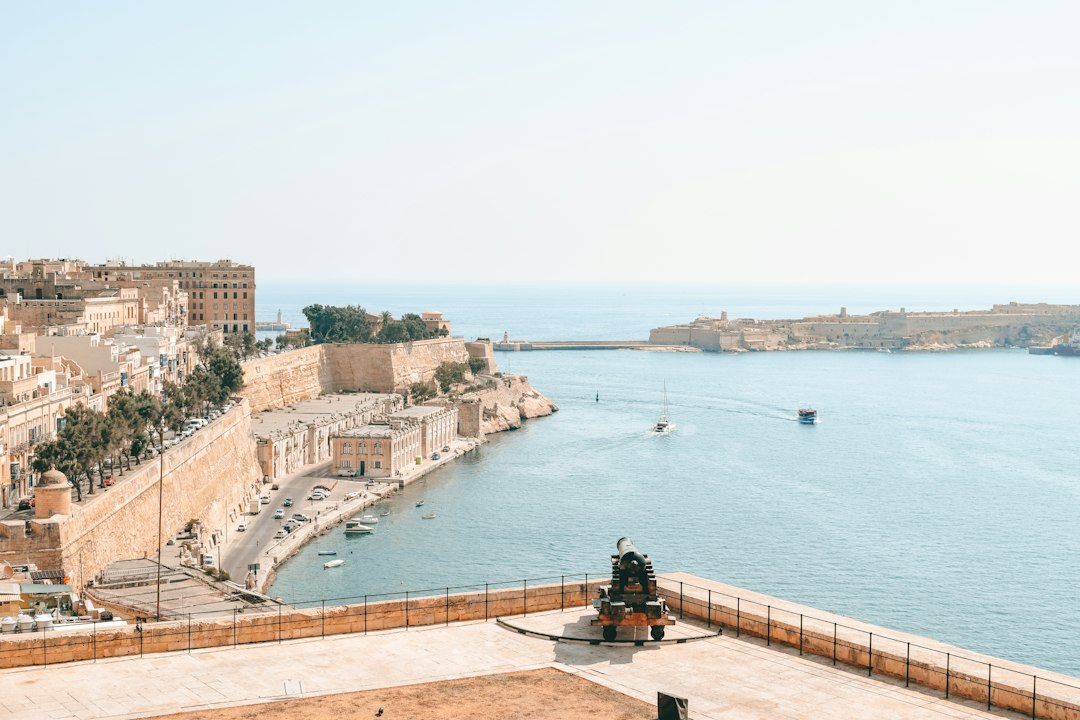
Valletta can be reached by ferry from the port of Sliema in just a few minutes, or by public buses that converge at the terminal outside the walls. Once inside the walls, the city can be explored entirely on foot: from the City Gate to the theater and then to the Upper Barracca Gardens, with a view of the Grand Harbour, it takes less than twenty minutes of leisurely walking. Check the event calendar of Pjazza Teatru Rjal before you leave: during the summer season it hosts concerts and performances, and attending a show in this space is an experience that is hard to forget.


