
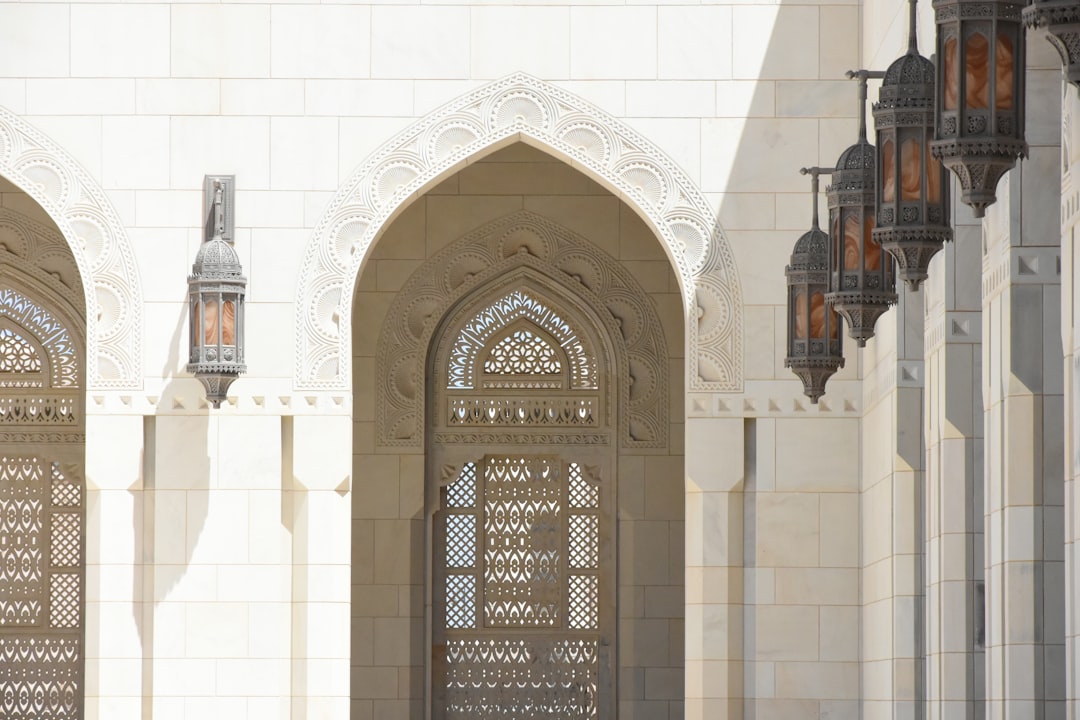

In the heart of Oman, where Islamic culture merges with the natural beauty of the landscape, majestic mosques rise, serving as places of worship and gathering for the Muslim community. These buildings are not just spaces for worship, but also symbols of a rich cultural and architectural heritage that tells the story of a people.

The mosques, also known as masjid, represent an essential landmark for Muslims, where spirituality intertwines with daily life. Their architecture, ranging from simple structures to elaborate buildings, is characterized by distinctive elements such as minarets and ornamental niches. These sacred spaces, located in various cities of Oman, offer a unique glimpse into the local culture and traditions.
Historical and Cultural Context

The mosques in Oman have a long history dating back to the early days of Islam. Originally, these structures were simple places of prayer, often outdoors, which evolved over time into more complex and decorated buildings. During the period of development of Islamic architecture, between 650 and 750 AD, mosques gained increasing importance, becoming centers of community life and religious teaching.
The design of mosques is intrinsically linked to religious practice. Each mosque is oriented towards Mecca, with a mihrab indicating the direction of the qibla, and often features separate spaces for men and women. These architectural aspects not only facilitate prayer but also reflect the social and cultural norms of the community. The beauty and symmetry of mosques invite reflection and spirituality.

What Strikes About the Place
Visiting a mosque in Oman presents an extraordinary visual and sensory experience. The intricate decorations, colorful mosaics, and architectural details capture attention and invite exploration of every corner. Mosques are often surrounded by lush gardens that provide a fascinating contrast to the main structure, creating an atmosphere of peace and serenity.
Another striking aspect is the community's hospitality. Visitors are often invited to explore these sacred spaces, provided they respect local customs. The atmosphere inside a mosque is one of deep tranquility, where silence is only interrupted by the whisper of prayers and the call of the muezzin announcing prayer time.
Visiting Experience
A visit to a mosque is an opportunity to immerse oneself in the local culture and gain a better understanding of Islamic traditions. It is important to dress appropriately, with modestly covering clothing, and to follow the rules of conduct within the place of worship. Many mosques offer guided tours that explain the history and architecture of the building, providing valuable context for visitors.
During the visit, one can witness moments of prayer and reflection, offering an authentic and touching experience. Mosques are not only places of worship but also centers of learning and socialization, where cultural events and community activities take place.


